


No Other Choice: Killing for the Family at the Age of Obsolescence
With the theme of unemployment, it presents a family fantasy anecdote rather the a comment on social problems.
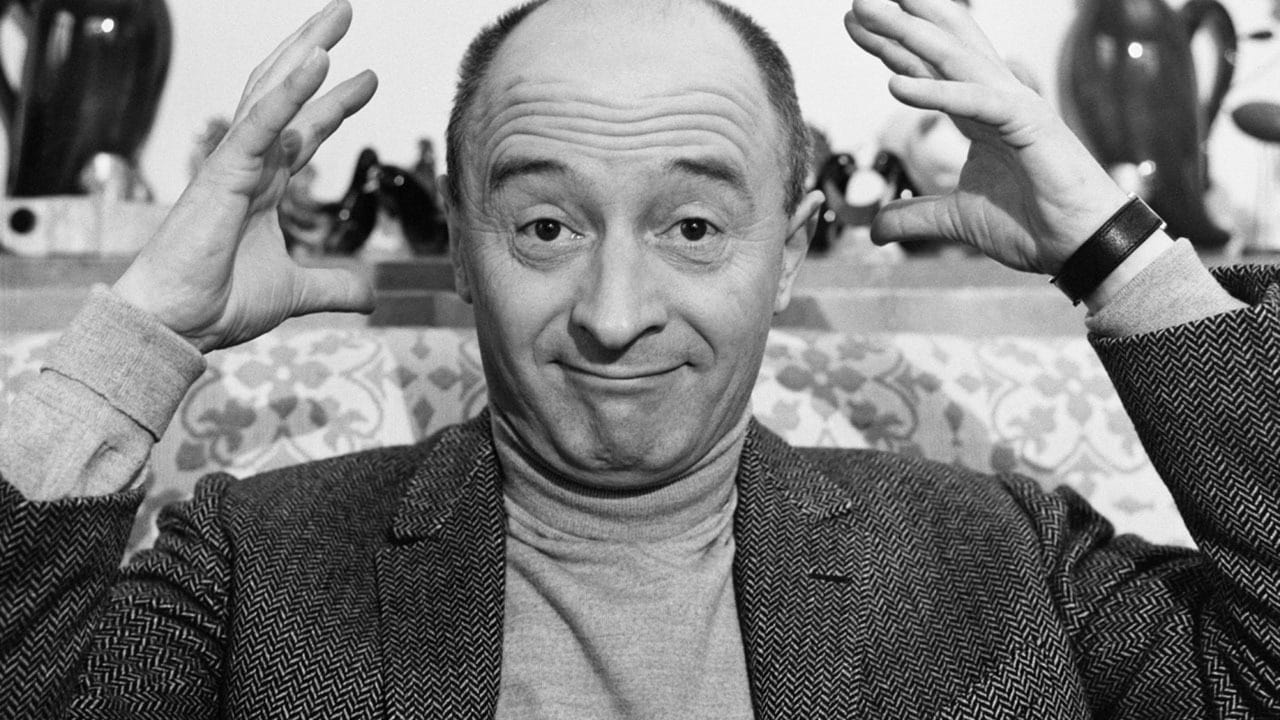
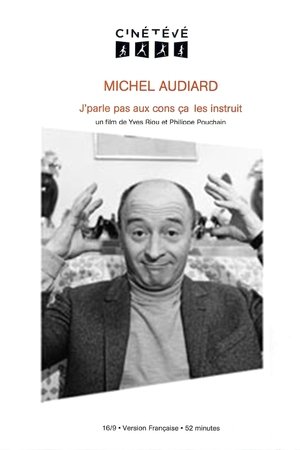


With his popular culture, prolific imagination, and verbal alchemy, Michel Audiard revolutionized cinema in the 1950s and 1960s. Alongside his mentor and friend Jean Gabin, his writing partner Albert Simonin, and his favorite actors Bernard Blier, Lino Ventura, and Michel Serrault, we find his verve and innate sense of repartee, which alone reflect the spirit of the French people and language. From elegance to cheekiness, cynicism to tenderness, he made words speak like no one else. Between the expressions he stole from bar counters to refine them and his encyclopedic knowledge of French culture, he created a unique style and ranks alongside Prévert and Jeanson as one of the greatest dialogue writers in French cinema.
With the theme of unemployment, it presents a family fantasy anecdote rather the a comment on social problems.
Cartoon Saloon is an animation studio that should be appreciated more. They tell unique stories with unique animation, proving that 2D animation is still alive and well.
Malignant is a roller coaster ride of slow-build scares, moments of wonderfully absurd camp, and explorations of autonomy.
This horror, action, and fantasy movie released on Disney+ has a symbolic aspect.
The live-action remake of the classic Disney film based on a wooden puppet is finally here.
It's chock full of dream-come-true moments for Spidey fans, but its lack of substance reeks of a self-indulgence that is rare even in fan fiction