
Transgender Representation in “Pose”:Season 1
Pose tells stories of queer joy and love in a time of intense hate and sadness.
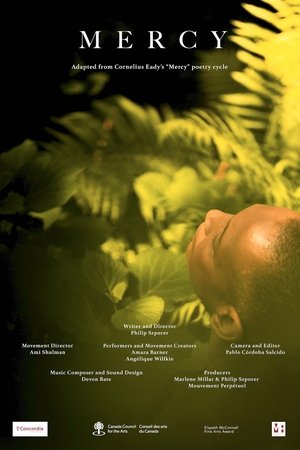


Based on the poetry cycle of the esteemed African-American poet Cornelius Eady, the film is inspired by the work of Phillis Wheatley, the first published black poet in the US. “Mercy” aims to weave Wheatley's poetry and imagery, which focuses on the complication of the slave learning their captor's language, with gesture, movement and voice into an intricate meditation on black womanhood.
Pose tells stories of queer joy and love in a time of intense hate and sadness.
The Mandolorian has a more nuanced and commentative take on masculinity that refrains from praising the toxic traits associated with the social category, while also showing a more positive and transformative representation of masculine characters.
A young boy who runs away from home discovers friendship when he befriends a young dragon in this animated movie.
In order to learn why an arguably outdated fanfic trope was resurfacing in the contact zone of popular culture, I dove into a vibrant trough of character development.
Throughout Brendan Fraser’s career, he has played a plethora of unique, layered characters who explore the importance of not being afraid to display your emotions, something that is often seen to not be a masculine trait. This idea of regulating emotion and what traits men are able to possess creates a toxic atmosphere for men who are often told they should not cry or represent their emotions in any physical way. These characters represent that men can be joyful, emotionally conscious, and sensitive, while also representing their masculine identity instead of painting those qualities as fighting against their masculinity.
Growing up is a challenge for everyone.