







Taylor Swift: Reputation Stadium Tour
Taylor Swift dazzles many fans with remixes of her country and pop singles in her Reputation Stadium concert tour, becoming a successful concert film.

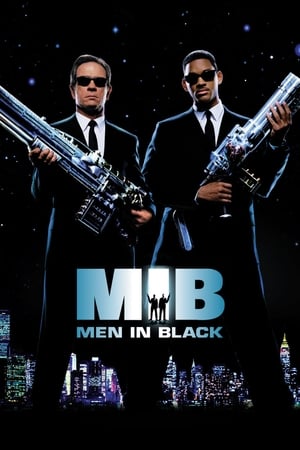



After a police chase with an otherworldly being, a New York City cop is recruited as an agent in a top-secret organization established to monitor and police alien activity on Earth: the Men in Black. Agent K and new recruit Agent J find themselves in the middle of a deadly plot by an intergalactic terrorist who has arrived on Earth to assassinate two ambassadors from opposing galaxies.
Taylor Swift dazzles many fans with remixes of her country and pop singles in her Reputation Stadium concert tour, becoming a successful concert film.
'Call Me Kate' is for the fans. It's an intimate account of an iconic film star.
If Top Gun needed to say it, Top Gun: Maverick makes you feel the need... the need for speed.
The heroes of the Mushroom Kingdom make their way to the big screen in this animated movie.
Netflix takes some liberties in its portrayal of Madame CJ Walker, a trailblazing Black entrepreneur.
Seven years after George Miller's previous film, 'Mad Max: Fury Road', he dives back into the scene with an equally daring movie. Although not nearly as action-packed, his newest film 'Three Thousand Years Of Longing' challenges the typical format of a film, giving you a well-known plot in an unexpected way.