









A Colorful Revision of "Clifford the Big Red Dog"
"Clifford the Big Red Dog" retells the adventures of Emily and her striking puppy to highlight the joy of being different and inspire another wave of young fans.
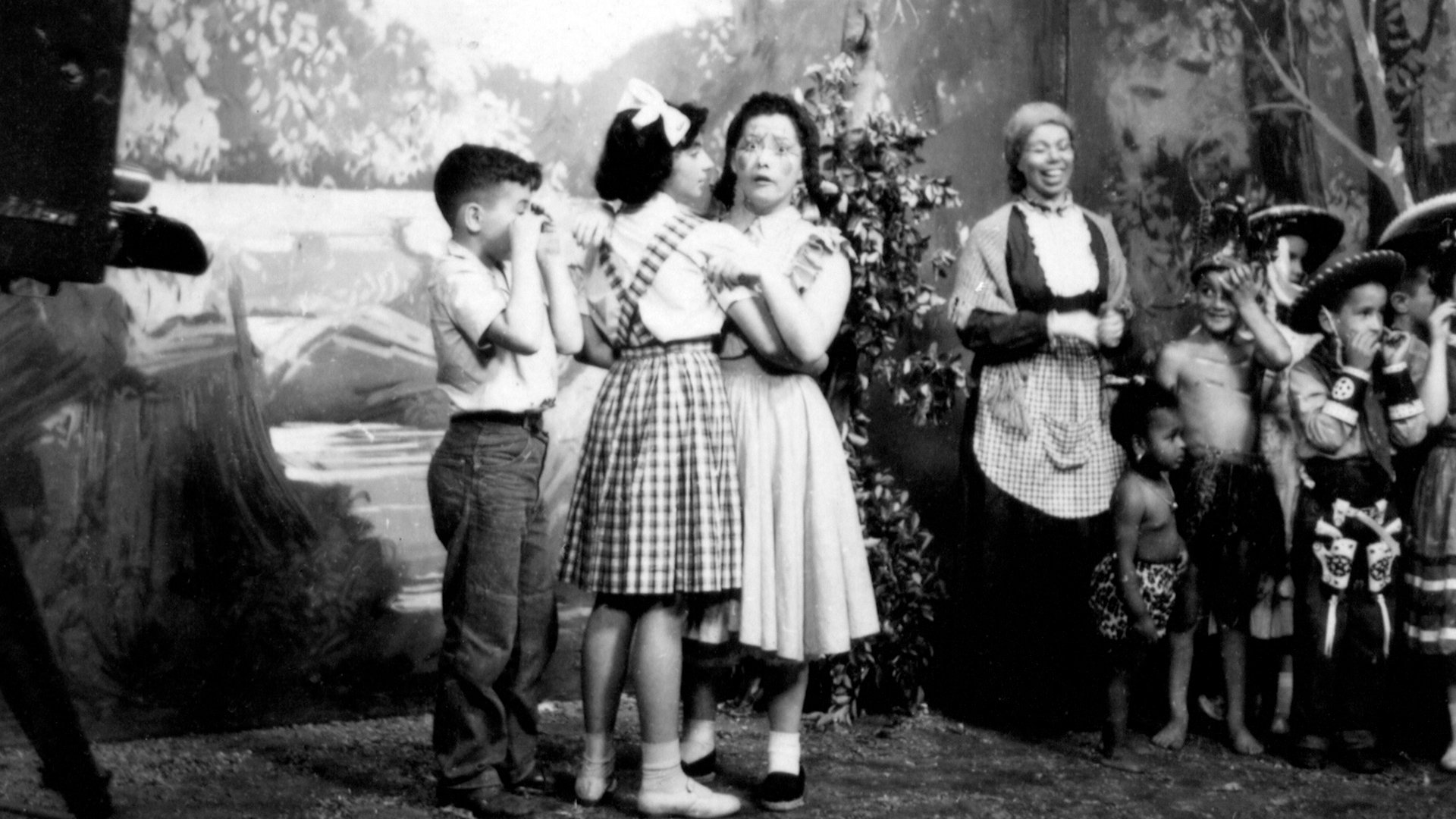



In 1952, TV Tupi, Brazil's first television channel, invited psychiatrist Júlio Gouveia and his wife, Russian writer Tatiana Belinky, to develop the network’s children's programming. The couple then asked the sons and daughters of their friends to join the cast of the newly created shows, the most prominent of which was Sítio do Picapau Amarelo. And so, Antonio Silvio, Lia, Lídia, Sérgio, and David José embarked on an unexpected journey that would come to shape the future of Brazilian television. Memories of the Sítio is a trip through the personal recollections of these actors and the story of the first television adaptation of Monteiro Lobato’s work.
"Clifford the Big Red Dog" retells the adventures of Emily and her striking puppy to highlight the joy of being different and inspire another wave of young fans.
Hours before their line-up of screenings for Trans Awareness Week began, the filmmakers of 'When Men Were Men' chatted with me about the film's personal exploration of masculinity.
In episode 4 of 'Hawkeye,' things are getting real, from a mystery surrounding a Rolex watch to hints at a certain "big guy" to the reveal of [SPOILER].
When they’re young, they’re America’s darlings but, when they become teens and adolescents, they’re instantly perceived as harbingers of immorality. They’re Lindsay Lohan, Macaulay Culkin, Justin Bieber, and Britney Spears. But, despite what many media outlets, politicians, and the general public may think, they are human beings above anything else. The new Billie Eilish documentary, Billie Eilish: The World’s A Little Blurry, proves this — showing the trials, tribulations, and humanity when growing up with all the world’s eyes on you.
By undermining the appeal and credibility of black characters, the show compromises the very idea of diversity and representation it sets to promote.
... La huesera haunts her daily life, leaving people to question her viability as a mother, and Valeria’s lack of satisfaction with her life leave her asking similar questions. These misgivings reach their peak after the baby is born, when Valeria, visibly in a state akin to possession, locks her in the fridge when she won’t stop crying through the night