
We Don’t Need Another Hero: The Bonkers Post-Apocalypse of “Beyond Thunderdome”
Directed by George Miller, Thunderdome continues to follow the titular character through post-apocalyptic Australia.
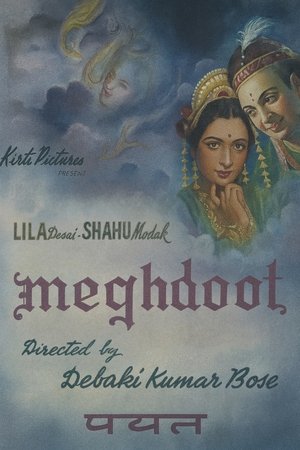


A mythological or fantasy drama inspired by Kalidasa's classic Sanskrit poem, featuring a lonely lover sending a cloud as a messenger to his beloved, exploring themes of separation, longing, and nature's role in conveying emotions
Directed by George Miller, Thunderdome continues to follow the titular character through post-apocalyptic Australia.
I am an Armenian who has a mild form of epilepsy. I rarely see Armenian culture and epilepsy properly portrayed in film or TV. I delve into the how and why.
The social issues The Half of it takes on are handled well, between the antagonization brought on to Ellie for her race and the conflict that arises from her being gay. Both aspects of her character are built up over the course of the film and don’t seem abrupt or rushed. The film shows racism towards Ellie and her and father in varying levels, from having her schoolmates specifically address her as "Chinese girl” to the fore mentioned way her Dad is treated due to language barriers. The same can be said about Ellie being a lesbian. While she never truly “comes out” in the narrative, that does not undermine her journey of self-discovery from being meaningful. These ideas aren’t thrust upon the viewer in a preachy manor, the scenarios that occur feel believable given the rural setting. The film presents watchers with problems whom those like Ellie may face, and leaves us to sit with them and reflect.
In Spike Lee’s She’s Gotta Have It (1986), we follow the love life of powerful female protagonist Nola Darling (Tracy Camilla Johns) and explore the relationship dynamics she has with her partners. She sees three men simultaneously: Greer Childs, (John Canada Terrell) Mars Blackmon (Spike Lee), and Jamie Overstreet (Tommy Redmond Hicks). Though an 80’s film, She’s Gotta Have It is surprisingly progressive with its themes of female sexuality, although at some points in the film it is handled clumsily. Overall Nola is an incredibly compelling character especially for modern women, as we as a society acknowledge female sensuality more and more without the negative stigma.
I have talked with founder of Red Nation Television Network, Joanelle Romero, and the future of Indigenous representation looks bright.
Disney has kept its word and allowed a new generation of Black and/or African storytellers to tell their own original stories. The question remains, will the public keep their word?