Me Rompiste el Corazón
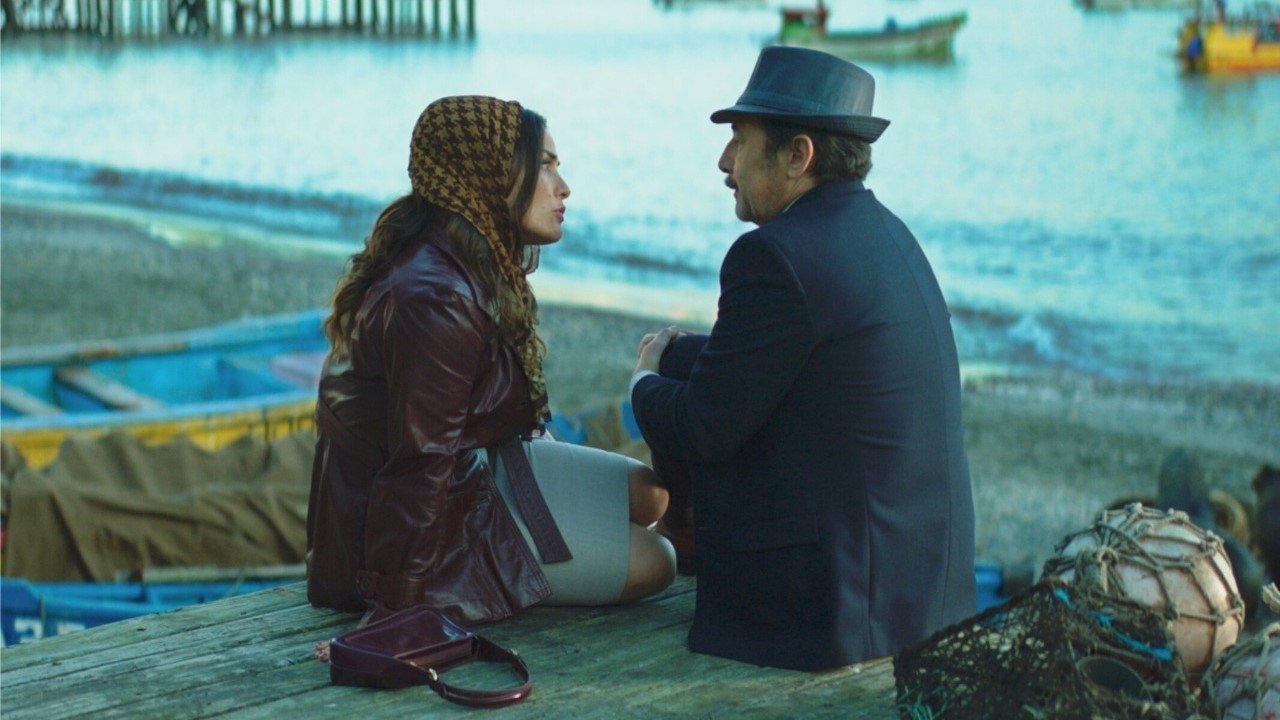
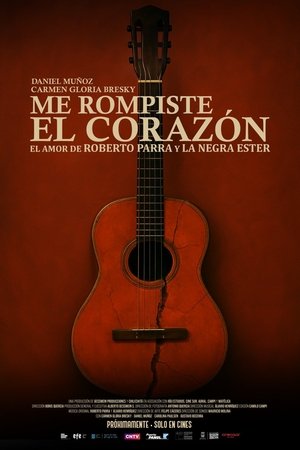
It tells the story of Roberto Parra Sandoval, creator of the cueca chora and chronicler of Buenos Aires' bohemian scene. A guide boy and stowaway on freight trains, he forges a life in the brothels and bars of Valparaíso and Santiago, bringing the music of the working-class neighborhoods to life. His world changes radically when he meets Negra Ester, a fascinating and contradictory woman who plunges him into a passionate and heartbreaking love. Together they will experience a story that beats to the rhythm of the cueca brava, amid laughter, hurt, and disappointment, in the heart of a marginal, luminous, and painful Chile.

- / 5
PopScore
Representation
Pictures and Videos

Movie Information
It tells the story of Roberto Parra Sandoval, creator of the cueca chora and chronicler of Buenos Aires' bohemian scene. A guide boy and stowaway on freight trains, he forges a life in the brothels and bars of Valparaíso and Santiago, bringing the music of the working-class neighborhoods to life. His world changes radically when he meets Negra Ester, a fascinating and contradictory woman who plunges him into a passionate and heartbreaking love. Together they will experience a story that beats to the rhythm of the cueca brava, amid laughter, hurt, and disappointment, in the heart of a marginal, luminous, and painful Chile.
Rating:
Genre:Drama, Romance, Music
Written By:
In Theaters:
Box Office:
Runtime:97 minutes
Studio:Alberto Gesswein Producciones







Articles You May Like
The Moms in 'Anything's Possible' Make Almost Anything Seem Possible
The film's Incluvie rating is off the charts. It features Black, Muslim, queer, trans humans whose moms hold them up, fight for them, and love them for who they are...making anything possible.
KPop Demon Hunters—A Battle of Heart and Soul
KPop Demon Hunters took social media by storm recently—is it truly as good as people have hyped it up to be?
8 Inclusive Christmas Movies You Need to Add to Your Watchlist
Although Christmas is a time of year for love and cheer for all, holiday cinema has not always represented diverse communities. Being a holiday with Christian origins, much of its media consists of straight white families or straight white romances. Luckily, modern years have been bringing with them plenty of POC and LGBTQ+ representation that the holidays so desperately need.
'Eve's Bayou' Brings Post-Memory Towards West-Indian Culture
In an all-black community in Louisiana, a young girl learns her father has committed infidelity and turns to hoodoo to seek justice.
Sand Storm: A Look Into Bedouin Culture and the Pressure Women Feel to Keep Tradition Alive
This 2016 winner of an Ophir Award for Best Film focuses on the forbidden romance of a young, Bedouin woman and the ramifications it has for her family, her identity, and her culture.