
Kate Called the Shots in 'Call Me Kate'
'Call Me Kate' is for the fans. It's an intimate account of an iconic film star.
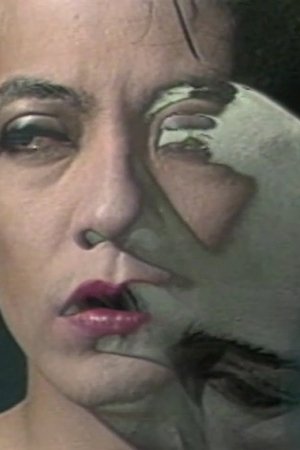


Artifice and reality, identity and disguise, representation and transformation are woven through a powerful pastiche of theatrical performance, mass cultural appropriation and fragmented narrative. Deconstructing an episode of TV's Miami Vice that features crude representations of Latino drug dealers, Labat constructs a multilayered psychological drama of converging realities. In a studio (the space between "cut" and "action"), artists Tony Oursler and Winston Tong provide commentary. Playing out a tragic drama with dolls, Tong also tapes his eyelids down and applies make-up, transforming himself from Asian to Caucasian, male to female. In a final confrontation of identity, Tong steps through the enlarged television image, devoid of masks or make-up.
'Call Me Kate' is for the fans. It's an intimate account of an iconic film star.
'Riders of Justice' perfectly depicts some masculinity problems present in our society. Moreover, it talks about how hard is to lose someone and how different people deal with the situation.
"Warrior" is a Bruce Lee written and inspired story that follows a diverse cast of Chinese American characters and does a terrific job of setting the story in 1878 San Francisco - all without pulling their punches with the systemic racism, discrimination, and struggle for power that old and young immigrants that crossed the country at that time had to go through.
Rather than following in the footsteps of poorly made horror flicks, “The Quiet Place” follows original concept.
Suppressed intergenerational family trauma and healing, warm welcome to the Marvel Cinematic Universe team, and Awkwafina's humor really make this film the real MVP.
When long-time couple Jenny and Nate break up so Jenny can pursue her journalism career, Jenny leans on her two best friends for one last epic night in the city.