Trans Representation Through Disney’s 'Mulan'
Mulan had to struggle to feel like herself and see herself properly. Some of us have to strive to have our reflection mimic what’s inside. We have to crawl. We have to fight.
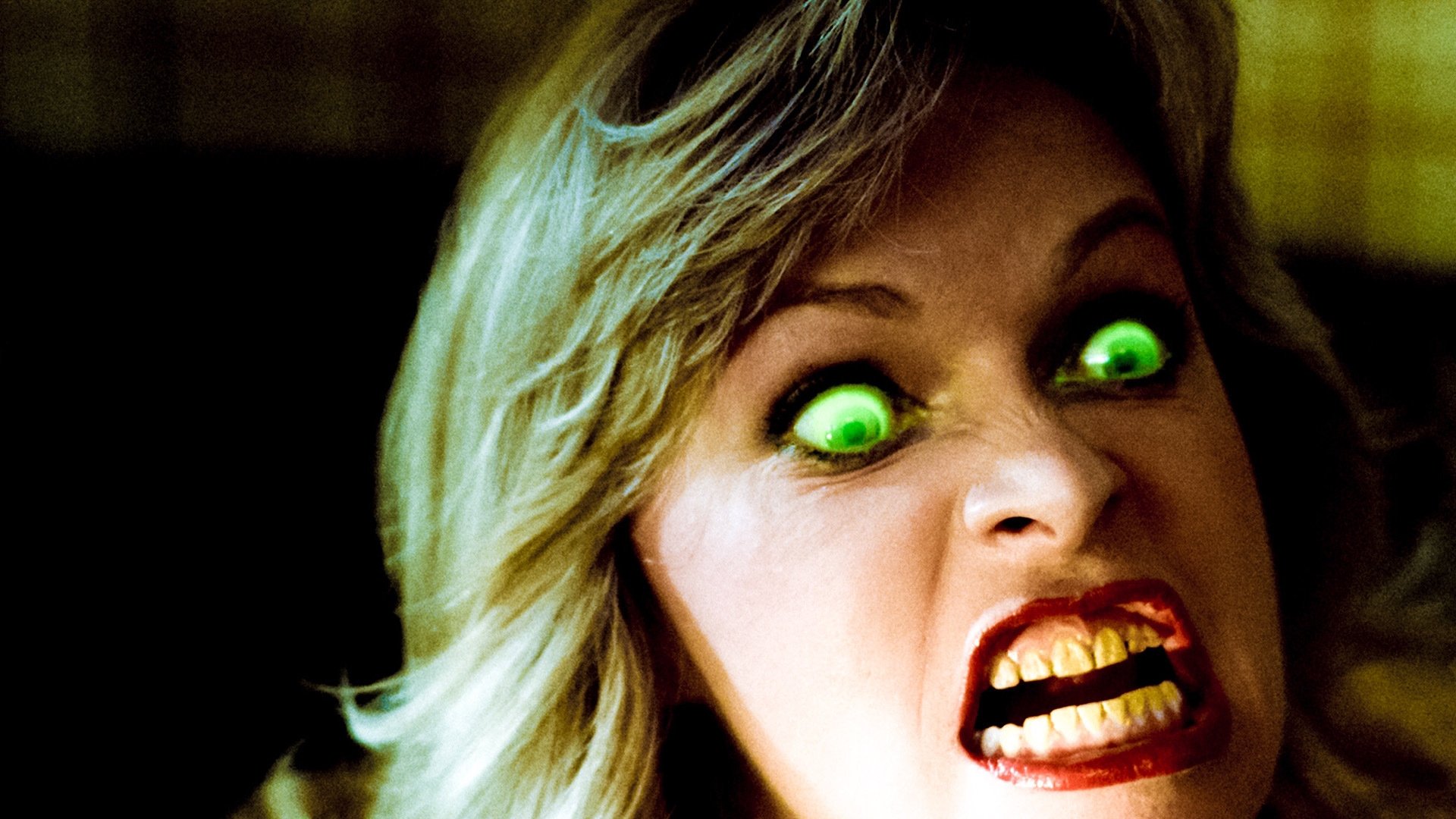
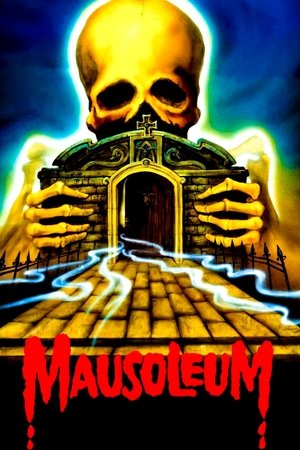


By way of an unnatural urge during her Mother's funeral, Susan enters her family's mausoleum, which unleashes an evil presence to lurk inside of her.

Michael Dugan
Director
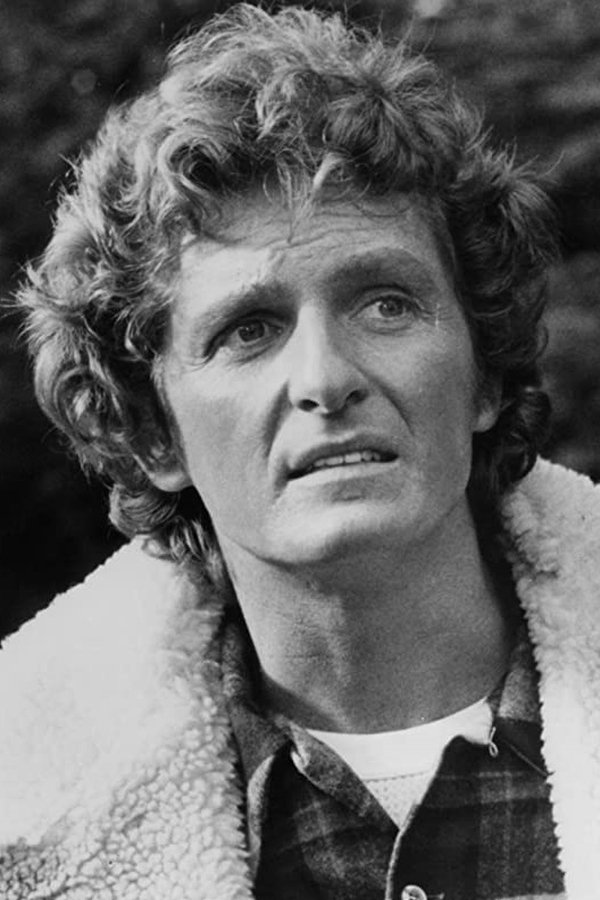
Marjoe Gortner
Oliver Farrell
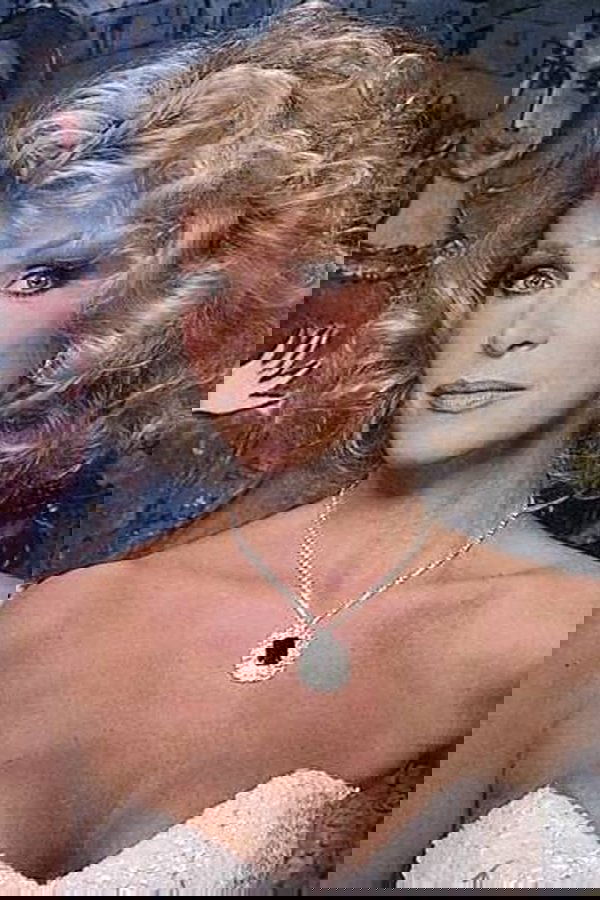
Bobbie Bresee
Susan Walker Farrell
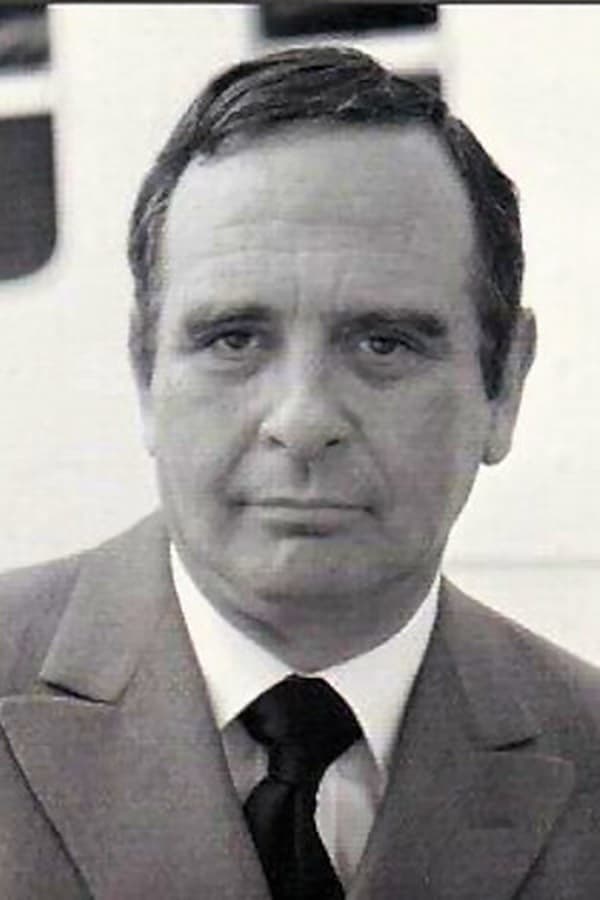
Norman Burton
Dr. Simon Andrews
Maurice Sherbanee
Ben, the gardener
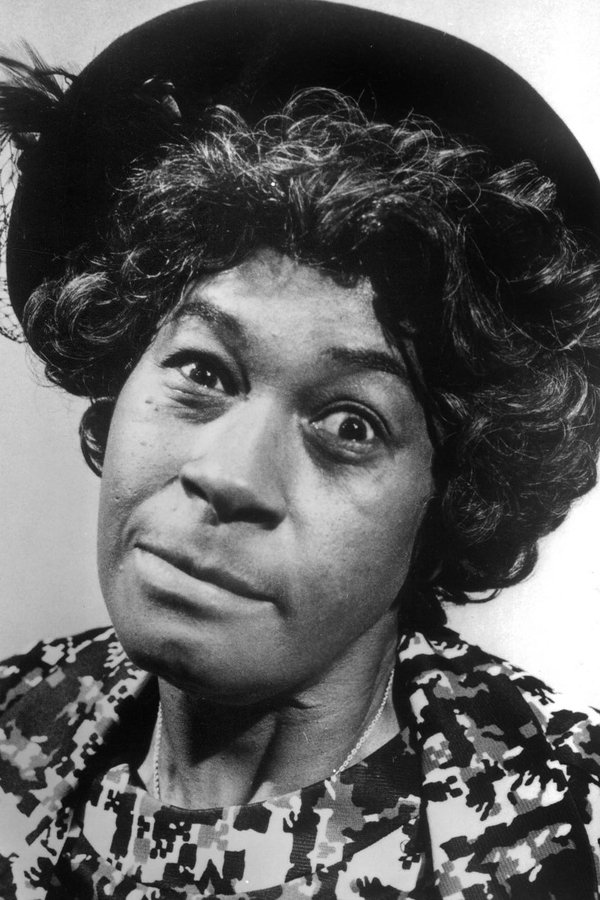
LaWanda Page
Elsie

Laura Hippe
Cora Nomed
Sheri Mann
Dr. Roni Logan
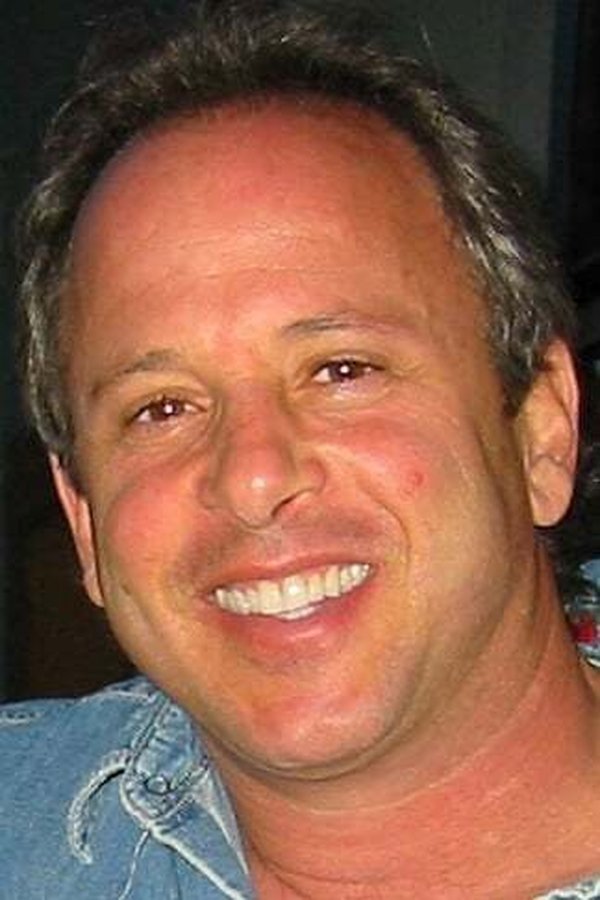
Joel Kramer
Tramp in Mausoleum

Chu Chu Malave
Delivery Boy
Julie Christy Murray
Young Susan
Ron Cannon
Gallery Owner
Mulan had to struggle to feel like herself and see herself properly. Some of us have to strive to have our reflection mimic what’s inside. We have to crawl. We have to fight.
The French-born director Laure de Clermont-Tonnerre’s strategic choice to entrust the interpretation of a conventional, feminine character to a non-binary actor pays off: Corrin’s Lady Chatterley is awkward, edgy, and uninhibited at the same time.
The film blends reality and the supernatural world together, leaving the viewer unsure of what’s real and what’s merely a figment of Michael’s agitated imagination.
After We Collided is a sequel to last year’s After, which itself was based on Anna Todd’s 2014 novel of the same name, and which was originally published as a Harry Styles-centric fan-fiction on WattPad (a similar path as E.L. James’ Fifty Shades of Grey series).
Malignant is a roller coaster ride of slow-build scares, moments of wonderfully absurd camp, and explorations of autonomy.
We have a long way to go with LGBT representation in film, especially when it comes to LGBT characters of color and trans characters.