Searching for Identity in Iñárritu’s Bardo
The director's latest is a dreamlike exploration of a consciousness torn between two homelands, and the implications of history and memory suspended in limbo.




At late 19th Century, the Argentinean Pampa is changing. Martin Fierro is a renegade that fights against the power and corruption that try to subordinate him and to take away his most precious value: freedom. With his strength and courage, Martin Fierro represents the fight for justice. Based on the most important book of Argentinean Literature, "The Gaucho Martin Fierro", the film intends to rescue the current value of the story and the epic character of Martín Fierro for an audience mainly young, especially students and families.

Liliana Romero, Norman Ruíz
Director


Daniel Fanego
Martin Fierro (voice)
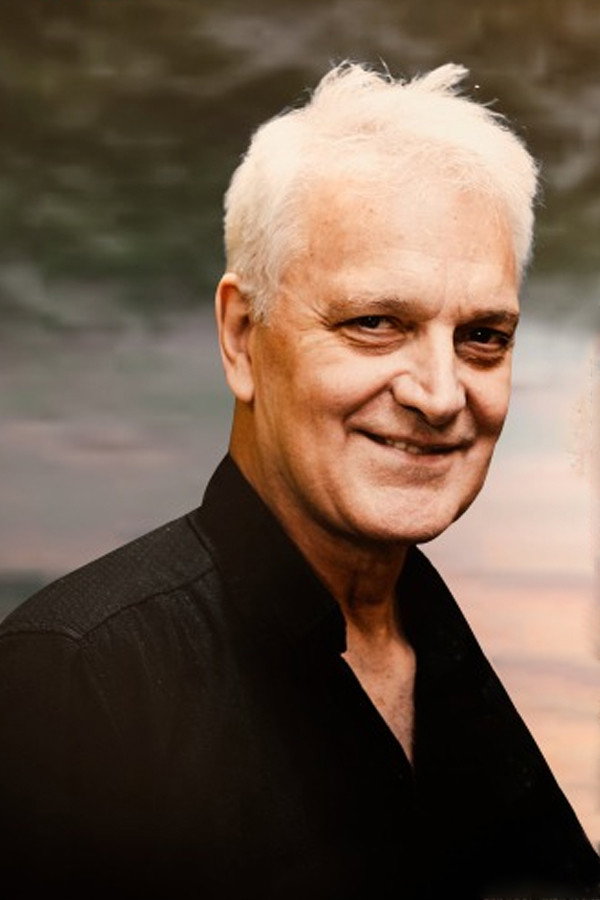
Héctor Calori
Coronel Machado (voice)

Juan Carlos Gené
Juez de Paz (voice)
Claudio Gallardou
Sergeant Benitez (voice)

Claudio Rissi
Sergeant Cruz (voice)

Roly Serrano
Gaucho Matrero (voice)

Gabriel Rovito
El Manco / Policia Robusto / Gemelo II / Hijo del cacique / Hijo de Fierro (voice)
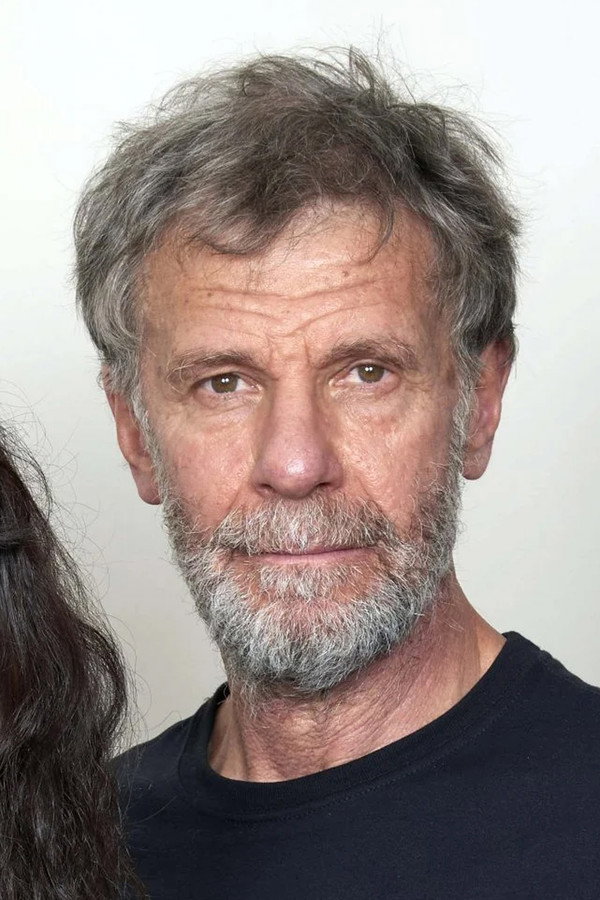
Claudio Da Passano
El Gringo / Gemelo I / Tiburcio / Carabinero / Vigía (voice)

César Bordón
El Borracho / El Negro / Policia Viejo / Gaucho truquero (voice)

Aldo Barbero
Don Ignacio (voice)
Cristina Fridman
Rosalinda / Pulpera / La Negra (voice)
The director's latest is a dreamlike exploration of a consciousness torn between two homelands, and the implications of history and memory suspended in limbo.
At its heart, it’s a fond tribute to an influential artist and thus one that can speak to everyone’s inner artist, even if it lacks the sincere commentary you may wish to see.
KIMI is the main character of this film and as much as I wish it was Angela Childs played by Zoe Kravitz, it isn't. KIMI is a smart device that works not unlike Amazon's Alexa and Google's Nest assisting in anything from home purchases to music playing all under the guise of only activating when in use.
It only seems to prove that when the company had their backs against the wall and needed an all pleasing, generic movie that had to make up for The Last Jedi, they chose to sacrifice almost everything that made their main protagonist interesting and that made her stand out as the strong female character that a generation of young movie goers was supposed to look up to. Instead, we were left with a Rey that was so much less than she could have been. And I guess that’s the real story of Rey and The Rise of Skywalker; they could have been so much more, but they were just more of the same.
One of the reasons that people with albinism have a difficult time being seen and represented in media is probably because there is a small percentage of them.
"WHAT ARE YOU WILLING TO SACRIFICE?!!!!" "EVERYTHING!!!!!" This is but one of a multitude of highly emphatic questions, and subsequent answers, being asked in the newest feature film from one of the current masters of horror, Jordan Peele ("Get Out", "Us" and "Nope"). I must give Peele credit in that he continues to push the boundaries of specific genres and their associated tropes in order to provide what ends up amounting to subtly then jarringly intense, yet still character and story-driven, cinema that speaks more to indie stylings than mainstream.