



Sick or Evil or Both: “My Friend Dahmer” and the Coverage of White Killers
This HBO mini-series asks why a young white man turned to violence and finds no easy answers. But why do we only ask questions about certain kinds of killers?
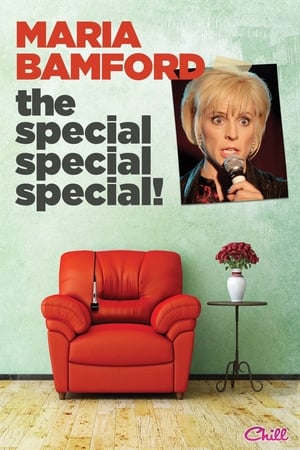


Welcome to the special special special comedy special. It's very good. I love comedy. And who do I want to make laugh more than Marilyn and Joel Bamford, my parents? So, we've cut out the middle man of 200 strangers in a tv studio and gone right to the source. With some paid audiences, the feigned enthusiasm can be a little uncomfortable to watch, but I genuinely rock the house. My parents only wish they could be there with you when you watch this with your parents.
This HBO mini-series asks why a young white man turned to violence and finds no easy answers. But why do we only ask questions about certain kinds of killers?
When diverse representation is featured on-screen, it oftentimes comes with strings attached that undermine the message they were trying to send. This can be attributed to the fact that behind-the-screen, the industry primarily does not reflect the breadth of diverse difference that is present in daily life. That’s why when something as powerful and authentic as Minari comes along, it is both incredibly wonderful and needs a large audience to witness it.
'Selena: The Series' loses sight of the story's heart: Selena herself.
By undermining the appeal and credibility of black characters, the show compromises the very idea of diversity and representation it sets to promote.
I am shocked and upset to report that the movie about a female car mechanic who meets the love of her life online featuring Katy O’Brien does not, in fact, have a lesbian storyline.
Street Fighter cannot be genuinely recommended, even if it is abundantly clear that much effort was expended.