



Hitchcock's Subtextual Coding in 'Rope'
Hitchcock is no stranger to innuendo, as was common in that era, but there was something so sophisticated about his approach to 'Rope', and it starts in the first frame.

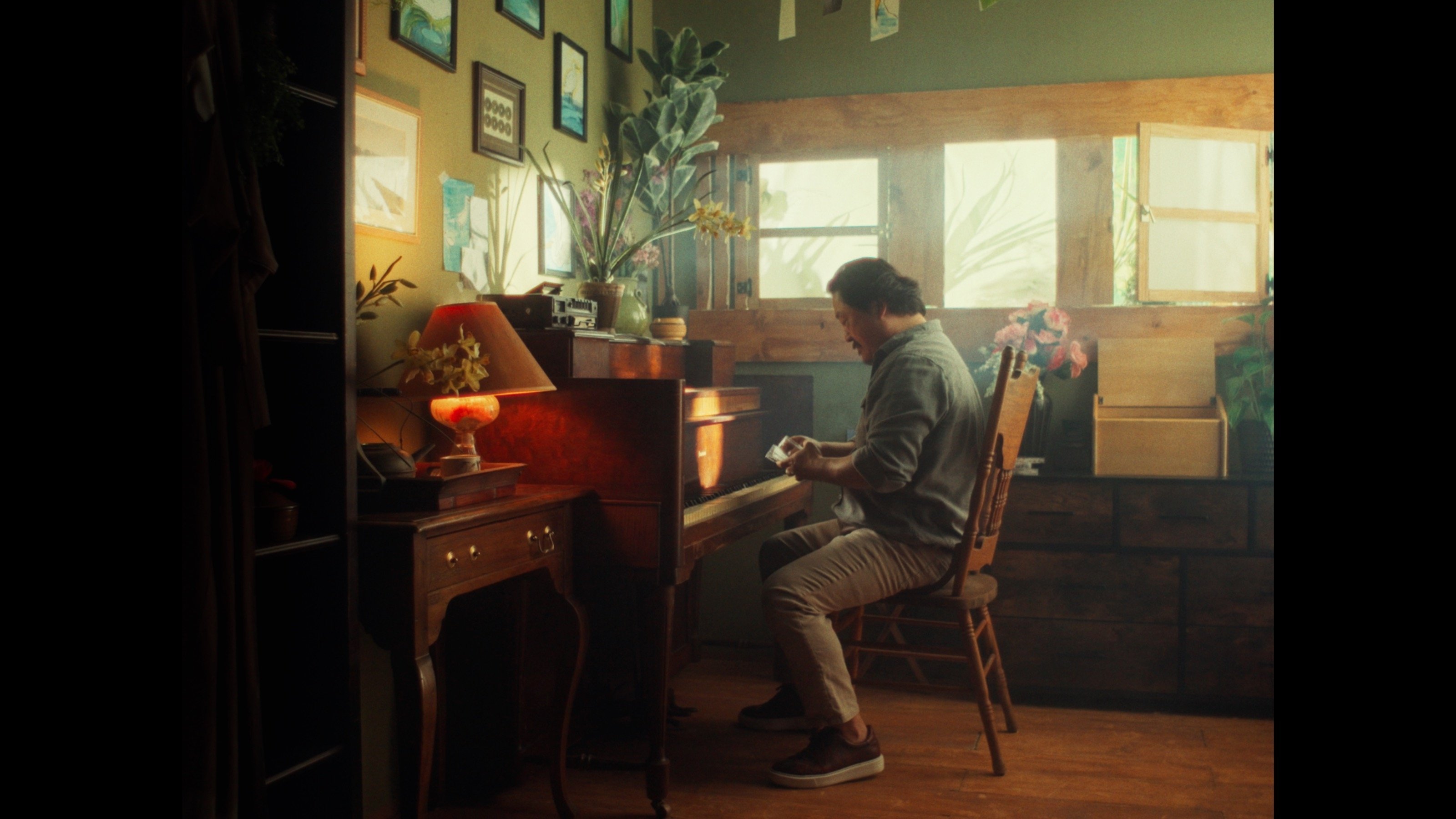
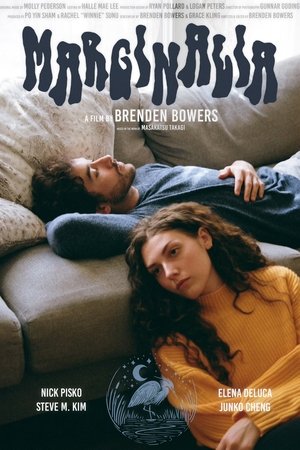
Two stories being told parallel with each other, a couple's relationship falls apart over clear differences, while a Japanese musician loses his life due to mental health struggles.
Hitchcock is no stranger to innuendo, as was common in that era, but there was something so sophisticated about his approach to 'Rope', and it starts in the first frame.
This coming-of-age movie based on the 1970 book by Judy Blume gives viewers a scope on female topics in the quest for a religious identity.
In Tall Girl, Jodi learns to stand tall and find confidence within.
“And I think to myself….what a wonderful world”. Louis Armstrong sang about this notion via his classic 1967 song, an ode to witnessing elements of our life that should be but some reminders of exactly what that concluding line of each verse indicates. Now we see our contemporary realities and, just being honest, it makes a sentiment like this seem SO overtly far away….perhaps even impossible….to accept or believe could be. It sounds harsh, but again, so much of what is occurring speaks not to beauty, but bedlam.
Ben Affleck leads The Way Back, a seemingly cathartic film for him after the actor’s recent bouts with alcoholism and rehab. He plays Jack, a man fighting his own battles who happens upon coaching a boys’ basketball team, the same team he once played for back in high school.
The film is a simple love story reminiscent of stories like The Notebook released in 2004. Sylvie and Robert are rarely actually together in the film, however; time and circumstance keep them away from each other, and the audience waits with bated breath to see them find one another over and over.