The Heroes of "Hustlers"
"Hustlers" returns power to groups that are traditionally deprived of it: women, the working class, and sex workers.
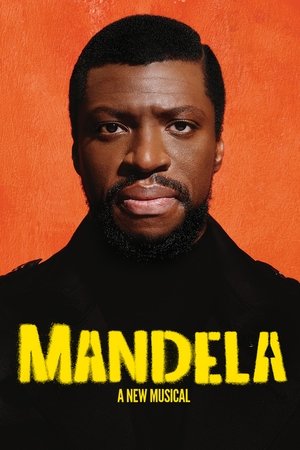


It's 1960. Young activist, Nelson Mandela, rallies the people of South Africa to protest against the racial segregation of apartheid. In 1962 he is arrested and sentenced to life in prison, where he will spend the next 27 years, taken from his wife and children, as the fight for freedom sweeps his country. Infused with the rhythms of South Africa, this soaring new musical tells the extraordinary story of a man who changed the course of modern history—the sacrifices he made as a husband and father, and the global movement that inspired him and his comrades to keep fighting.

Schele Williams
Director

Michael Luwoye
Nelson Mandela

Danielle Fiamanya
Winnie Mandela
Gregory Armand
Vusi
Zion Battles
Bongani
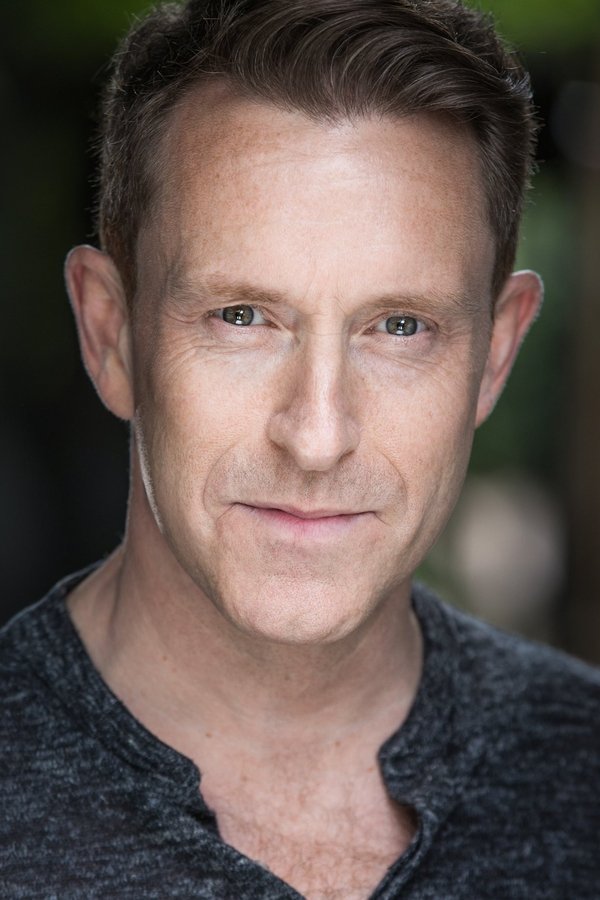
Earl Carpenter
Prime Minister
Stewart Clarke
Warden
Hanna Dimtsu
Nomsa
Lerato Gwebu
Adelaide Tambo / Evelyn Mase
Prudence Jezile
Praise Singer
Akmed Junior Khemalai
Walter Sisulu

Blue Makwana
Gugu
"Hustlers" returns power to groups that are traditionally deprived of it: women, the working class, and sex workers.
We all have our kinks and fetishes and what turns us on the most. Dog Lover details a serious (and at times unhealthy) look at a fetish that might go a little too far.
There’s enough evidence to insinuate that What We Do in the Shadows is intentionally queer-coded.
Diversity is incorporated in a way that only aids in a well-rounded conveying of stories through different lenses. The show’s success is a testament to what audiences are craving: authentic stories that broaden the mind and heart.
The differences in these films could not be more blatant, and yet Gus Van Sant has found a way to portray the same messages and use the same techniques in each.
“Synchronic” is special, but it doesn’t succeed in achieving all the objectives it aims for. The film is a science fiction oeuvre which tries to be cerebral at some points, although the original idea is interesting, it only accomplishes to talk about some serious matters superficially.