Thunder Force Fails to Bring the Thunder
Thunder Force brings much-needed diversity to the superhero genre. Unfortunately, it's also an uninteresting and unfunny mess.

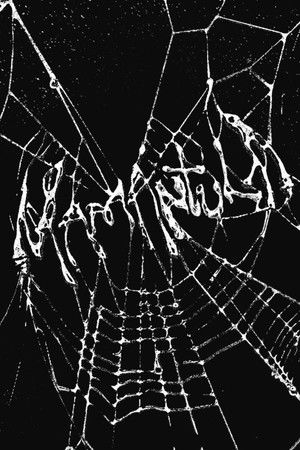


Mamántula is the boy everyone wants, but also a giant spider transvesting as a human, fruit of a brief encounter in the Berlin Tiergarten, in an alternate past of brutalist saunas, endless subway corridors and detectives with raincoats and hats. Each of Mamántula's lovers are a new victim of his insatiable appetite for revenge and sperm; and each victim, one more thread of the web with which he intends to apprehend the entire planet. Will Golden Dick be able to stop him? Will a couple of lovebirds with police badges get him? Or will the gay community have to step in and take the law into their own hands?
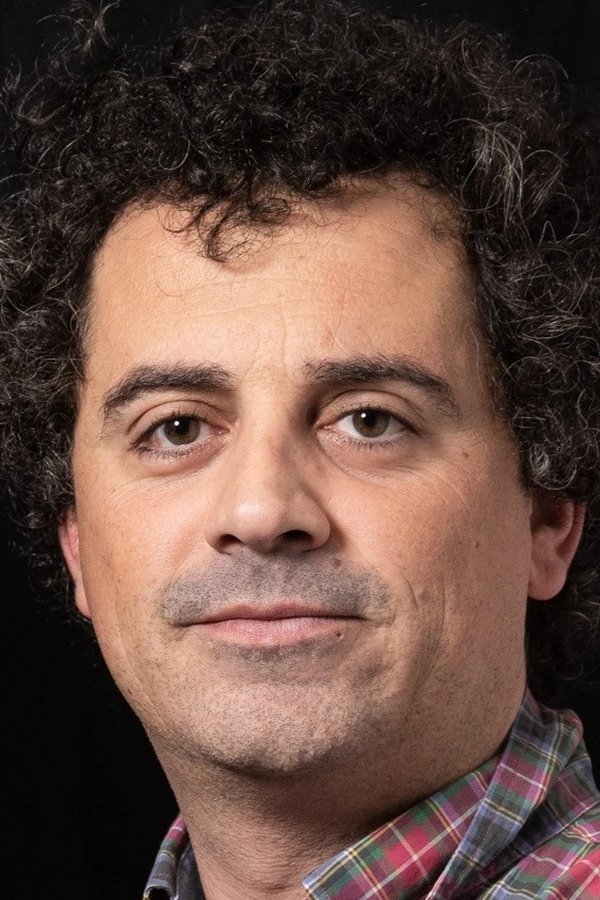
Ion de Sosa
Director


Lorena Iglesias
Detective Lorena
Moisés Richart
Mamántula
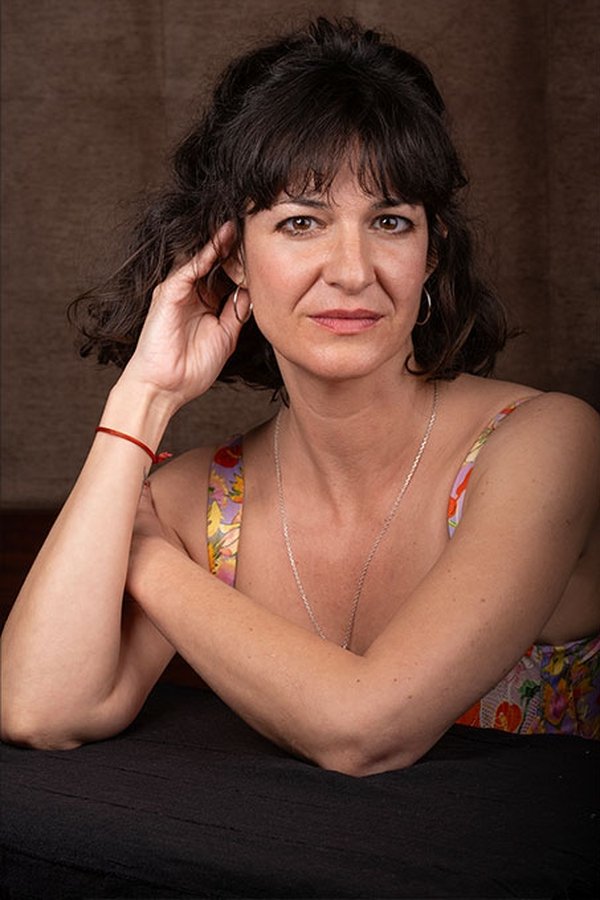
Marta Bassols
Detective Marta
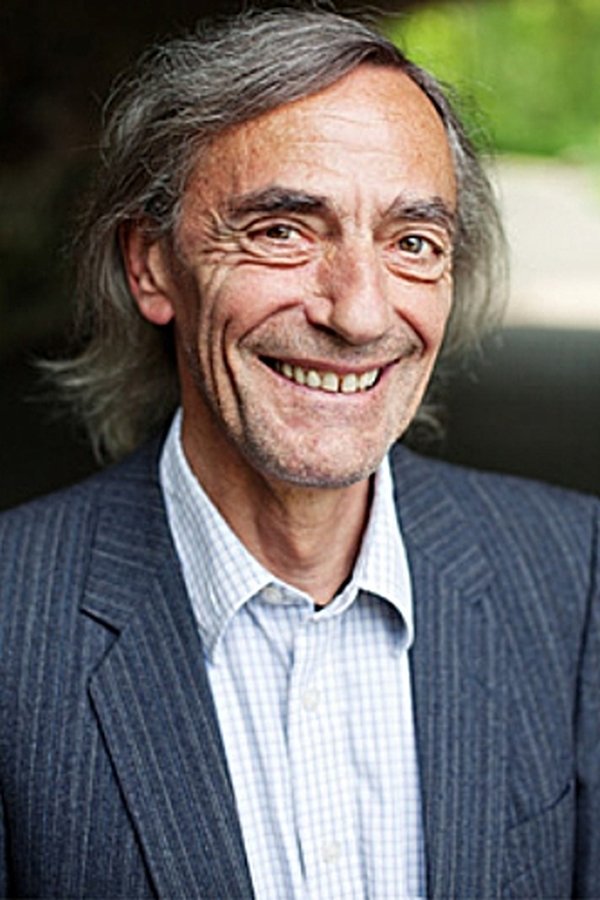
Adolfo Assor
Spider Specialist
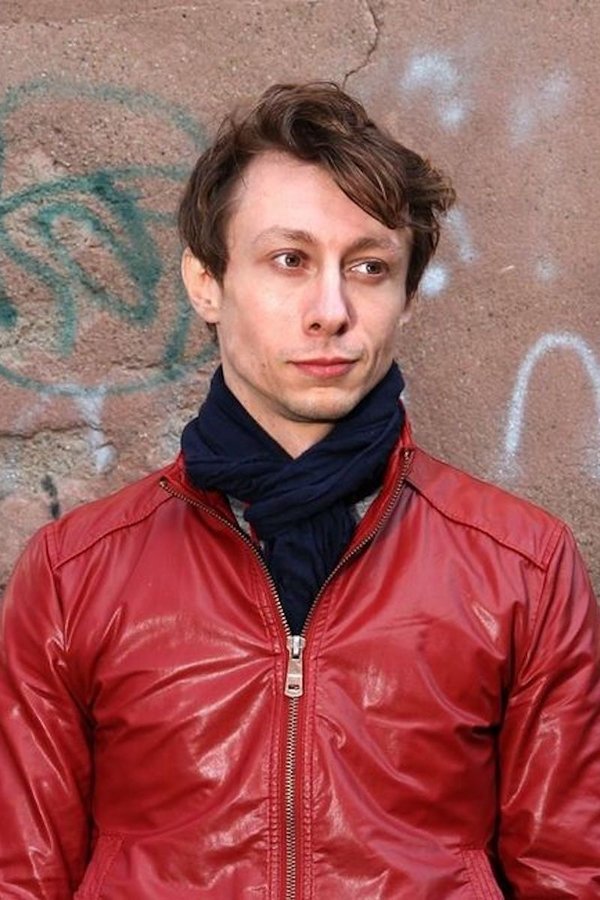
Marcio Reolon
Mamántula's Boyfriend
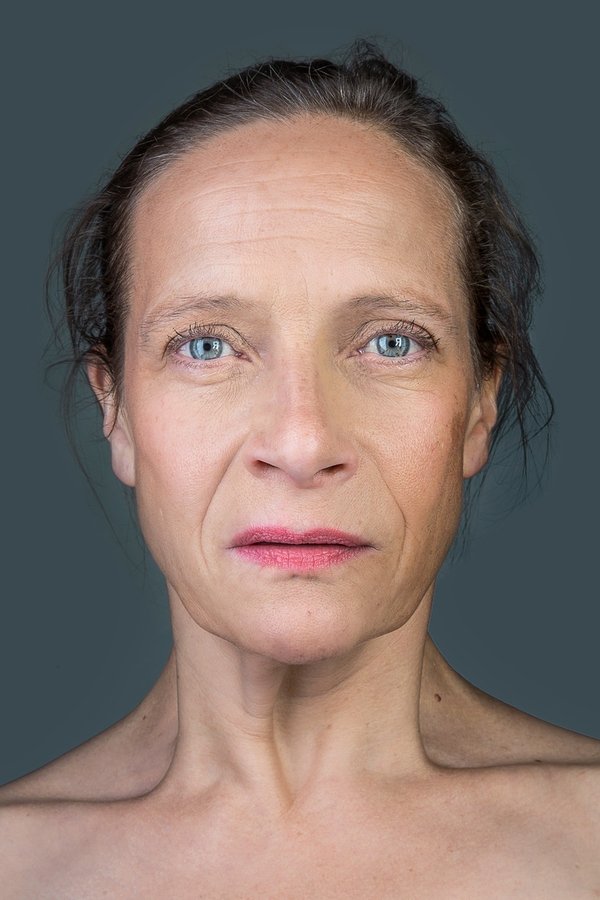
Kate Strong
Forense
Rhys Williams
Disco Boy
Karl Håkansson
Intro and Witness
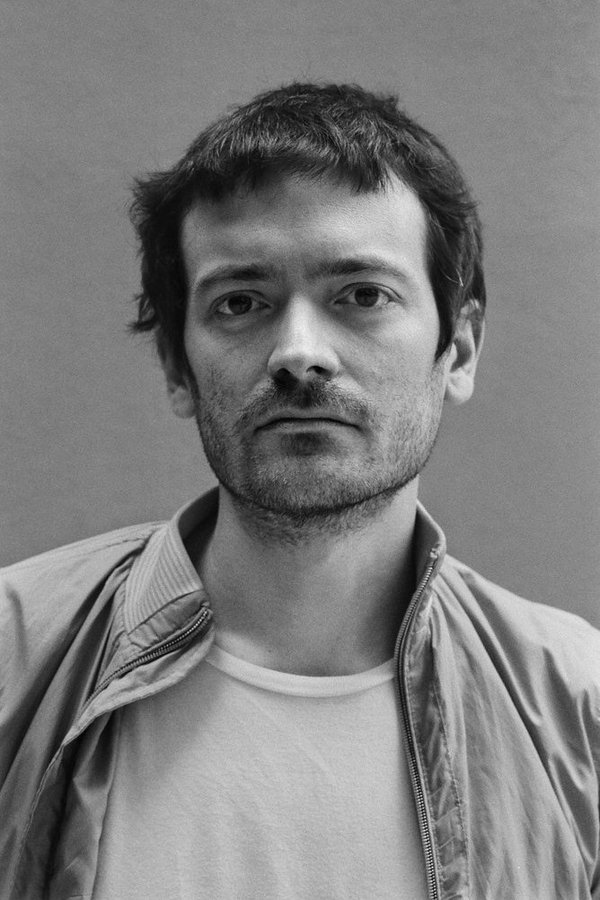
Julián Génisson
Cliente sauna
Diego Adam
Amante 1
Gui Ramón
Primera víctima
Thunder Force brings much-needed diversity to the superhero genre. Unfortunately, it's also an uninteresting and unfunny mess.
Everyone needs a BFF and a "wing person" like Yumi (Chloris Li). Li brings the "straight person" persona, literally and figuratively balancing James Aaron Oh's perfectly timed comedic delivery as the unlucky-in-love.
He’s a nine-time Oscar host and a revered comedy legend. He’s an up-and-coming comedy star who was a voice in the biggest animated movie of all time. So what happens when these two are forced to work together?
Directed by George Miller, Thunderdome continues to follow the titular character through post-apocalyptic Australia.
Throughout Brendan Fraser’s career, he has played a plethora of unique, layered characters who explore the importance of not being afraid to display your emotions, something that is often seen to not be a masculine trait. This idea of regulating emotion and what traits men are able to possess creates a toxic atmosphere for men who are often told they should not cry or represent their emotions in any physical way. These characters represent that men can be joyful, emotionally conscious, and sensitive, while also representing their masculine identity instead of painting those qualities as fighting against their masculinity.
Ultimately, Wicked is a story about the cost of being othered, the pain of being misnamed, and the quiet revolution of standing in your truth.