





'Hawkeye' Episode 4 Review: Things Just Got Real
In episode 4 of 'Hawkeye,' things are getting real, from a mystery surrounding a Rolex watch to hints at a certain "big guy" to the reveal of [SPOILER].

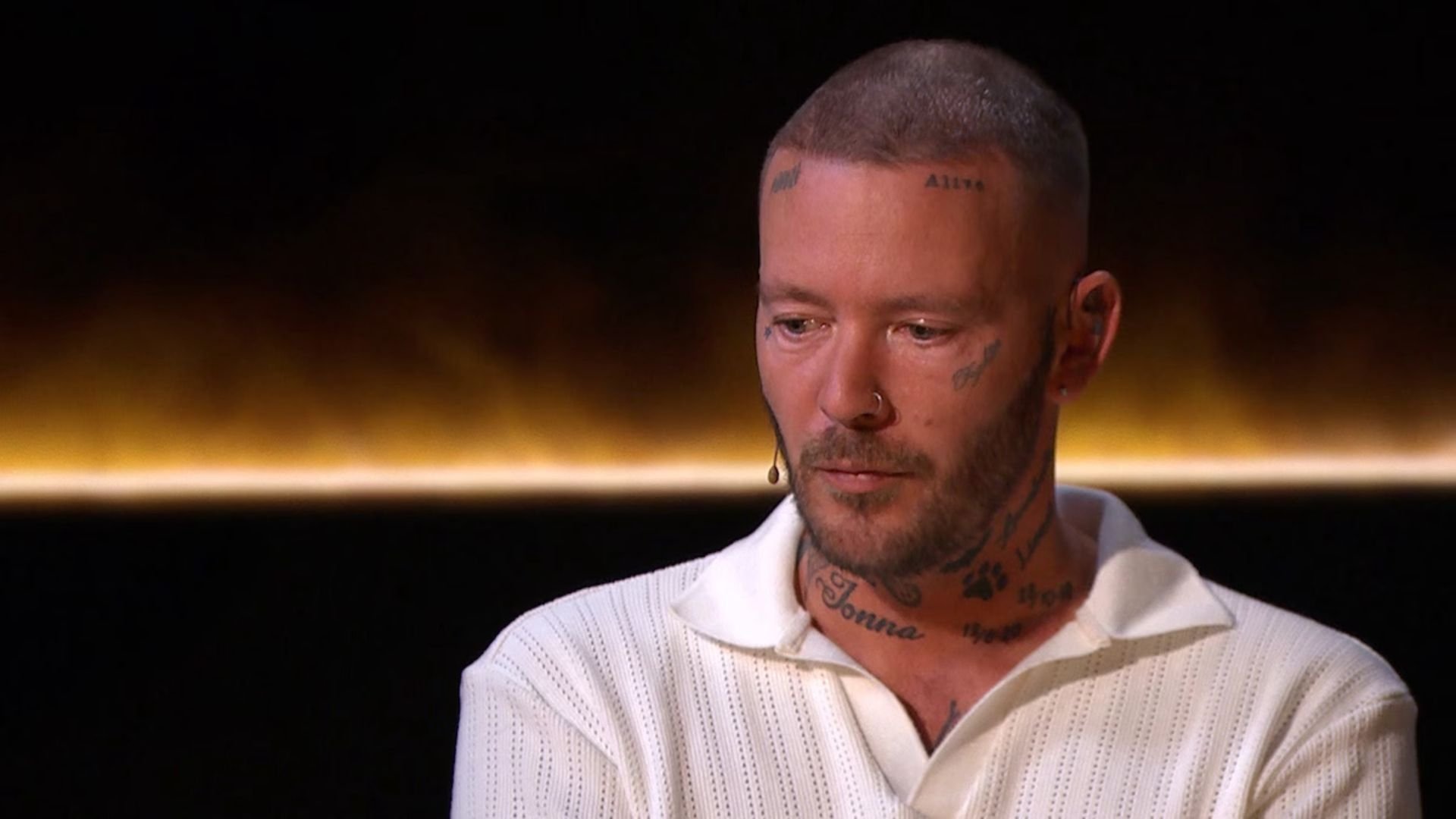
As the character Jockiboi, Joakim Lundell was completely limitless and when he was a participant in the scandalous reality show "Kings of Tylösand" he gained hundreds of thousands of followers on his blog. In a long interview with Malou von Sivers, he talks about his broken childhood and about rising from absolute rock bottom. A conversation about reconciliation and forgiveness.
In episode 4 of 'Hawkeye,' things are getting real, from a mystery surrounding a Rolex watch to hints at a certain "big guy" to the reveal of [SPOILER].
Outer Banks (2020-) knows its audience: young adults in a country that can’t stop romanticizing good ole’ treasure hunts. Add a little of Riverdale’s (2017-) sex appeal, and no one can look away. Forty years after The Goonies (1985) America’s consciousness hasn’t strayed from the same tropes: treasure hunts, a vulnerable white male lead, and the whitewashing of a racially segregated setting.
What makes The Matrix saga fascinating is the symbolism of caves and trans allegories
It took writers D.B Weiss and David Benioff two years to give us a promising final season. Two. Years. It was just going to be six episodes, which was short considering that all the other seasons — except season 7 — were 10 episodes. 10. 6 wasn’t enough, and even HBO wanted to give the writers more episodes. More seasons, even. However, the writers wanted to get out of the show as quickly as possible to work on other projects. This abruptness is clearly shown in this season.
The French-born director Laure de Clermont-Tonnerre’s strategic choice to entrust the interpretation of a conventional, feminine character to a non-binary actor pays off: Corrin’s Lady Chatterley is awkward, edgy, and uninhibited at the same time.
It doesn’t offer an absolute answer for the dialectical ethical questions that emerged in search of justice but portrays the characters as living people beyond the identities of victims.