










Avatar: Still a Groundbreaker in CGI, but Not in Story
I suppose you could argue that the story wasn’t what Director James Cameron was aiming for, it was the visuals. The spectacle of it all was the point, and it certainly shows.
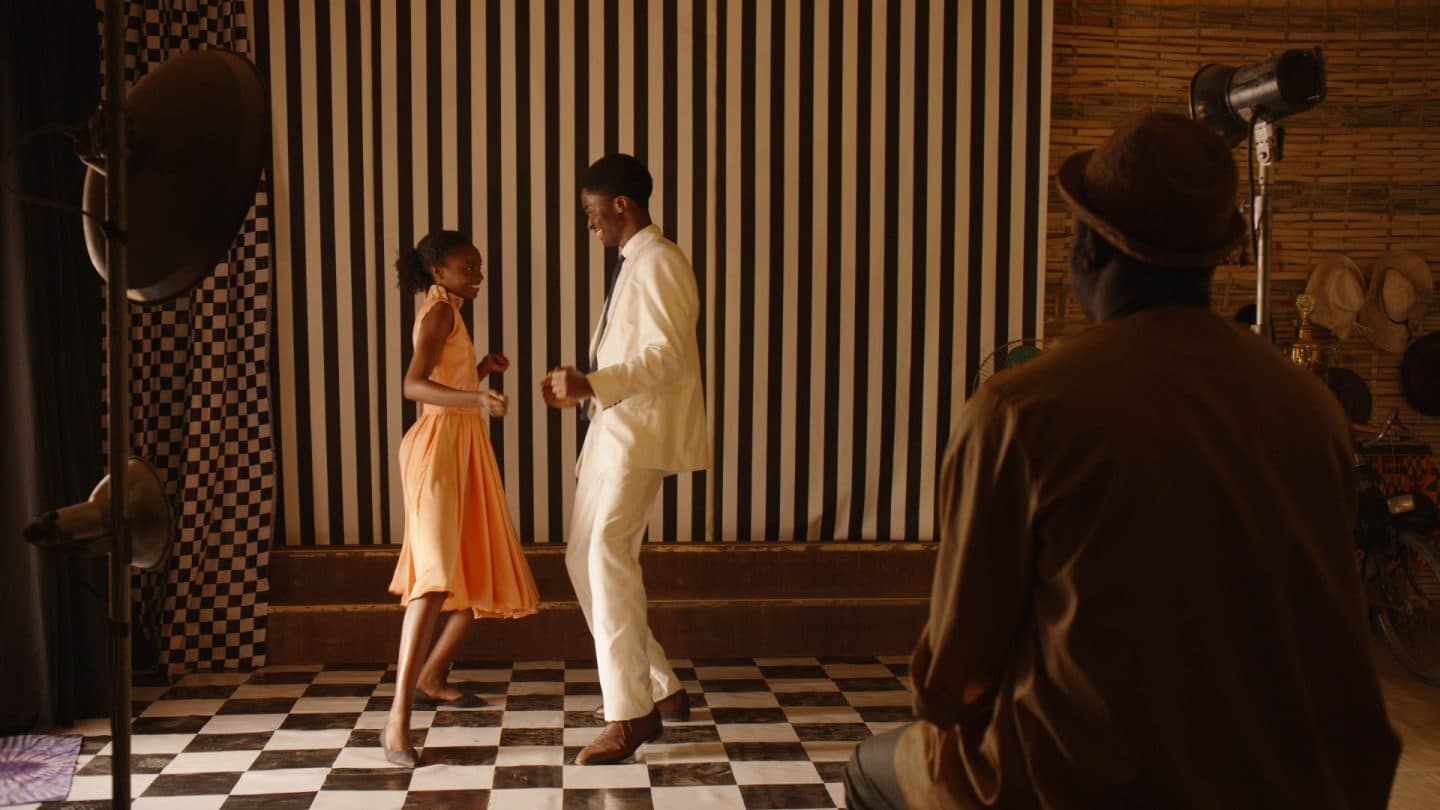
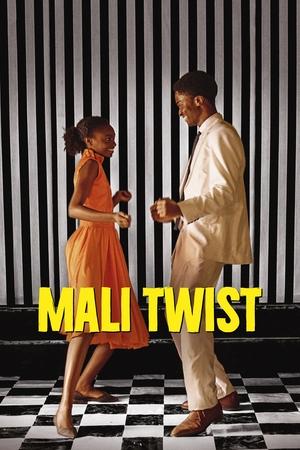


Mali, 1960. The youth of Bamako dance the twist to rock and roll music newly imported from the West and dream of political renewal. Samba, a young socialist, falls for spirited Lara during one of his missions to the bush. To escape her forced marriage, she secretly flees with him to the city. But Lara’s husband won’t let them be and the Revolution soon brings painful disillusions as they dream of a future together.
I suppose you could argue that the story wasn’t what Director James Cameron was aiming for, it was the visuals. The spectacle of it all was the point, and it certainly shows.
Stand and Deliver is an inspirational classic from 1988 starring Edward James Olmos as Jaime Escalante, and his class of rag tag students in East Los Angeles. It’s the story of how a new teacher shows a motley group of students in the inner city with backgrounds as gang members, dishwashers, and mechanics — the power of self-determination. He teaches the teenagers to believe in themselves through algebra and calculus.
In The Women and the Murderer, directors Mona Achache and Patricia Tourancheau center women—the very demographic true crime is designed to appeal to.
As one of the women said in the film, friendship in your teens is “as important as any lover” and it’s clear they lived that philosophy throughout their early adult lives as well.
The history of Hollywood is as ugly as it is beautiful. Most notably absent from Hollywood history are Black-produced films. “They’ve Gotta Have Us” explores the rise of Black cinema.
Viewers get a glimpse of life of mediocrity in a world where humans and cartoon characters live together in this comeback.