


The Women and the Murderer: Made by Women for Women
In The Women and the Murderer, directors Mona Achache and Patricia Tourancheau center women—the very demographic true crime is designed to appeal to.

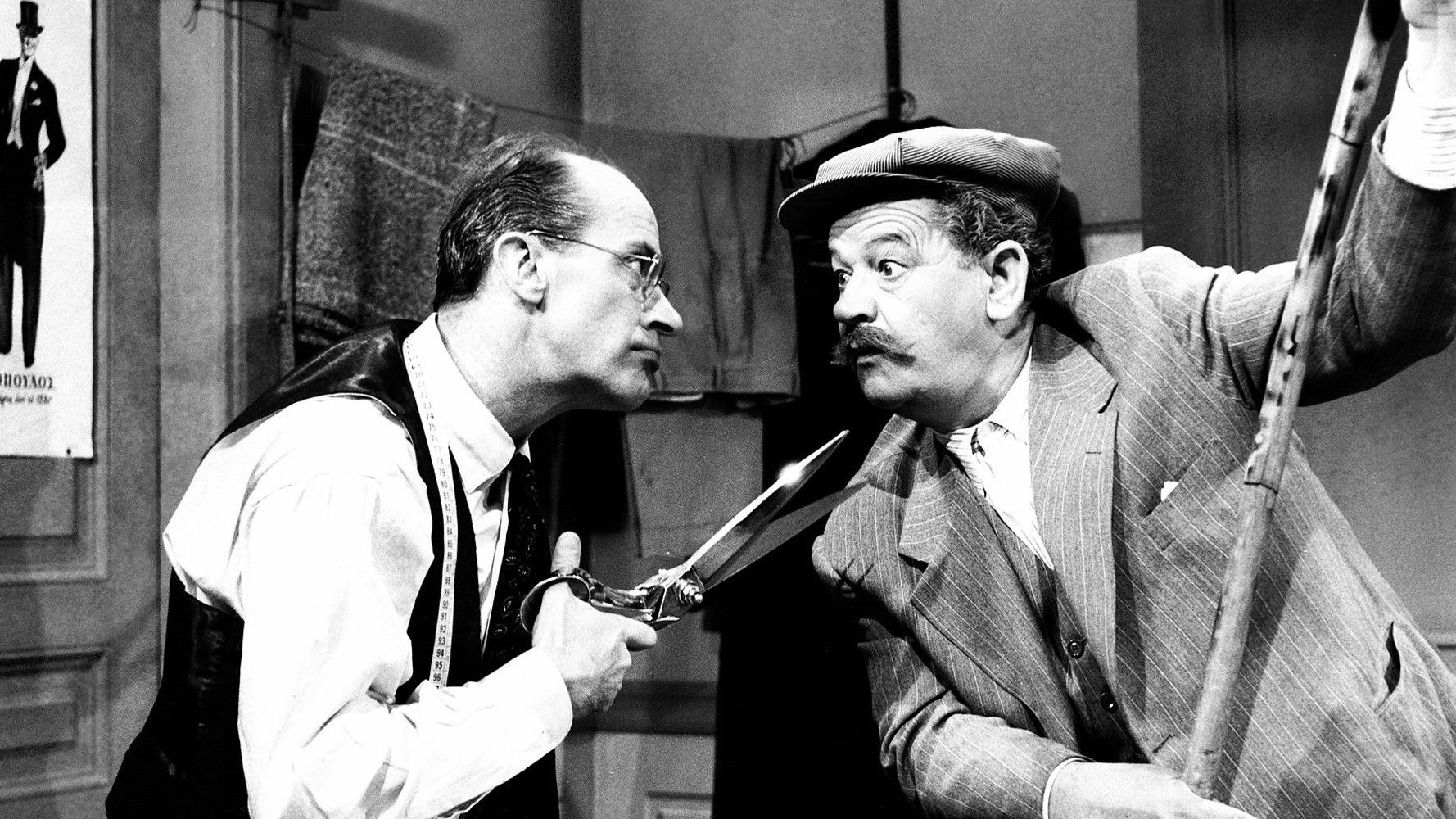
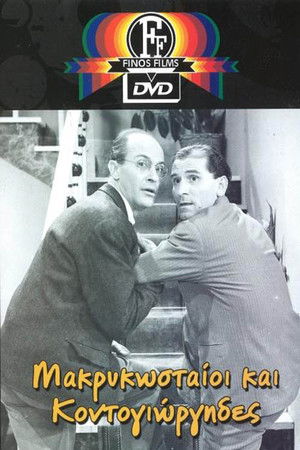
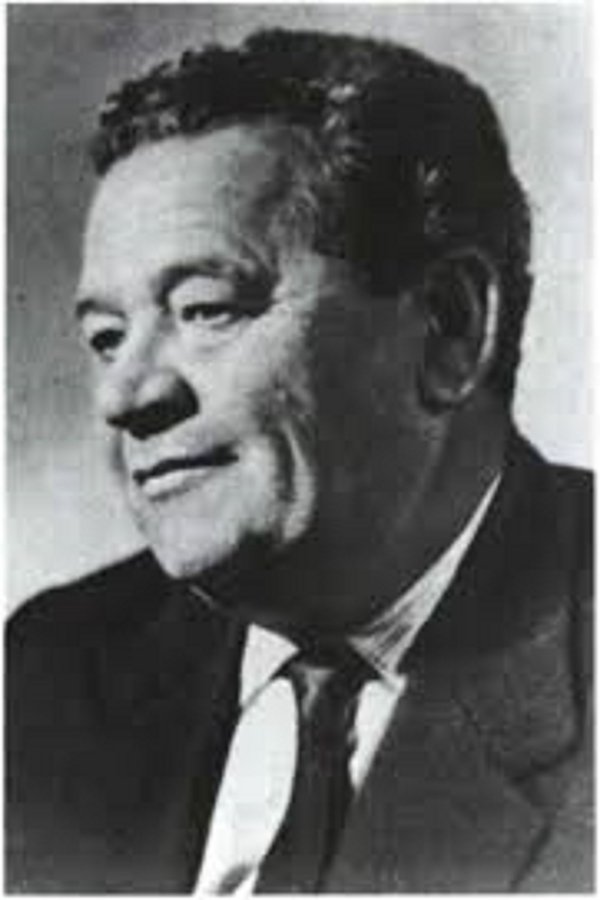
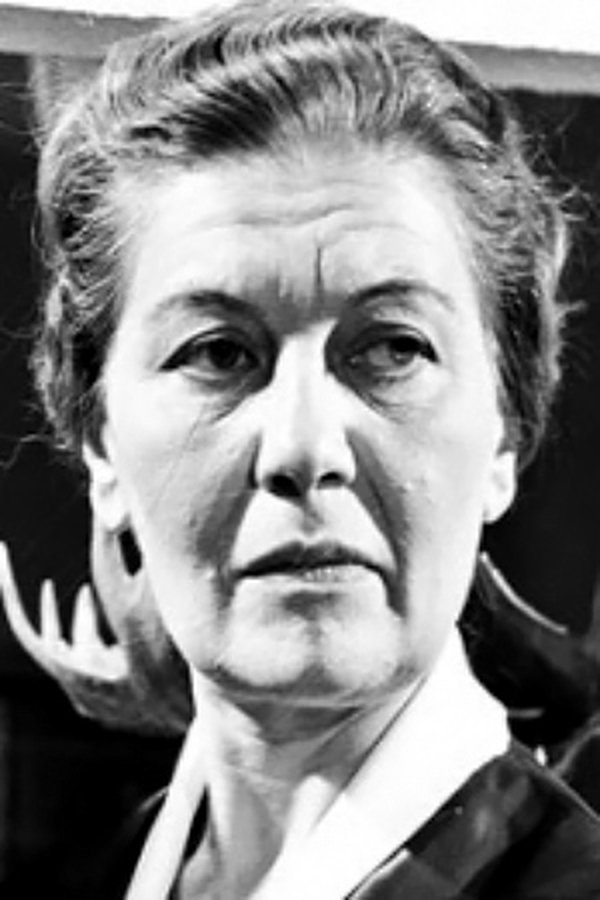
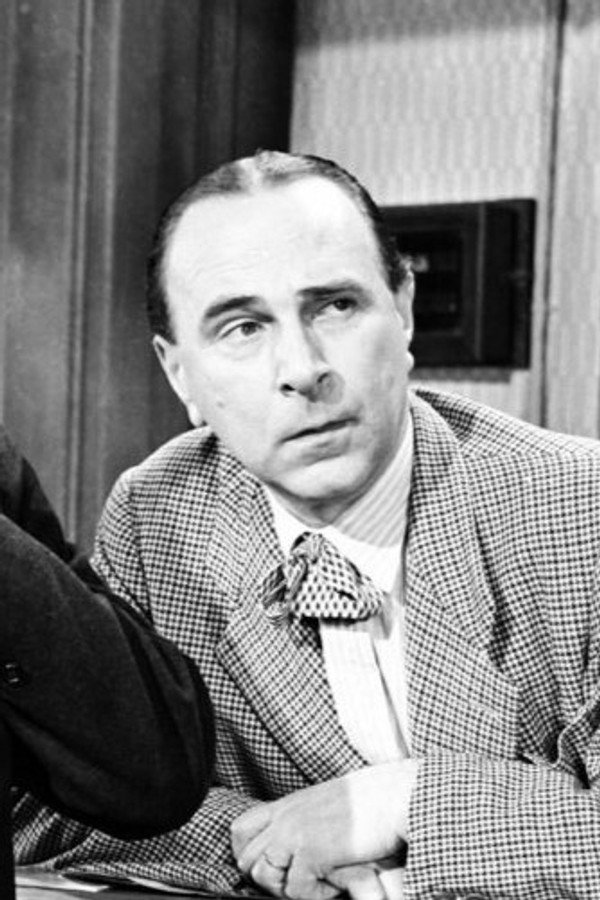
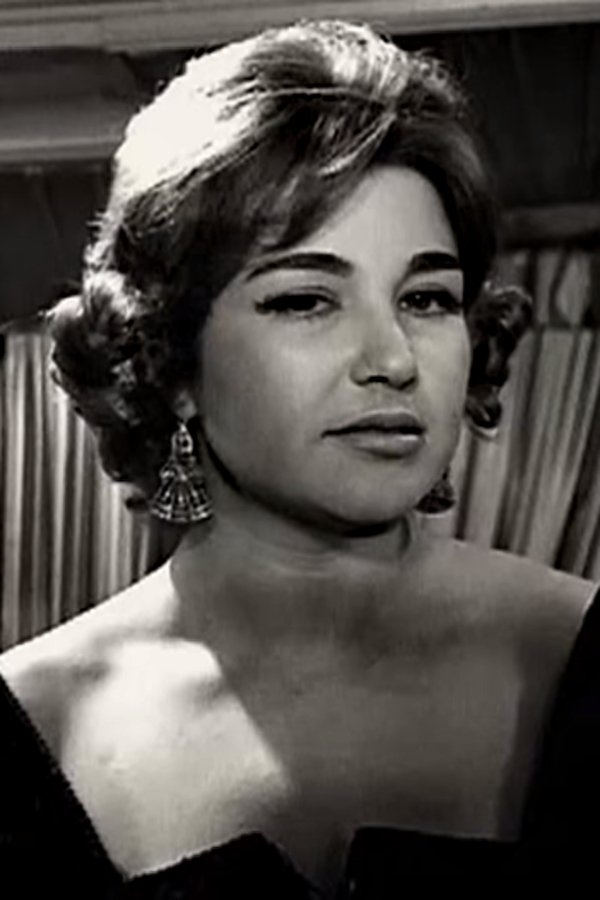
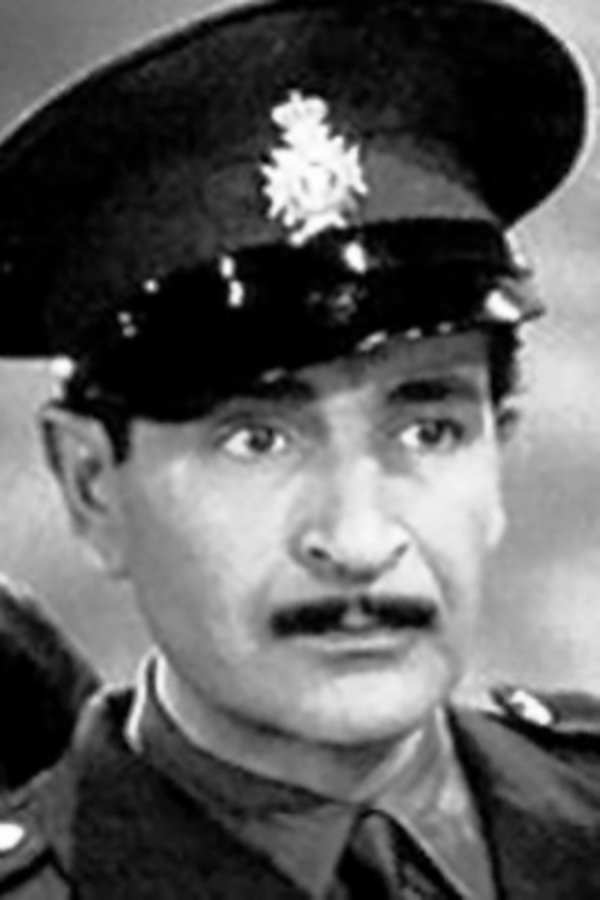
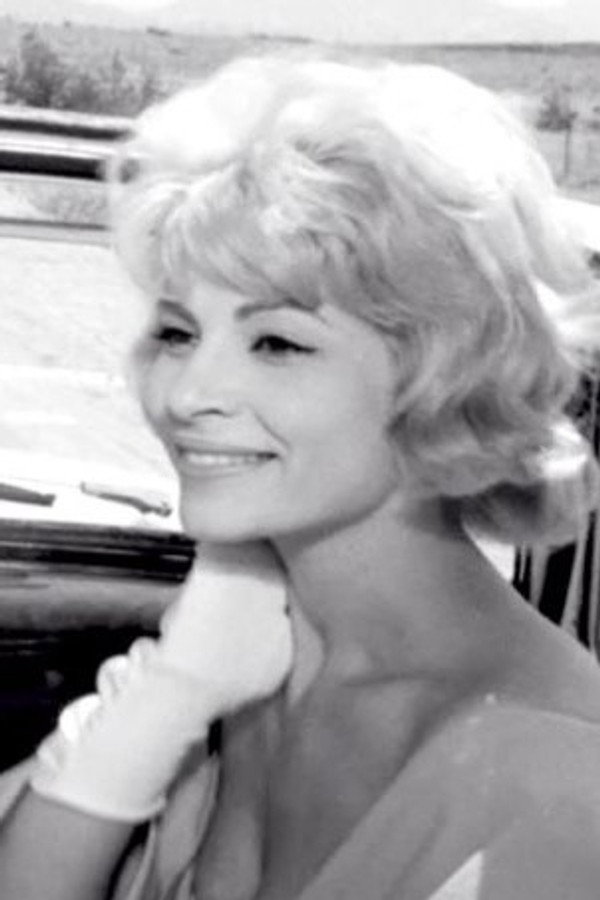
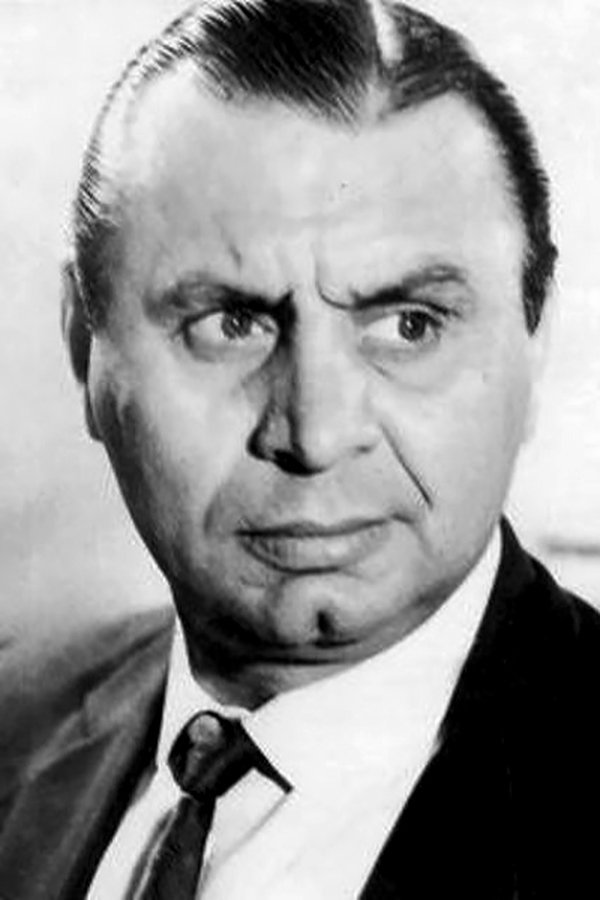
Stelios Kondogiorgis (Dinos Iliopoulos) and Thomas Makrykostas (Costas Hajihristos) are two quiet men that come from the same Peloponnese village yet do not know each other. Their families however are involved in a bloody feud that started 80 years ago. Stelios and Thomas are the last male members from each family. After the last murders in the village where a member of each family died, Stelios' uncle (Pantelis Zervos) urges him to find and kill Thomas for revenge lest he finds him and kills him first. At the same time Thomas is visited by his aunt (Joly Garbi) who asks of him the same and provides him with weapons. Despite everything, neither Stelios nor Thomas are interested in murdering one another and they are both terrified from the idea that a stranger is looking for them in order to kill them. So, they decide to leave their respective jobs and hide at some remote hotel. Luck brings them together without them knowing of each other's identity as they share a room.
In The Women and the Murderer, directors Mona Achache and Patricia Tourancheau center women—the very demographic true crime is designed to appeal to.
The power to function. As people, we are richly blessed to have the wide ranging scope of what we can accomplish…physically and mentally…that aid in everything we desire to strive for and, ideally, accomplish. However, what if someone was experiencing daily life with these elements….only in a more muted manner?
Dead Poets Society relies on patriarchal tropes such as overbearing fathers, contrived brotherhood, and faux-individuality in order to portray its straight white male characters as oppressed.
‘A Good Person’ makes it clear that forgiveness is hard.
Joann Kohng’s Subject to IX tells the heartbreaking truth of the Title IX rules that colleges abide by.