







'The Marvels' is Actually One of the Best Marvel Movies, No Matter What the Critical Majority Says
This may be controversial… but 'The Marvels' is actually one of the best movies in the MCU. 10 reasons why 'The Marvels' killed it.
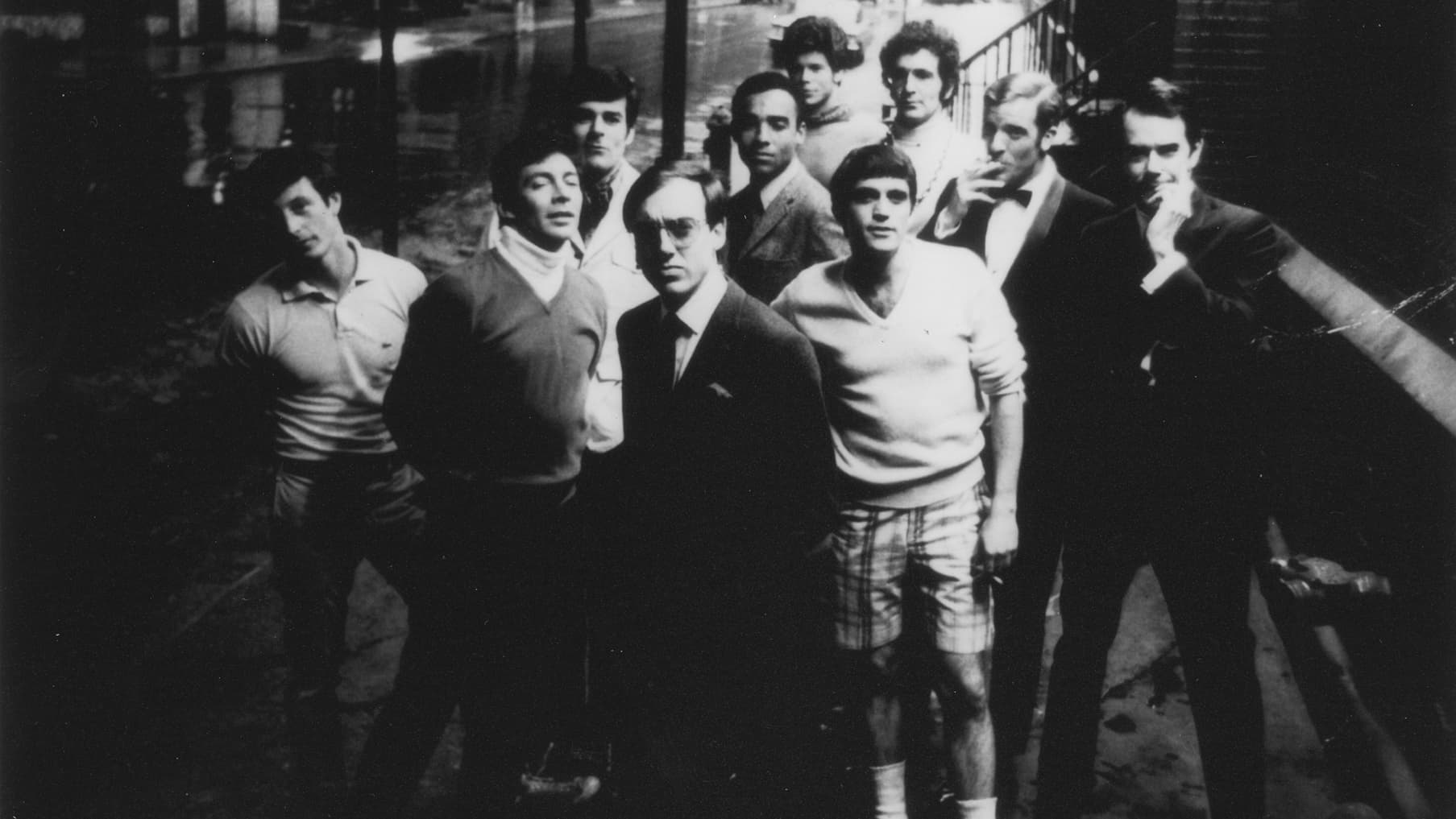
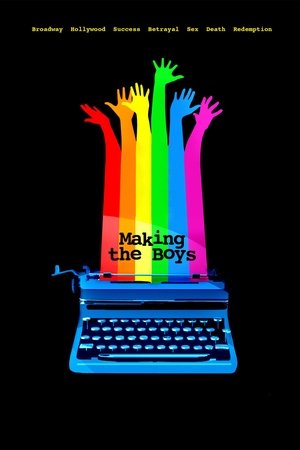


Before Prop 8, Milk or Will & Grace, before the AIDS epidemic, gay pride parades or the Stonewall uprising, "The Boys in the Band" changed everything. "Making the Boys" explores the drama, struggle and enduring legacy of the first-ever gay play and subsequent Hollywood movie to successfully reach a mainstream audience. Featuring anecdotes from the surviving cast and filmmakers, as well as perspectives by legendary figures from stage and screen, it traces the behind-the-scenes drama and lasting legacy of this cultural milestone.
This may be controversial… but 'The Marvels' is actually one of the best movies in the MCU. 10 reasons why 'The Marvels' killed it.
Throughout Brendan Fraser’s career, he has played a plethora of unique, layered characters who explore the importance of not being afraid to display your emotions, something that is often seen to not be a masculine trait. This idea of regulating emotion and what traits men are able to possess creates a toxic atmosphere for men who are often told they should not cry or represent their emotions in any physical way. These characters represent that men can be joyful, emotionally conscious, and sensitive, while also representing their masculine identity instead of painting those qualities as fighting against their masculinity.
Disney movies have taken a bit of a downward turn recently. How come?
Despite this genre not being a new one, The Novice offers a fresh perspective with its study of performance anxiety
Make no mistake about it, Gilligan has created a continuation that earns its place in the annals of Breaking Bad lore. El Camino isn't a forced entry in an otherwise brilliant world of fiction. This is a satisfying take, which manages to give closure to an iconic character of fiction.
Great films not only give us great stories, but also great soundtracks. Here are some of our favorite picks for soundtracks songs.