



The precarious representations in One Battle After Another
A bumpy journey about revolution and family makes us feel fear, disgust, humor, and satisfaction.


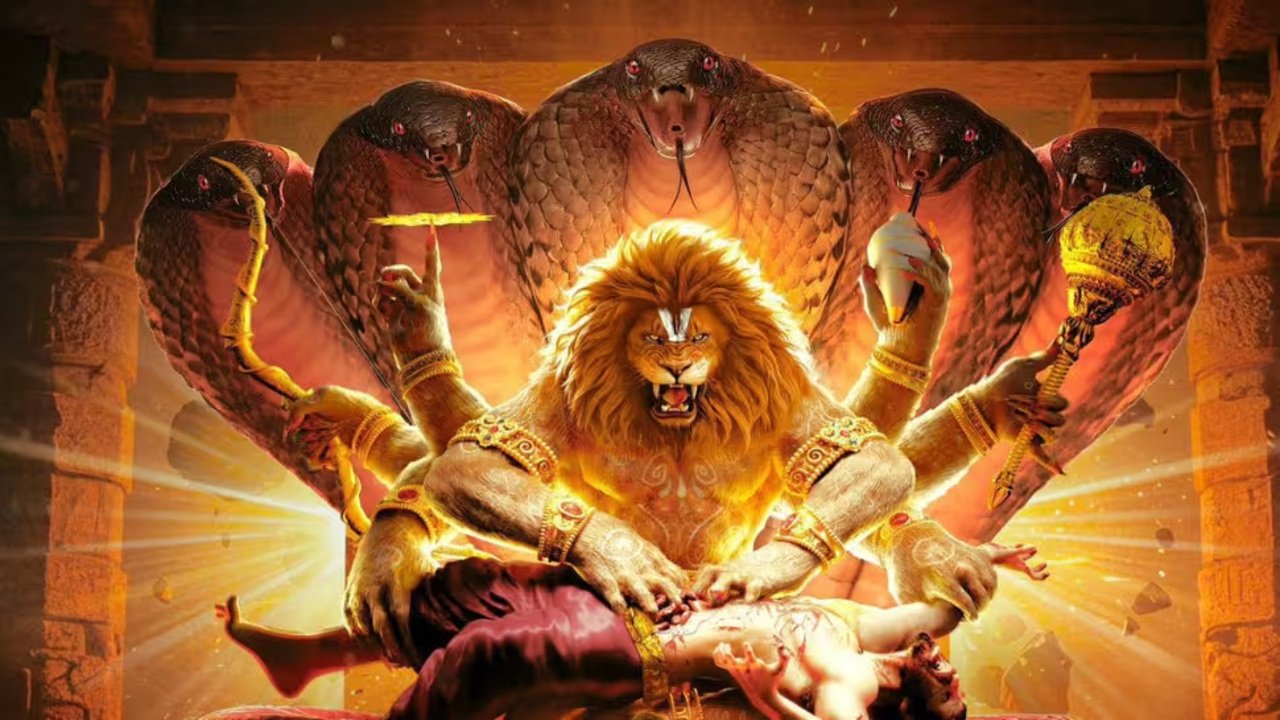
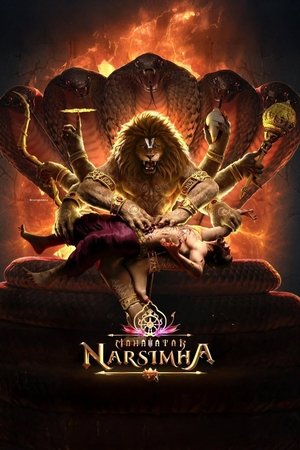
I did not expect much when I first saw the PR for Mahavatar Narsimha, but the film surprised me. Hombale Films backed something much bolder than I thought we would get from Indian animation.
I knew the story from childhood after watching Vishnu Puran on TV, and the Hiranyakashipu episode stuck with me. Seeing Prahlad, Hiranyakashipu, and Lord Narsimha come to life here brought that memory back with new force. Those moments of faith, fear, and fury hit harder than I expected.
What stands out most is the ambition of the visuals. The action is grand, the staging confident, and the sense of scale impressive. From massive battles to sweeping camera moves, the film does not hold back. Lord Narsimha’s arrival in the climax is a breathtaking sequence that feels larger than life.

Tyrannical demon Hiranyakashyap challenges Vishnu, proclaiming himself a god. However, his son Prahlad remains devoted to Vishnu, who appears as Narsimha to defeat the demon.
A bumpy journey about revolution and family makes us feel fear, disgust, humor, and satisfaction.
We have a long way to go with LGBT representation in film, especially when it comes to LGBT characters of color and trans characters.
Life may find a way, but is it worth testing its fierceness and how far it will go?