Why Angelina Jolie's "Hardbody" in 'Lara Croft: Tomb Raider' Appeals to the Woman Spectator
While the camera is objectifying her body to invoke a sexual response in male viewers, Lara Croft still defies the expectations of women in action films.




While packing her belongings in preparation of evacuating the White House because of the impending British invasion of Washington D.C., Dolly Payne Madison thinks back on her childhood, her first marriage, and later romances with two very different politicians, Aaron Burr and his good friend James Madison. She plays each against the other, not only for romantic reasons, but also to influence the shaping of the young country. By manipulating Burr's affections, she helps Thomas Jefferson win the presidency, and eventually she becomes First Lady of the land herself.

Frank Borzage
Director

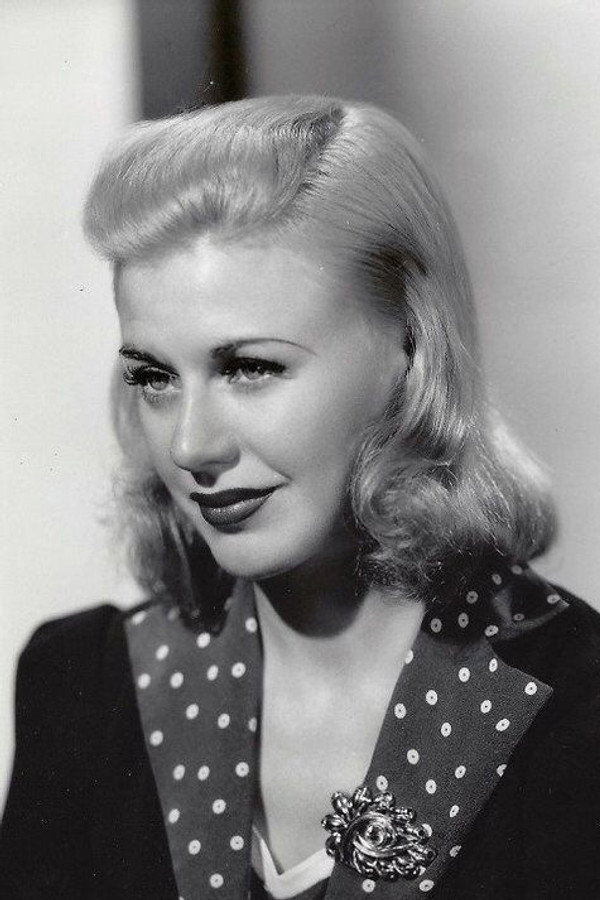
Ginger Rogers
Dolly Madison

David Niven
Aaron Burr
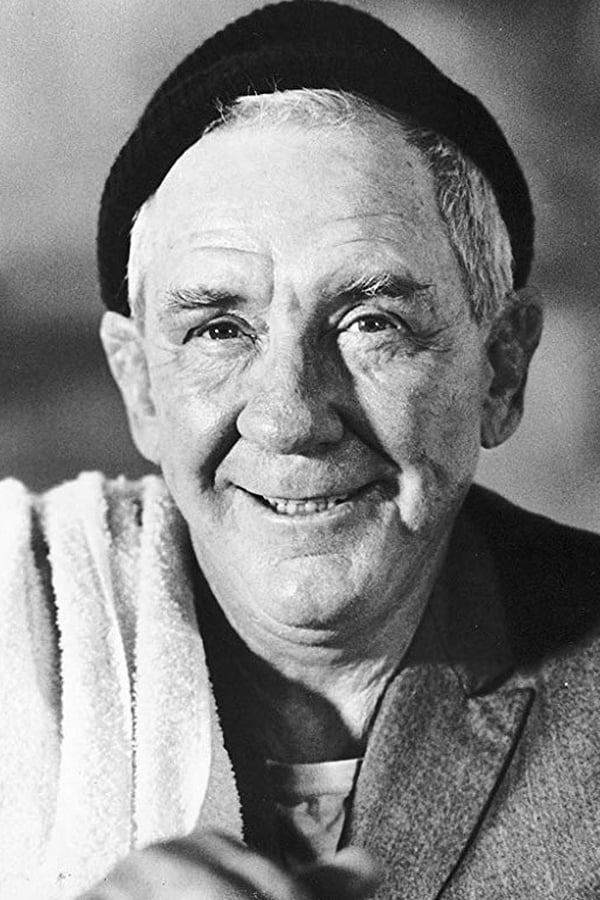
Burgess Meredith
James Madison

Peggy Wood
Mrs. Payne

Stephen McNally
John Todd
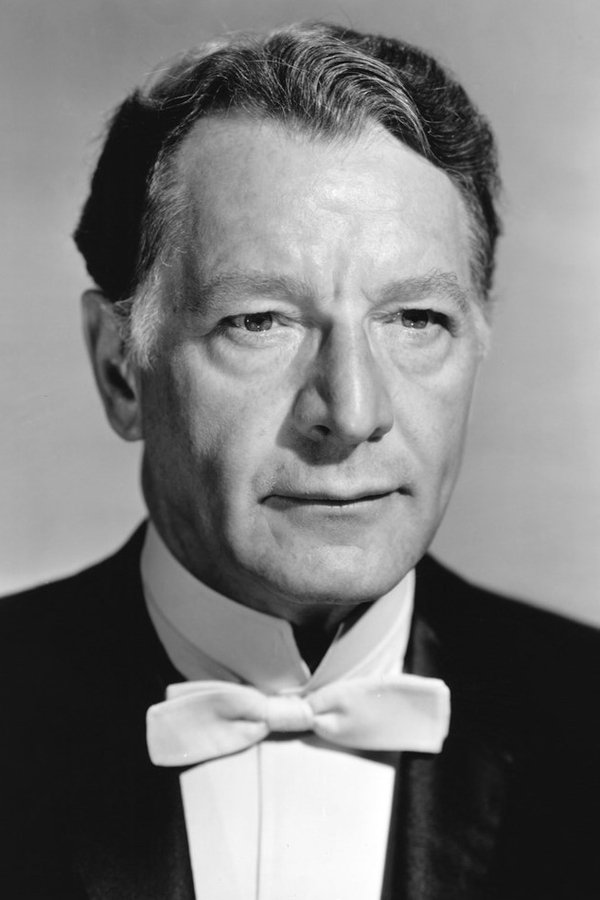
Robert Barrat
Mr. Payne
Grandon Rhodes
Thomas Jefferson

Frances E. Williams
Amy

Henri Letondal
Count D'Arignon

Joseph Forte
Senator Ainsworth (uncredited)

Erville Alderson
Darcy (uncredited)
While the camera is objectifying her body to invoke a sexual response in male viewers, Lara Croft still defies the expectations of women in action films.
The plot could’ve really been interesting if the elements of lycanthropy was integrated with perhaps the struggle of identity of being LGBTQ+. It's an experience for so many that as they’re starting to realizing their true selves, they feel like a monster, especially if they come from unsupportive homes or communities. Instead, the horror and transformation elements seem thrown in without contemplation of how this could deepen the narrative.
When it comes the horror genre, I am VERY hard to please or impress, much less scare. Coming from a current mindset of appreciation for chilling, unsettling, tension-inducing efforts such as "Hereditary", "The Conjuring" (ONLY the first one to date, mind you), "Lights Out", "The Babadook", "Midsommar", "Talk To Me", "Oddity", "Bring Her Back", and the like
Gay representation is out there, but to portray a character who's gay as a big, happy brute is a rare treat.
Billy Eichner provides a hearty dose of good old fashioned romance with a lot of laughs
'The Worst Person In The World' follows a part of life I don't see often portrayed on-screen: extended adolescence.