
'Don't Look Up' Wasn't Much to Look Up to
Adam McKay might have been more concerned with cramming cameos than he was in this story which is a bloated criticism of the rich and famous… delivered unto us by the rich and famous.
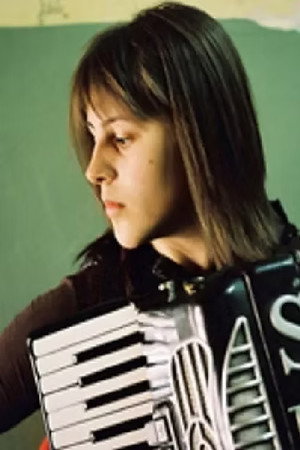


This is the portrait of a young accordionist in the 21st century. It is a film about the joys of life and survival strategies on the forgotten stage of Macedonia. This is the story of a 17-year-old accordionist, who is searching for her place in the world. Corridors are her practice rooms – at home and at school. The whole year she practices diligently and passionately on her old Supita accordion. Obviously, she wasn’t given the name Emilija, meaning „the keen one“, for nothing. She wants to become a professional accordionist, but for this she needs a new accordion. Something that is unattainable for her poor family. But the family‘s poverty also releases their creativity and Imagination. Her father, an art teacher, begins to work as a bodyguard, while Emilija‘s mother illegally sells sweets in the family garden. This is a film about becoming an adult in one of Europe‘s more desolate corners.
Adam McKay might have been more concerned with cramming cameos than he was in this story which is a bloated criticism of the rich and famous… delivered unto us by the rich and famous.
A bond between a girl and her dog takes an unexpected twist as the dog is not what it seems.
If I had truly wished to witness "Guardians of the Galaxy", I would have stayed home to do so. Instead, I went to the IMAX and took in this newest incarnation of one of the most recognized and adapted superheroes in the DC Universe. **Sigh** Let me be clear here. I am NOT saying this is an AWFUL film.
A movie that brings Indian culture with classic Bollywood themes and electronic dance music.
At its heart, it’s a fond tribute to an influential artist and thus one that can speak to everyone’s inner artist, even if it lacks the sincere commentary you may wish to see.
The history of Hollywood is as ugly as it is beautiful. Most notably absent from Hollywood history are Black-produced films. “They’ve Gotta Have Us” explores the rise of Black cinema.