“A Girl Walks Home Alone At Night”: A Powerful Look At the Exploitation of Women
While the director didn't set out to make a feminist film, "A Girl Walks Home Alone At Night" reads as a reclamation of female power in a patriarchal society.
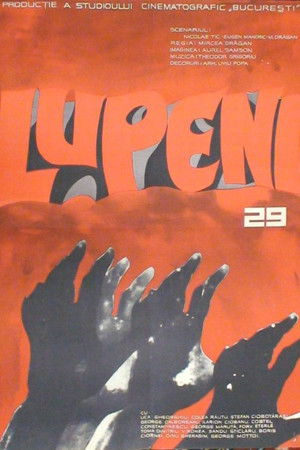


Based on true events. In the Romanian town of Lupeni August 5, 1929, driven to despair by hard labor conditions miners under the leadership of Communists organized a strike. The miners demanded higher wages and an eight-hour workday. They opposed the government's attempts to shift the entire burden of the economic crisis onto the workers' shoulders. The government, concerned about the scale of the strike and the workers' determination not to give in to their demands, ordered troops to shoot at unarmed people. On August 7, the strike was brutally suppressed. Many workers were killed. But these events have forever gone down in the history of the Romanian labor movement as an example of solidarity, heroism and invincibility of the people.

Mircea Drăgan
Director


Lica Gheorghiu
Ioana

Colea Răutu
Petre Letean

George Calboreanu
Tudor Baci

Ștefan Ciubotărașu
Varga

Ilarion Ciobanu
Danet

Fory Etterle
prosecutor

George Motoi
Ioana's first husband
Boris Ciornei
The poet officer

Costel Constantinescu
Mateianu

Toma Dimitriu
The gendarme commander

Dumitru Furdui
Mirica
While the director didn't set out to make a feminist film, "A Girl Walks Home Alone At Night" reads as a reclamation of female power in a patriarchal society.
Critical Incident is worthy of a weekend binge, keeping you guessing right up until the end.
Given that Charlie Cox is having a moment with the rise in interest in 'Daredevil,' let's return to one of his earlier movies: the fantasy romance 'Stardust' where he shines amidst a slew of characters, from a stereotypical witch to a crossdressing pirate.
"Hustlers" returns power to groups that are traditionally deprived of it: women, the working class, and sex workers.
Rules are nowhere to be seen in the harsh unfiltered reality of ‘Fair Play.’
One of THE most frustrating trends in the mainstream film industry over the last several decades has been the onset of comedy efforts that seem SO focused on being crude and/or gross-out in all ways possible. That, at least for me, makes them no longer funny.