



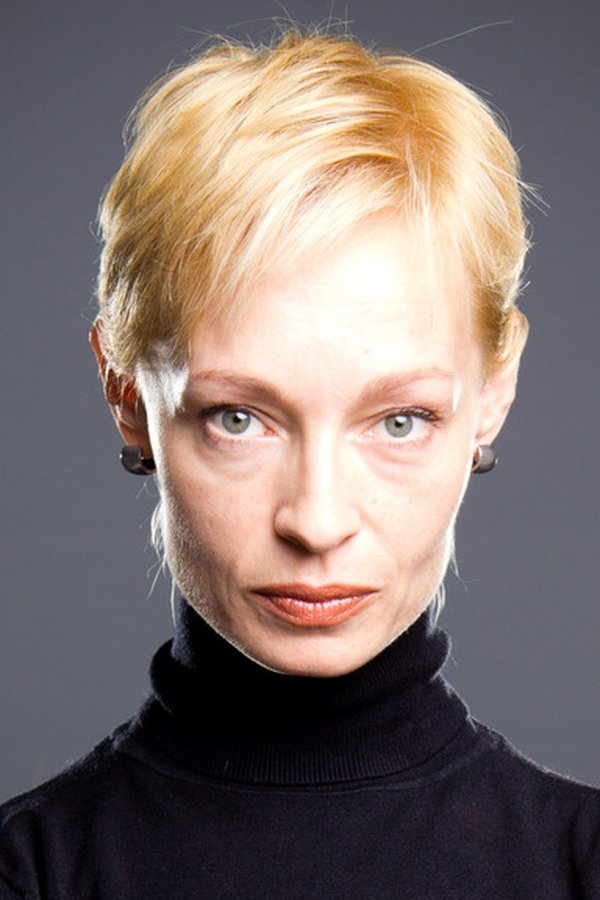

‘Dog Lover’ Review: Strange and Generic But Witty For the Fetish Community
We all have our kinks and fetishes and what turns us on the most. Dog Lover details a serious (and at times unhealthy) look at a fetish that might go a little too far.
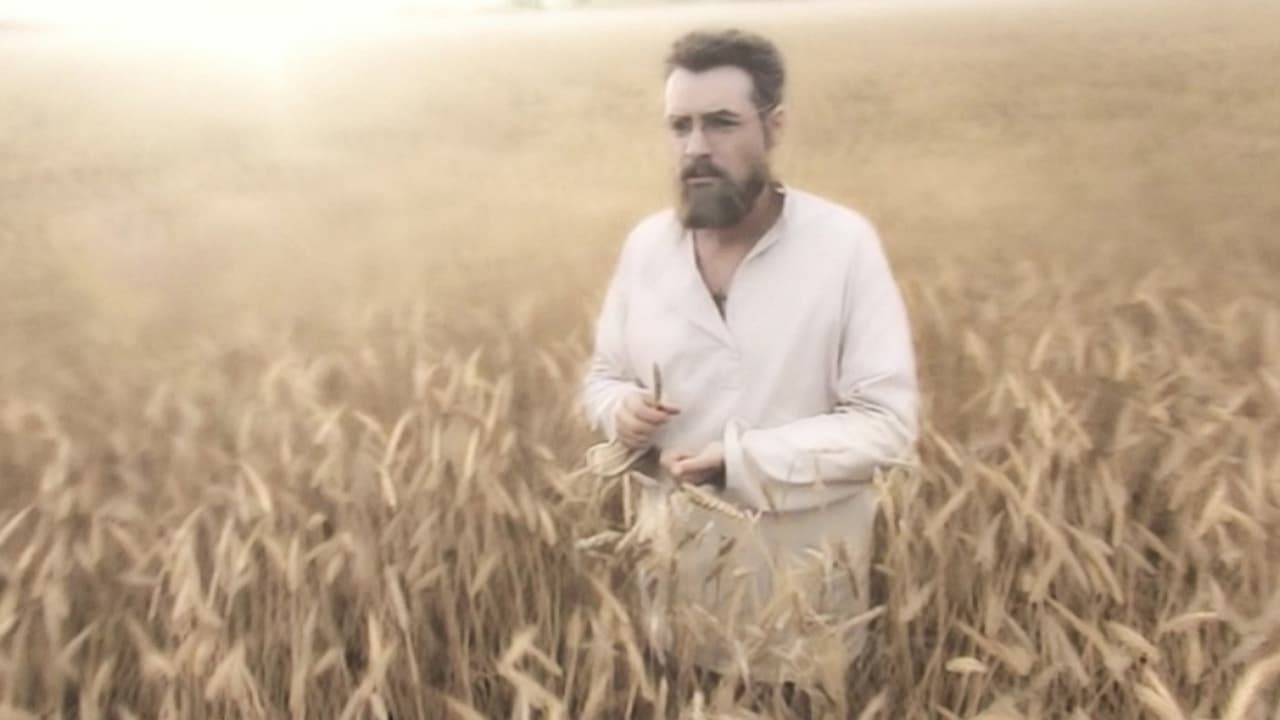



Year 1917. Young doctor Valentin Voyno-Yasenetskyj with his wife and four children moved to Tashkent, beset by civil war and intervention. Voyno-Yasenetskyj became head physician in the city hospital. He not only saves hundreds of patients every day, operating under the bullets of the permanent street battles, fighting for his life and life of his beloved wife, dying of TB. In the midst of persecution, he as alone with four children on the outskirts of the former empire, so he decides to become a priest. And since then, he never altered neither scalpel, nor cross, he goes with them through all their hard exiles and arduous life, treating both: body and soul.
We all have our kinks and fetishes and what turns us on the most. Dog Lover details a serious (and at times unhealthy) look at a fetish that might go a little too far.
Steven Soderbergh’s Contagion is a fan-favorite, as are some of the more science fiction angled movies like 28 Days Later or World War Z. I recently watched the 1995 Wolfgang Peterson-directed movie, Outbreak for the first time, which is currently available on Netflix.
A group of criminal animals tries their best to reform themselves into good citizens to avoid serving time in prison.
Of all the many great people that have contributed to Hip-Hop and radio, I was fortunate enough to speak with James Rosseau, founder of The Corelink Solution, a nonprofit that owns and operates Holy Culture Radio.
'An American Werewolf in London' possesses a possible queer reading in the way it envisions a heterosexual romance being undone by the presence of a creature who embodies self-contentment in the face of social alienation.
Make no mistake about it, Gilligan has created a continuation that earns its place in the annals of Breaking Bad lore. El Camino isn't a forced entry in an otherwise brilliant world of fiction. This is a satisfying take, which manages to give closure to an iconic character of fiction.