











“Disclosure Day” and Anthropocentrism
Disclosure Day asks us to question humanity's role in the universe but falls victim to the same assumptions of centrality.
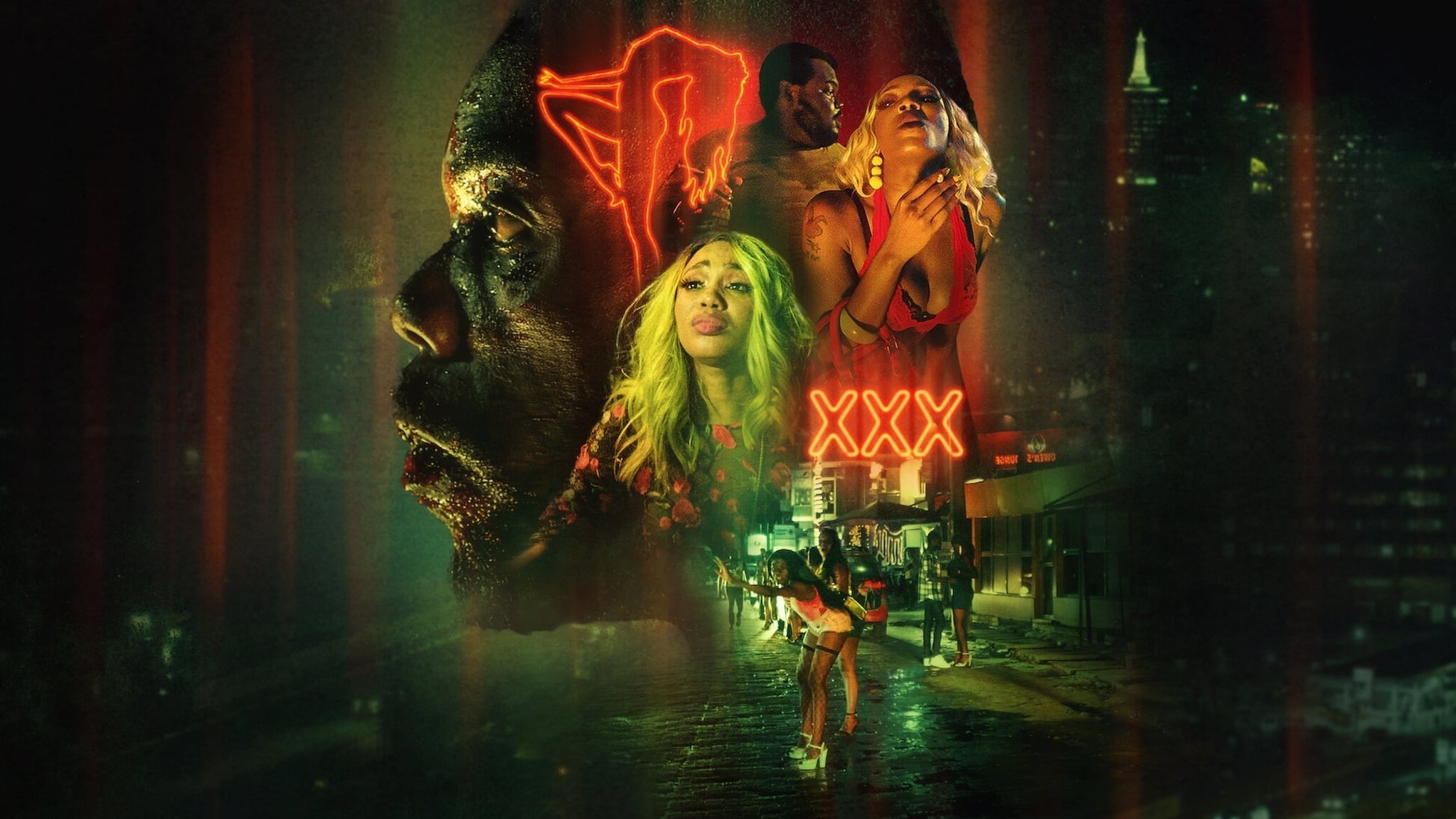



In Lagos, Nigeria, young, naive Nigerian journalist Òlòtūré goes undercover to expose the shady underworld of human trafficking. Unused to this brutal environment, crawling with ruthless traders and pimps, Òlòtūré finds warmth and friendship with Blessing, Linda and Beauty, the prostitutes she lives with. However, she gets drawn into their lifestyle and finds it difficult to cope. In her quest to uncover the truth, she pays the ultimate price - one that takes her to the verge of no return.
Disclosure Day asks us to question humanity's role in the universe but falls victim to the same assumptions of centrality.
This coming-of-age movie discusses immigration issues in the United States through the eyes of two exchange students in Brazil.
'Ms. Davis’ Close Friend' will make you think about the meaning of death and what it means to be alive, and if there’s really a race to be run with one's inevitable demise.
This Transgender Day of Remembrance, let us take a look at six films about transgender children grappling with their identity in a heteronormative world that despises their kind and tries its best to invalidate their feelings.
Marvel’s animated show What If...? ended last week, so let’s go back and look at all of the different universes shown and rank each episode from worst to best!
An anti-war film denouncing the valorization of senseless violence, 'All Quiet on the Western Front' is (unfortunately) all too relevant in 2022.