











Zootopia 2—Is it worth the watch?
Disney has long since had a reputation for creating underwhelming sequels. Is Zootopia 2 any different?
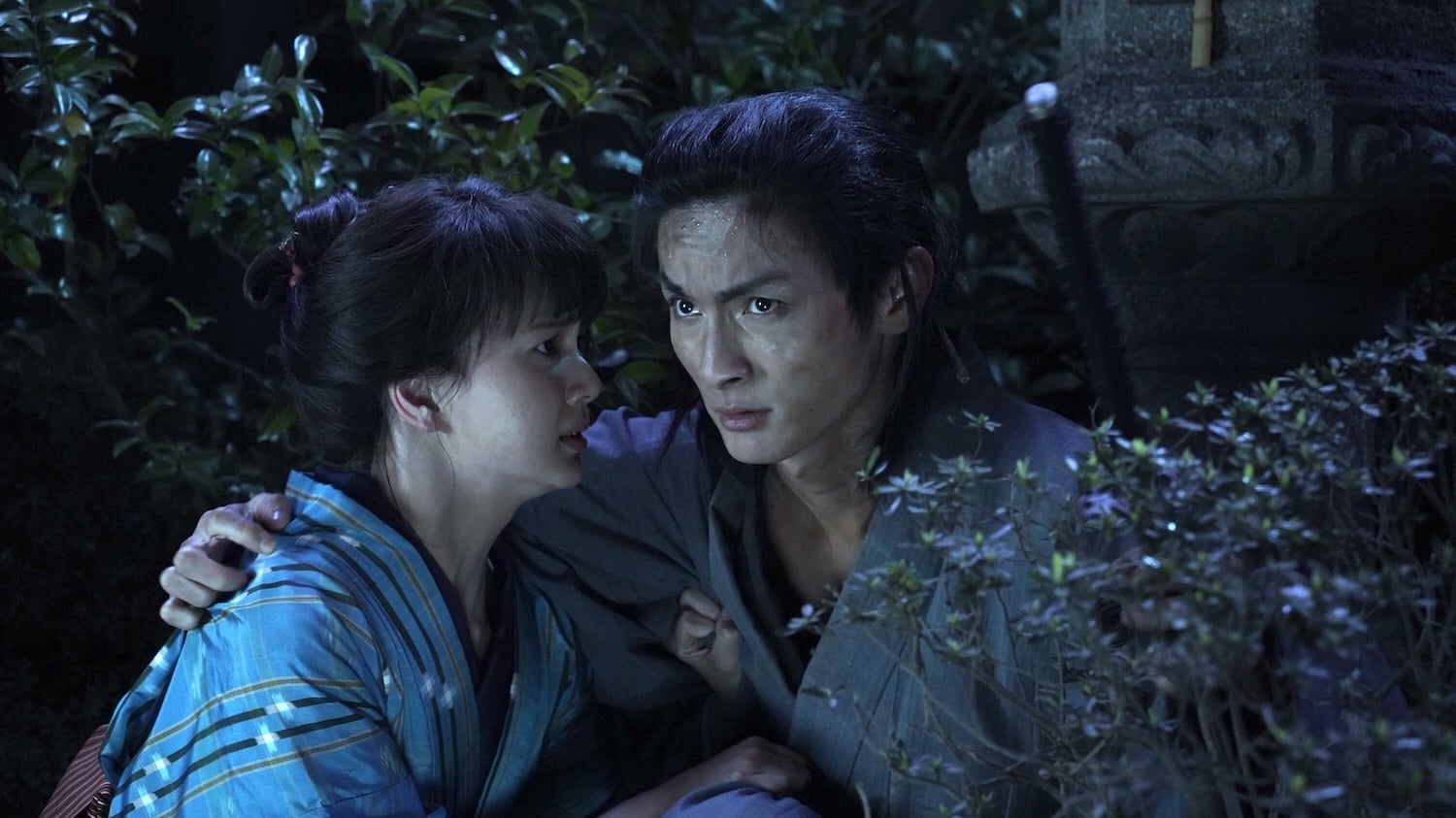



Set in Kyoto in the last days of the Edo Period, the bloody conflict continues between local feudal domains, which aim to overthrow the Tokugawa Shogunate, and the Shogun's police and city patrol. Tajuro Kiyokawa, once the master of the sword but now a depraved samurai who left his domain putting aside his past ambition, barely makes ends meet. Toyo, a woman who runs a tavern next door, feels affection for Tajuro who guards her place against nasty customers, but he never realizes Toyo's feelings.
Disney has long since had a reputation for creating underwhelming sequels. Is Zootopia 2 any different?
Armed with a $400M budget and Tom Cruise’s death-defying stunts, Mission: Impossible – The Final Reckoning delivers pulse-pounding action even as its plot falters. From underwater silence to high-altitude madness, it's pure adrenaline powered by old-school movie magic — but is this really Ethan Hunt’s final mission?
All in all, 47 Meters Down: Uncaged is a film I would recommend. It promotes the bond of sisterhood, which in this case is clearly thicker than blood, as well as courage. No one truly knows how strong they are until they go through something unimaginable and come out changed for the better.
Facing the world with our fair share of uncertainties and/or apprehensions, many of which, sadly, may be well-founded, is nothing to sneeze at. Influenced and buffeted by the constant barrage of social media, fake news, and general upheaval present in our contemporary reality, what IS real and what's not becomes a blur.
A boy named Max experiences adventure within his own house while staying home alone.
Deborah (Jean Smart) and Ava (Hannah Einbinder) are a delight to watch evolve, sometimes devolve, then evolve again.