









Māhū—Reclaiming what’s rightfully theirs
Why did Māhū, a term once respected in Hawaiian culture, become so controversial?
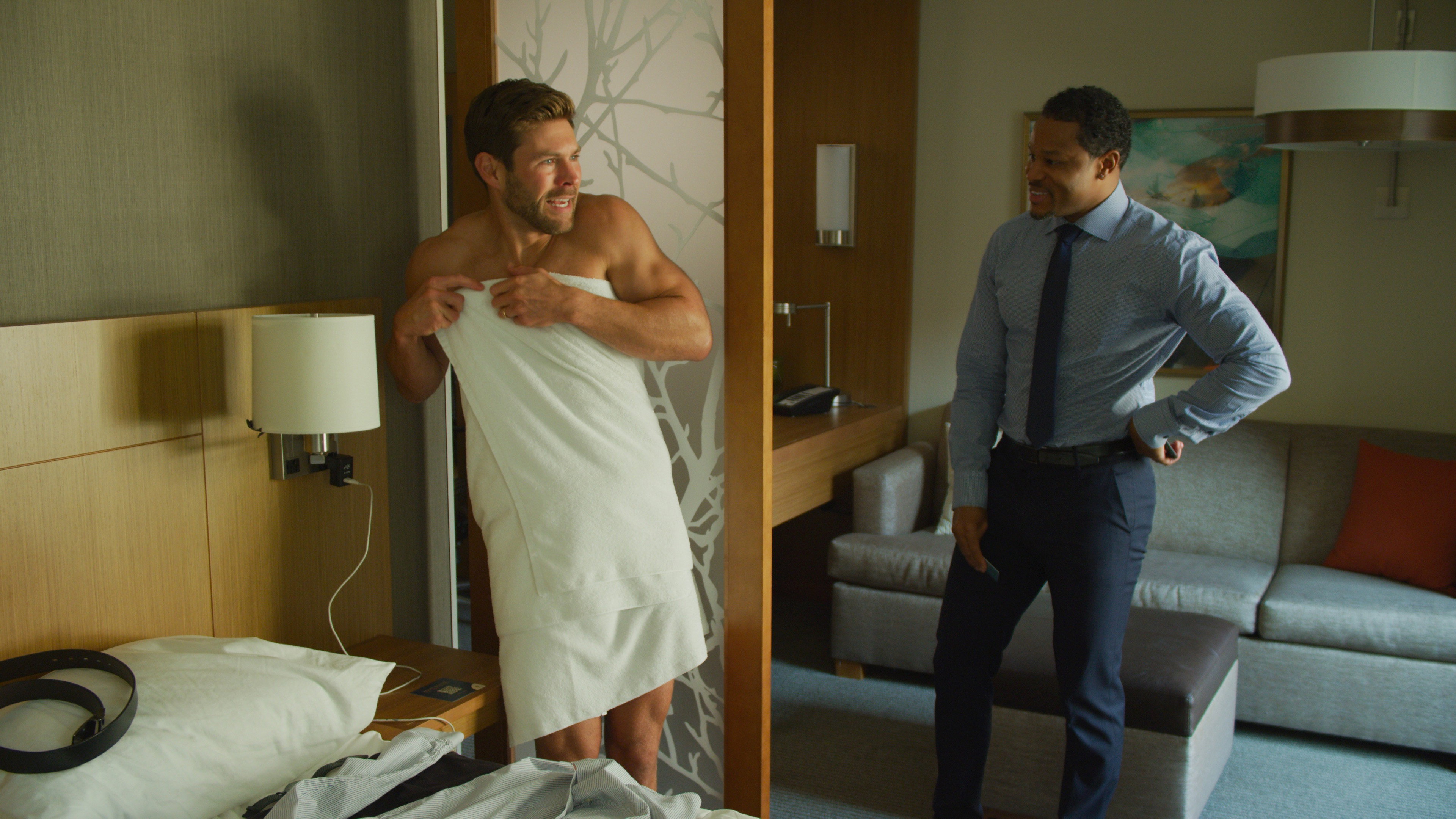



On the brink of divorce, James and Michelle have drifted apart over the years and couldn't be more different. Michelle despairs that they will never fully understand each other. On their 13th wedding anniversary, they wake up to discover they have somehow switched bodies. Unable to switch back, they are forced to understand what the other goes through on a daily basis. In the process, they develop a new sense of respect and understanding for one another and find themselves falling in love all over again.
Why did Māhū, a term once respected in Hawaiian culture, become so controversial?
In order to learn why an arguably outdated fanfic trope was resurfacing in the contact zone of popular culture, I dove into a vibrant trough of character development.
'The Suicide Squad' is at its best when it focuses on its characters and commentary on real-life issues, but stumbles when it relies too heavily on gratuitous gore and insensitive humor.
Asha, the main character, is a biracial woman who discovers the power of magic wishing dust.
Episode 3, entitled “Now in Color,” brings us to the 1970s — a decade full of vibrancy, color, and total mayhem.
At its heart, it’s a fond tribute to an influential artist and thus one that can speak to everyone’s inner artist, even if it lacks the sincere commentary you may wish to see.