












Negative Reactions to ‘Barbie’ Reveal the Pressure of Representation
Apparently, nothing's ever enough. It has its flaws, but does that warrant the amount of criticism 'Barbie' is subject to?

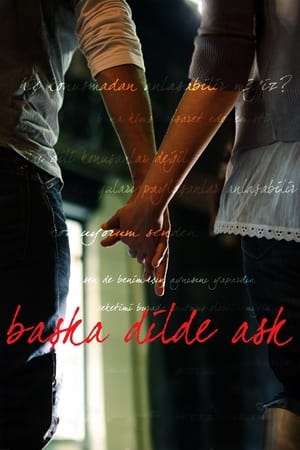


Onur, who has been deaf since birth, works as a librarian. His father had left him and his mother when he was seven, and Onur has always blamed himself for this. Although being able to speak, he has chosen to stay silent because of the pitying looks of the people around him. At his friend Vedat's engagement party, he meets Zeynep, who later finds out about Onur's hearing disability, but is not bothered by it. She is forced by her overbearing father to leave home and gets a job at a call-center. Having to speak on the phone all day to people she doesn't know, Zeynep finds peace with Onur, who she communicates with perfectly without speaking...
Apparently, nothing's ever enough. It has its flaws, but does that warrant the amount of criticism 'Barbie' is subject to?
The Mandolorian has a more nuanced and commentative take on masculinity that refrains from praising the toxic traits associated with the social category, while also showing a more positive and transformative representation of masculine characters.
The film follows the biblical story of Moses, from his time as a prince of Egypt, to a leader for the people of Israel. It’s a film that works brilliantly in animation, and is one that both children and adults can; enjoy despite its religious contexts, it is friendly to general audiences.
Over the last several years, I have had the privilege of being one of the critics having the opportunity to watch and review several films from writer/director/producer Marcellus Cox, whose efforts are never anything less but grounded, relevant, and steeped in unflinching glimpses illustrating the gripping, inspired, and ever-vacillating realms that make up the human condition.
Documented human suffering is never easy to view or read about and is understandably triggering for many people, but it can be educational, and education is a key to change. An overwhelming amount queer people worldwide (and in my own country) have it far worse than I could imagine, and documentaries such as Welcome to Chechnya bring issues to light that certain groups of people would never see.
Housefull 5 attempts something bold with two endings — but does the gamble pay off? Read this spoiler-filled review for a breakdown of both versions, standout moments, and why it might be the franchise’s most forgettable entry yet.