



“Other Mommy” and Deuteronomy
This film’s ambition is betrayed by its lack of substance.
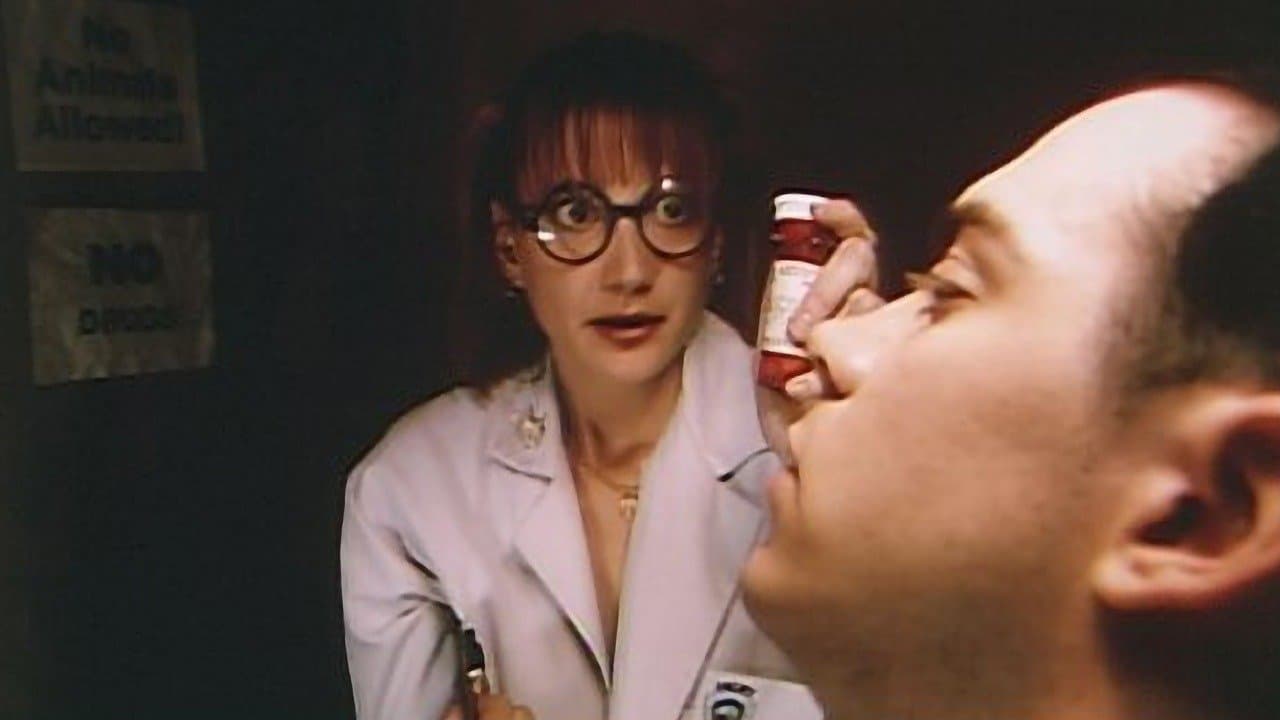
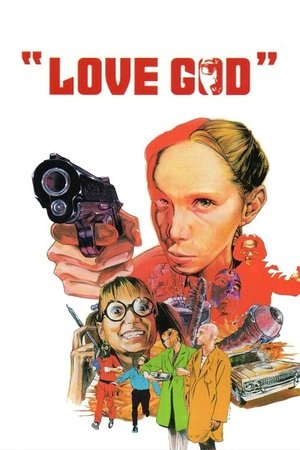


Manhattan, 1996. All mental hospitals must cut their patient load by a third, and LaRue (Will Keenan) is sent out onto the streets with "chronic reading syndrome". He ends up at the Love Hotel (where most of the inmates are being held), and falls in love with a mute girl who's obsessive mother dominates her life. To top it all off, LaRue is given a roommate with Tourette's syndrome and is chased by a prehistoric worm that inhabits peoples bodies and mutates them.
This film’s ambition is betrayed by its lack of substance.
Hustlers was meant to be a film about female empowerment. And it was, to a certain extent. I expected and wanted this to be a kickass and complex film of sexy women who use their confidence, skills, and wits towards a brilliant plan to get revenge on the Wall Street guys who wronged them.
There’s enough evidence to insinuate that What We Do in the Shadows is intentionally queer-coded.
Ever heard of the bad boy type? The type of man who's sexy yet broody, or the type of man who’s dangerous but has a sensitive side? It’s a well-known stereotype that women are attracted to villains. The question is: why are we?
Our trilogy at Seabrook High School starts with a rivalry between zombies and humans who eventually come together.
The biggest highlight of the film is easily the performance of Andrew Garfield. In his days since hanging up his Spiderman suit, Garfield has routinely churned out great performances, and Mainstream is no exception. He proves that he is willing to try anything and go anywhere in a character.