‘Pariah’: An Important and Untold Story of Identity
'Pariah' tells a powerful, mesmerizing, and unflinchingly honest story of identity.



Johann Wolfgang von Goethe (1749-1832) was the author of Werther, the romantic novel that was transformed into a play during Goethe's lifetime and which initiated the whole German romantic movement. The book's story tells of young love and suicide. In this East German film, based on a book by Thomas Mann, Lotte (Lilli Palmer) was the woman who served as the model for the heroine in the novel Werther. She comes to Goethe's hometown for a visit, and her experiences there eerily re-create episodes from the book. Goethe comes across as a pompous old bore, and his friends as pandering sycophants, in this very proper communist party-sponsored, anti-heroic movie.

Egon Günther
Director


Lilli Palmer
Lotte

Martin Hellberg
Goethe

Rolf Ludwig
Kellner Mager
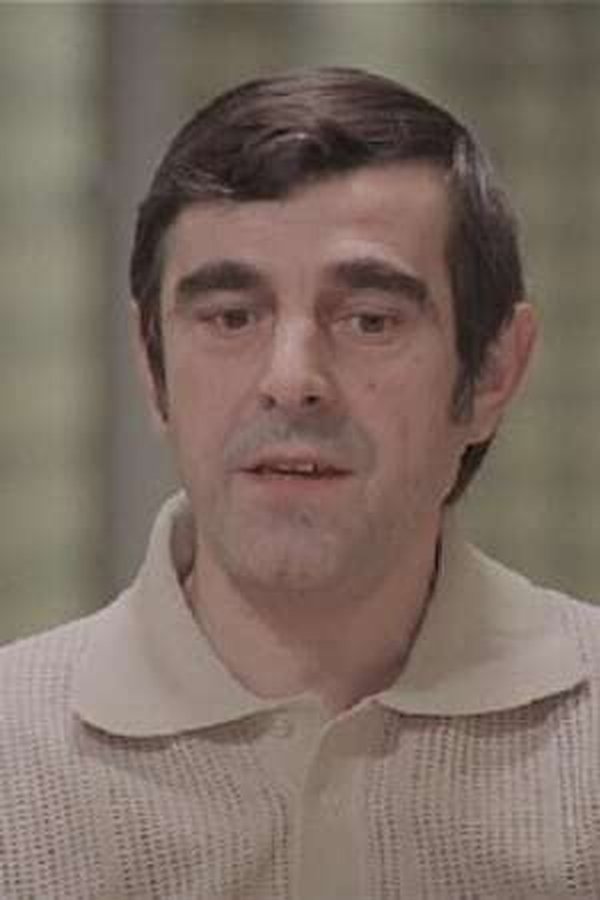
Hilmar Baumann
August Goethe
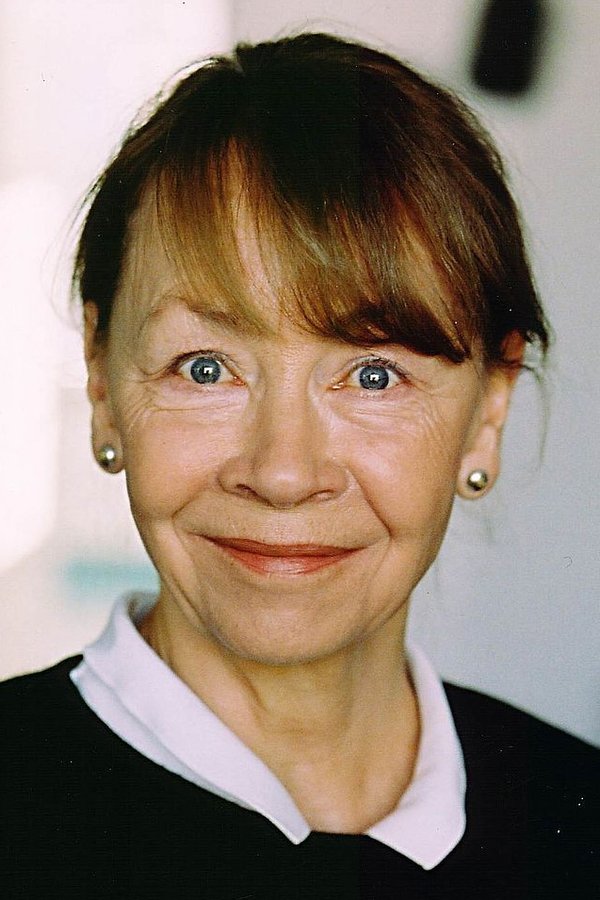
Jutta Hoffmann
Adele Schopenhauer

Katharina Thalbach
Ottilie von Pogwisch
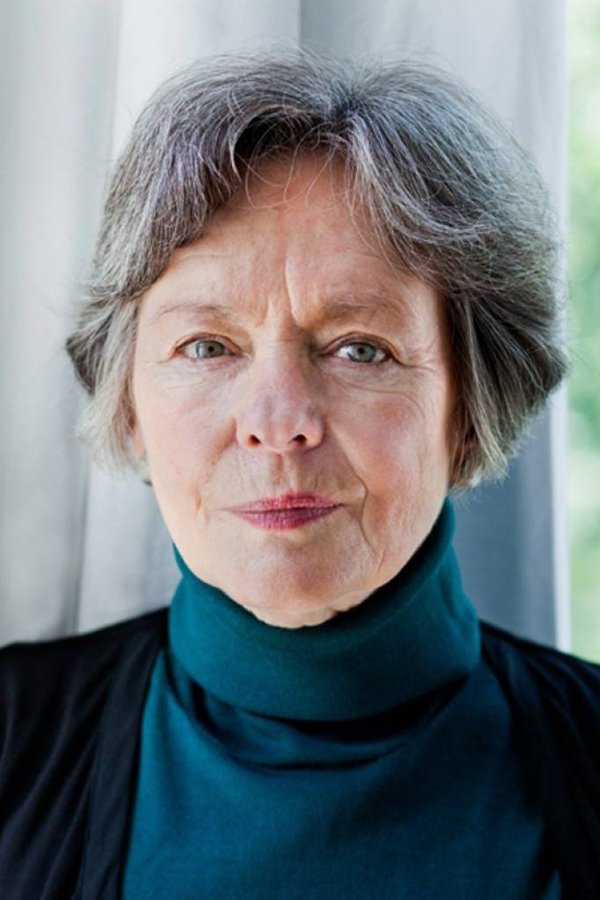
Monika Lennartz
Charlotte, Lottes Tochter

Norbert Christian
Professor Meyer
Hans-Joachim Hegewald
Dr. Riemer

Walter Lendrich
Landkammerrat Ridel

Dieter Mann
Diener Karl
'Pariah' tells a powerful, mesmerizing, and unflinchingly honest story of identity.
Korean culture shines in this Canadian export.
Another uneven "Guess Who's Coming to Dinner" redux that says nothing novel about its subject matter.
We can criticize depictions from old media, but they weren’t simply “good for their time”. They were fighting and struggling in a world we can’t imagine.
Netflix’s new rom-com, Voicemails for Isabelle (dir. Leah McKendrick), isn’t just heartwarming, funny, and an achievement in female directing - it’s also an instant classic. Following 20-something aspiring baker Jill (Zoey Deutch), Voicemails for Isabelle tells a story of grief, self-discovery, and fateful connections. Ever since her beloved sister Izzy’s (Ciara Bravo) death, Jill has been leaving her hilarious, extremely TMI voicemails about her chaotic love life and miserable day job as a prep cook. Little does she know that a handsome and unsatisfied real estate agent in her hometown has inherited the number and practically fallen in love with her by listening to her stories.
In a post-Gamergate media landscape, it's ambitious to have a film confront the harsh reactions to women in gaming from a comedic lens.