Joyfully Chaotic, 'Why Don't You Play in Hell?' is a Must-See
If you enjoy Japanese cinema, absurdly violent action films, gangster flicks, or joyfully strange cinema, 'Why Don’t You Play in Hell?' is a must-see.
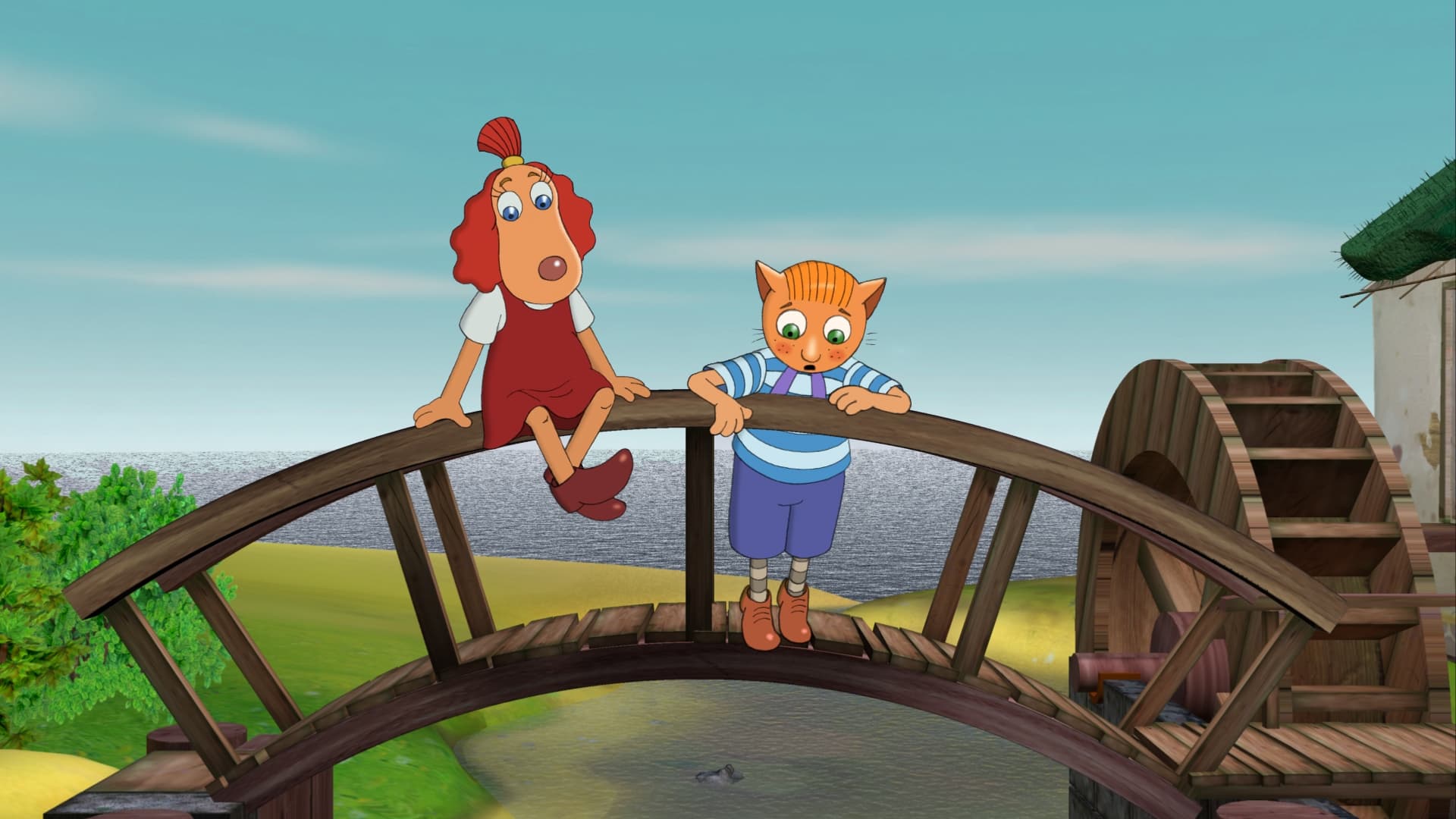
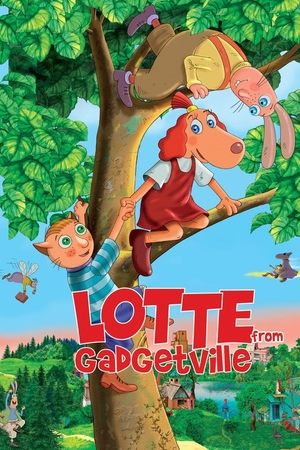


Somewhere in Europe by a great sea stands a small village, where inventing all manner of domestic gadgets is held in great esteem. Every year the villagers organize an annual competition of new inventions. One of the best inventors in the village is Oskar, Lotte's father. His primary rival is Adalbert, whose wife also partakes in the competition. On the eve of the next competition, Lotte and her friend Bruno find a book soaked in the sea, from which Susumu, a gardener from distant Japan, climbs out. Susumu teaches the villagers some judo throws before a big judo competition, which the latter will eagerly use to facilitate their daily lives.

Janno Põldma, Heiki Ernits
Director


Evelin Võigemast
Lotte (voice)

Andero Ermel
Bruno (voice)

Argo Aadli
Albert / Theodor (voice)

Lembit Ulfsak
Oskar (voice)

Garmen Tabor
Anna (voice)

Marko Matvere
Mati (voice)

Piret Kalda
Paula (voice)

Peeter Oja
Adalbert (voice)

Harriet Toompere
Sophie (voice)

Elina Reinold
Susumu (voice)

Mait Malmsten
Jaak (voice)
If you enjoy Japanese cinema, absurdly violent action films, gangster flicks, or joyfully strange cinema, 'Why Don’t You Play in Hell?' is a must-see.
Suppressed intergenerational family trauma and healing, warm welcome to the Marvel Cinematic Universe team, and Awkwafina's humor really make this film the real MVP.
Attack of the Killer Tomatoes: Organic Intelligence is not merely the fourth sequel in a cult classic film about a delicious vegetable apocalypse: it’s a love letter to slapstick, sight gags, and the original 1978 film. It’s also a meta-comedy, spy-thriller parody taking place in a world where the original film series was a documentary about the horrors of the Tomato War that the government covered up by convincing everyone it was a comedy. Taking place in 2026, Organic Intelligence sees genetically modified tomatoes grown out of control and rising up to attack humanity again - luckily, Agent Maria Sifuentes (Myrna Velasco) of the Federal Vegetable Investigation Bureau is there to uncover the corporate conspiracy behind it, and she won’t take no for an answer.
SPOILERS AHEAD. Premature is a story about the pain of love and realities. Transitioning from youth to our perspective of adulthood, how do we grapple with loss?
The newest in a long line of Cinderella adaptations, Amazon’s Cinderella (2021) prizes girlbossification above the very story it tries to adapt.
The Djinn is about childhood traumas and lifestyle changes. It tells the story of Dylan (Ezra Dewey), a mute boy who blames himself for his mom’s death. He also condemns himself for being speech-impaired, and he thinks that if he did not have that condition, everything could had been different.