








'Moonlight': A Retrospective on Barry Jenkins' Masterpiece
Barry Jenkins' masterpiece holds up as the story of a lifetime centered on the intersection of Blackness and gay identity.

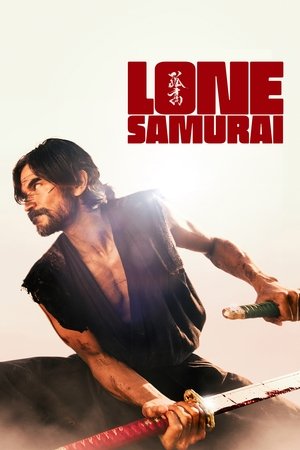


A violent and reckless samurai is shipwrecked on a remote island left without an avenue for his rage. After undertaking a spiritual journey to appease his aggressive thoughts, he finds himself abducted by external demons taking the form of cannibals, putting his sense of reality and deadly talents to the test.
Barry Jenkins' masterpiece holds up as the story of a lifetime centered on the intersection of Blackness and gay identity.
"WHAT ARE YOU WILLING TO SACRIFICE?!!!!" "EVERYTHING!!!!!" This is but one of a multitude of highly emphatic questions, and subsequent answers, being asked in the newest feature film from one of the current masters of horror, Jordan Peele ("Get Out", "Us" and "Nope"). I must give Peele credit in that he continues to push the boundaries of specific genres and their associated tropes in order to provide what ends up amounting to subtly then jarringly intense, yet still character and story-driven, cinema that speaks more to indie stylings than mainstream.
Rather than following in the footsteps of poorly made horror flicks, “The Quiet Place” follows original concept.
Mahershala Ali and Naomie Harris, with an economy of language, but a world of expression, weave us inside this futuristic tale of how your “one true love” may exist in the future in Benjamin Cleary's 'Swan Song.'
This Netflix original series is for animal lovers and fans of light horror series.
What starts off as a success story for a single mother living below the poverty line, slowly begins to weave itself into a tangled web of greed, guilt, and destruction.