“Pressure” Puts on the Pressure
Pressure is an unambiguously great movie, lead by convincing performances, a well-crafted script, good direction, and at least some social awareness.
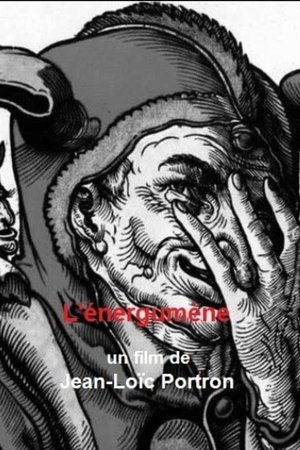


A historical investigation that examines how, at the end of the 16th century, the devilish acts of Marthe Brossier, who claimed to be possessed, led her contemporaries to refine their thinking on the relationship between religion and science, between God and the state. Four historians dissect this plot hatched by ultra-Catholics against King Henry IV at this juncture in history marked by the end of the Wars of Religion and the birth of the state in an unstable society where the difficult genesis of a new world was looming. Our world.
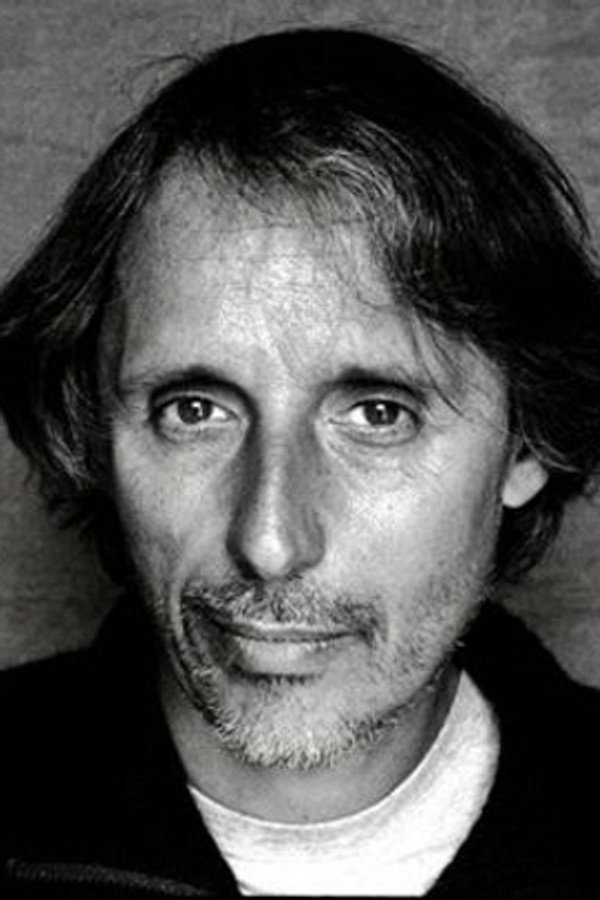
Jean-Loïc Portron
Director


Anna Mihalcea
Marthe Brossier

Mélissa Barbaud
Madeleine Brossier

Thierry Bosc
Michel Marescaut
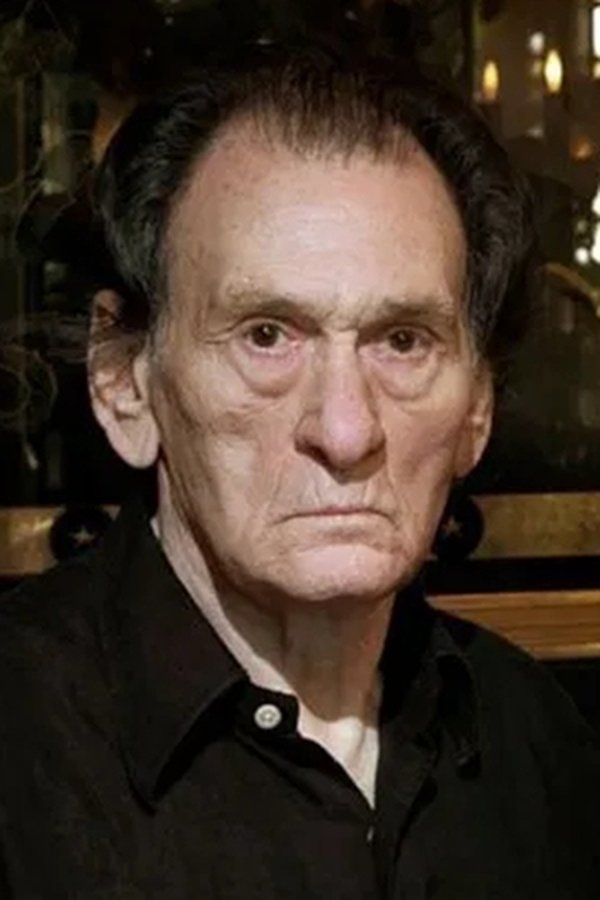
Serge Merlin
Jacques Brossier
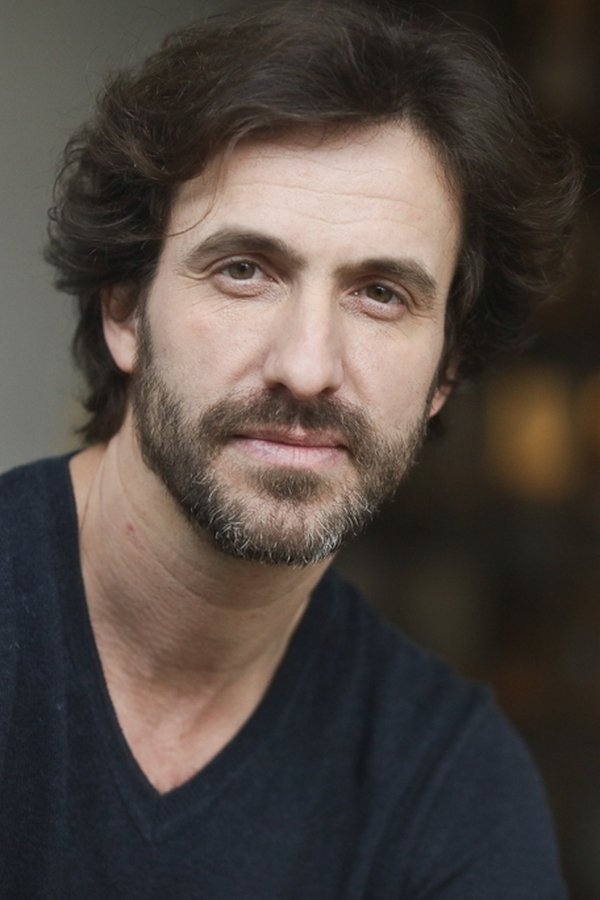
Stanislas Grassian
Bishop Henri de Gondi
Philippe Awat
Alexandre de La Rochefoucault
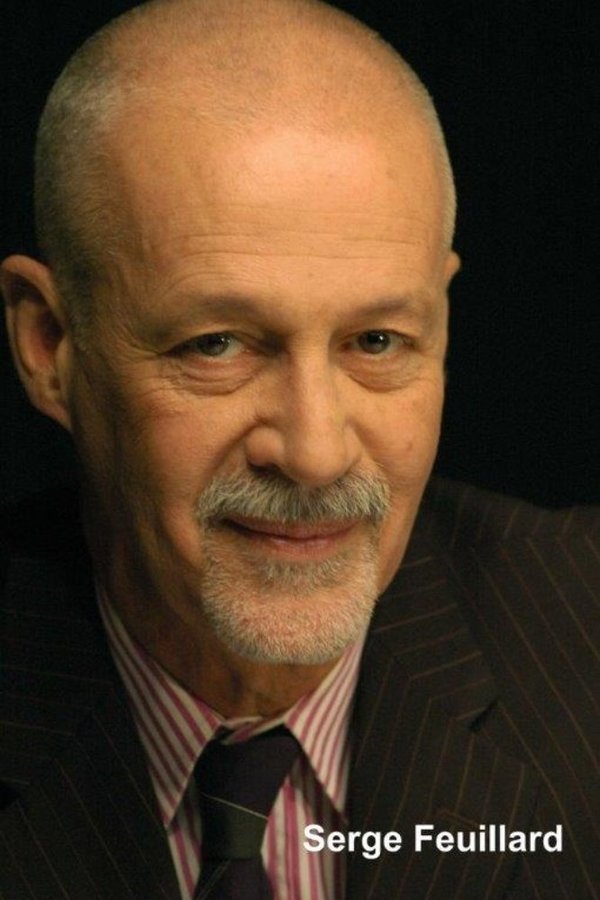
Serge Feuillard
Cardinal d'Ossat

Perkins Lyautey
Exorcist Priest
Thibault Corrion
Benoït de Canfeld
Pressure is an unambiguously great movie, lead by convincing performances, a well-crafted script, good direction, and at least some social awareness.
Curry Barker’s film, Obsession, soars in success this past May leaving everyone who has watched it in extreme chills and disturbance. And taking it to new levels of why men are always the root of horror films even when they try not to be.
Two young girls meet in the same neighborhood unexpectedly as they embark on a new adventure using their imaginations as this movie brings strong representation among women.
I like discovering something new among the old and Tubi has an assortment of horror films from cinema's past for just such an occasion.
Writing great villains is about striking a balance between charming and evil, so we love them but also love to see them lose.
Netflix’s Shadow and Bone has a complicated relationship with race. It has a diverse cast, but not without its problems. Based on Leigh Bardugo’s two book series, the show features characters from the Shadow and Bone trilogy, which is very straight and white, and the Six of Crows duology, which is much more diverse. When bringing together a cast and writing about these characters, the team behind the show expanded upon some of the representation missing from the first trilogy, then seemed to take away representation from the duology. Shadow and Bone seems to play a bit of a push and pull game when it comes to portraying diversity onscreen.