




"Godzilla vs. Kong" is pure, stupid fun
"Godzilla vs. Kong" is all style and very little substance. It's also the most fun I've had in months.
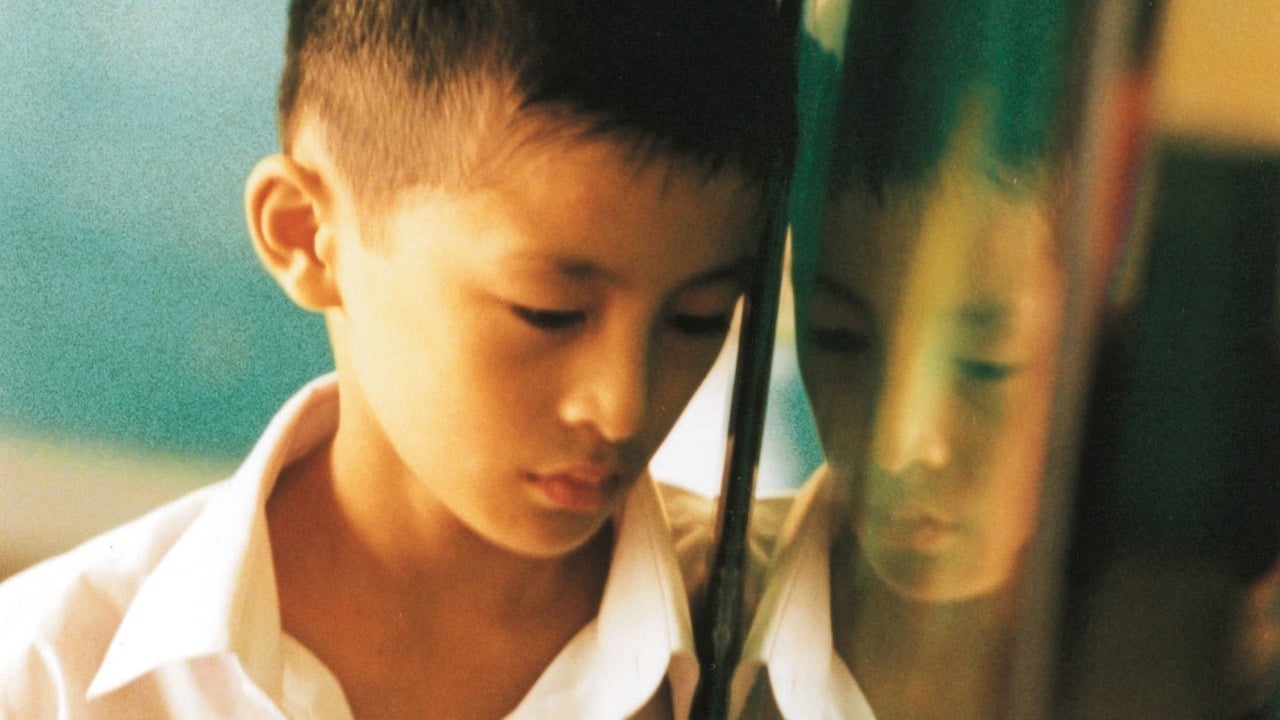
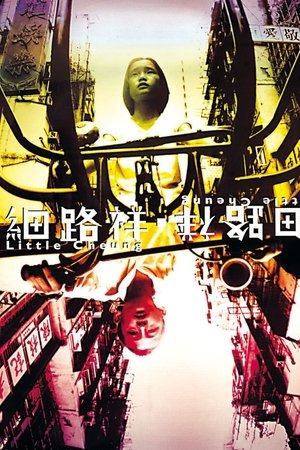


In 1997, Little Cheung is a street-wise nine-year-old boy living in a bustling neighbourhood of Hong Kong, just before the reunification with China.
"Godzilla vs. Kong" is all style and very little substance. It's also the most fun I've had in months.
The tale of the Snyder Cut will undoubtedly go down as one of the most fascinating stories in modern film history. It is one of the rare times that movie fans were able to rally together and champion an issue so much so that it actually came to fruition.
Strangers in a crowd, exchanging glances, looking away, continually managing to run into each other then part ways, end up at the same diner, find they've rented the exact same vehicles, and are then made to travel together to learn once more whether they can both find genuine adoration and companionship again. This really does, in so many words, sum up the foundational gist of of this new feature film from writer Seth Reiss ("The Menu") and director Kogonada ("The Acolyte", "After Yang"). Yet, it's all only the set-up for the REAL wonder of everything that happens before, during, and in the aftermath of a magical, meaningful journey.
Director and writer, Miles Marti, brilliantly created a film that captures the story of a kid that learns a new reality all within the walls of her classroom. Tears Of Knowing lightly steps into the devastation of loss through a childhood lens, and presents a perspective that is not often acknowledged. Though grief and loss are important aspects, the film also showcases excellent portrayals of trust, innocence, and naivety.
We, the Jane Austen aficionados, are suckers for everything and anything under the sun that’s remotely related to her and her world. That’s because we are so drawn to her unique style of fiction, romance, and social commentary, we take any allusion to her influence as a hint to what to expect when we start watching a movie or reading a book.
'The Lost Daughter' doesn't paint over the choices Leda and Nina make as mothers as right or wrong but examines the messy in-between.