

Tubi Halloween Picks
I like discovering something new among the old and Tubi has an assortment of horror films from cinema's past for just such an occasion.
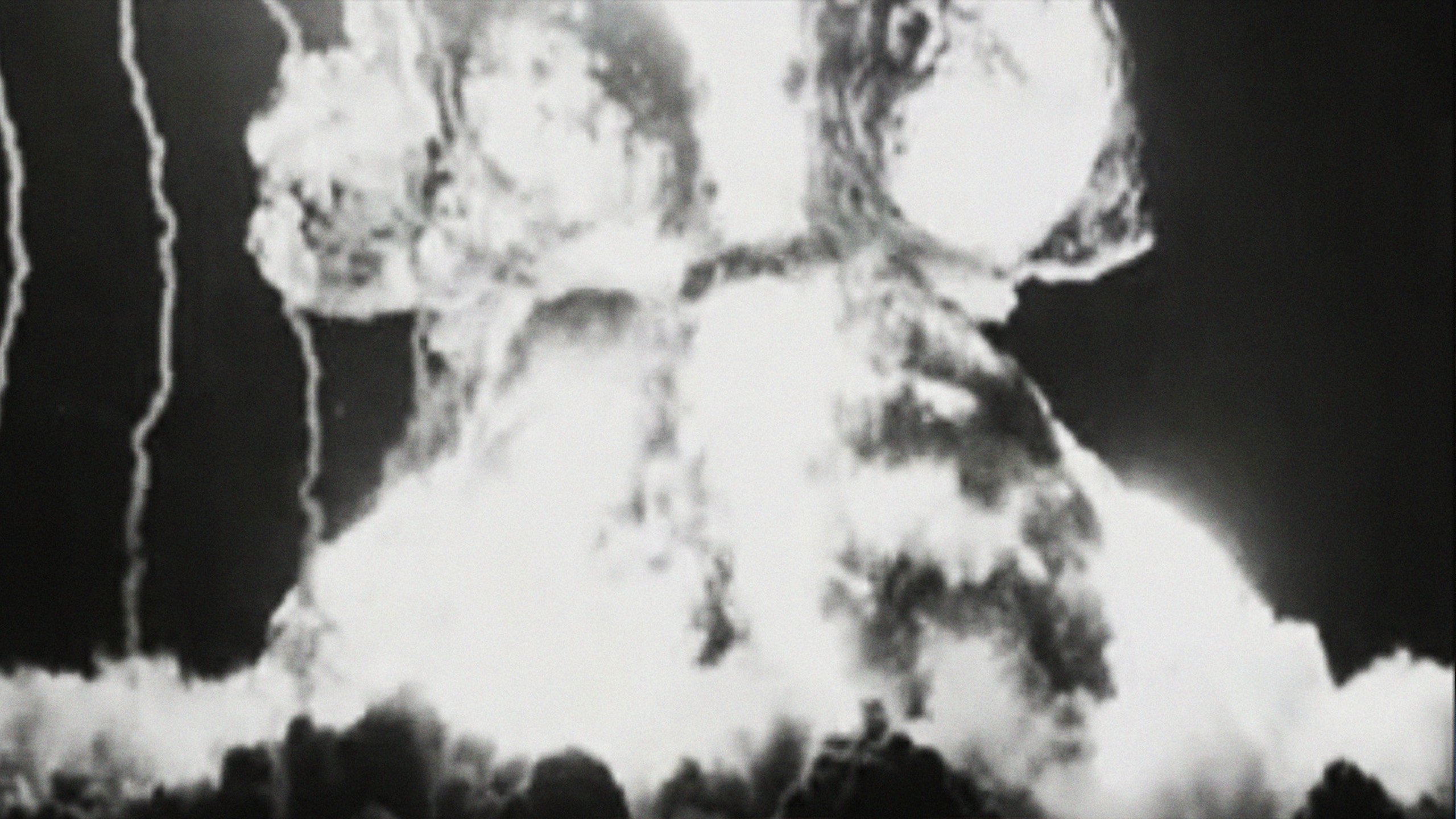



The second installment of Frank Mosley's Perception Trilogy, inspired by Greek philosopher Plato's quote, "We can easily forgive a child who is afraid of the dark; the real tragedy of life is when men are afraid of the light." It is an examination of responsibility during the creation of the Atomic bomb during 1945. Shot on a soundstage to invoke the sense of theater, it highlights a moment in time where innocence is lost and only uncertainty lies ahead. Michael Morse is an anonymous man working for an anonymous sector of the Manhattan Project when he gets two phone calls in quick succession: that the atomic bomb has been completed and that his wife has just given birth to their son at the local hospital. What happens next is a fusing of past, present, and future, interweaving in the head of a man doomed to be the messenger of destruction.
I like discovering something new among the old and Tubi has an assortment of horror films from cinema's past for just such an occasion.
I think that the happiness and survival of "Wynonna Earp"’s LGBTQ+ characters is incredibly refreshing in contrast to the prevalence of queer suffering and death in other television.
The film, which focuses on an Argentinian family during an intimate birthday dinner, efficiently captures the eccentricities of each character as well as the nuances of their interpersonal dynamics.
The Loud House movie follows Lincoln Loud and his 10 sisters taking a family vacation to see their ancestors in Scotland.
Portraying how easy it is to be an ally heavily benefits the majority audience. The more we encourage it, normalize it, and give people the tools to become one, the sooner we can co-exist peacefully.
Cartoon Saloon is an animation studio that should be appreciated more. They tell unique stories with unique animation, proving that 2D animation is still alive and well.