

Once Upon a Time in (White) Hollywood
Tarantino's alternative history of the 1960's uncritically repeats the era's sexist and racist stereotypes.

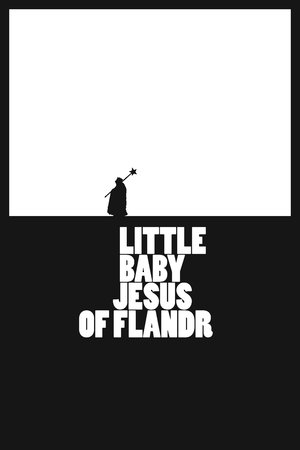


When the three beggars Suskewiet, Pitje Vogel and Schrobberbeeck are tired of their poverty and hunger, they decide to sing Epiphany on Christmas Eve. Their plan is a triumph and they sing themselves rich. On the way back to the pub however, they get lost in the woods and witness the birth of Little Baby Jesus. Bedazzled by this miracle they decide to give away all their gifts. When next year Christmas is around, they decide to sing again. But puzzled by last year experience, they start to quarrel over the gifts. Our three friends fall apart and each go their own way.
Tarantino's alternative history of the 1960's uncritically repeats the era's sexist and racist stereotypes.
Not only does the system prevent upward mobility, but it makes it incredibly easy to slide from comfortably middle class to unhoused.
Barry Jenkins' masterpiece holds up as the story of a lifetime centered on the intersection of Blackness and gay identity.
"King Richard" paints a nuanced portrait of a Black father trying to ensure his daughters’ success in a racist, misogynistic world. Yet, Richard and his kids overcome that fear and adversity to succeed.
For viewers who love eating burgers, shakes and fries on the go along with a tasty side of nostalgia.
The Chronology of Water is a raw, honest, and unforgiving portrayal of how an abusive childhood ripples throughout one’s life. It is definitely the best movie I’ve seen Imogen Poots in. And even though Kristen Stewart has a long acting career for her young age, her directorial skills in this film show a lot of promise. Her feature debut as a director, an adaptation of Lidia Yuknavitch's critically acclaimed 2011 autobiographical memoir, is fully immersive, mesmerizing, and impressive.