

'Riverdance: The Animated Adventure'
The animated musical adventure beings fantasy and magic to viewers as they follow Keegan and Moya.
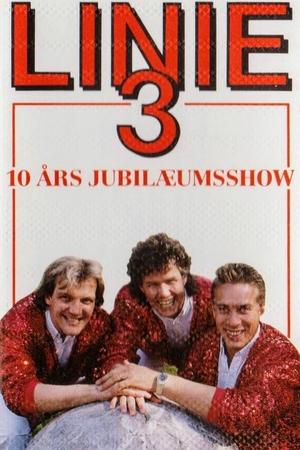


- Compliments: sketch (Tom Dooley; Lise let på tå) - Thank you for coming: sketch (Bamse's birthday; Pass me by) - Evergreens: sketch (Tom Dooley) - Don't sit under the apple tree - Idioms: sketch - I would be delighted to drive (Thanks is just a poor word; Deep in my belly - Deep in my dream; Anders was in Bodil Kjer - Anna was in Anders' heart; We're going on a picnic - Stesolider and 3 weeks of wine) - Strong political, social satire: sketch (Cheap tomatoes; Copenhagen, Copenhagen; Real friends; Alone all week) ACT II - Be my life's companion - Mills Brothers medley (Intro; Opus one; Basin Street blues; Paper doll; Bye bye blackbird) - Band introduction - At the grassroots level (Uh ha da da) - Rock mothers (Pass me by; That's right; The one I love; Venus; Barndommens gade; Venus; Den jeg elsker; Woodoo; Det er ikke det du siger; Ka' du se, hva' jeg sa'; Fy fy skamme; Vi maler byen rød; Side by side) - TV køkkenet: sketch (Galopbanen; Tommy Kenter; Dronning Margrethe)
The animated musical adventure beings fantasy and magic to viewers as they follow Keegan and Moya.
Spoiler Warning
The character of Mulan is one of Disney’s best heroines. She’s brave, kicks butt, and has a kill count. What other Disney character has killed hundreds of Huns by crushing them with an avalanche? No one.
Not only can viewing Not My Dog inspire people to adopt a dog that may be facing tremendous odds, but even that simple action of watching has a social effect.
The Bluff unravels its mystery slowly, opening on the capture of a ship captain named Bodden (Ismael Cruz Córdova) and the swift execution of his entire crew. Then, viewers are treated to a tranquil British settlement in the Cayman Islands in the 1850s, where a mother bakes a coconut birthday cake for her son in a house suspiciously rigged with makeshift tripwires and burglar alarms. As it turns out, that mother is Priyanka Chopra’s quick witted and resourceful ex-pirate Mrs. Ercell Bodden, and her husband’s captors are on the way to the island to hunt her down for abandoning them and stealing their loot. The pirates of the Libertas land on the beaches of Cayman Brac, and the scenes that follow show a Viking-esque slaughter of half the island.
Gotham City Sirens needs a female voice behind the camera. So, on the chance someone from DC films is reading this, here are ten female directors who would be good choices for Gotham City Sirens.