




Once Upon a Time in (White) Hollywood
Tarantino's alternative history of the 1960's uncritically repeats the era's sexist and racist stereotypes.

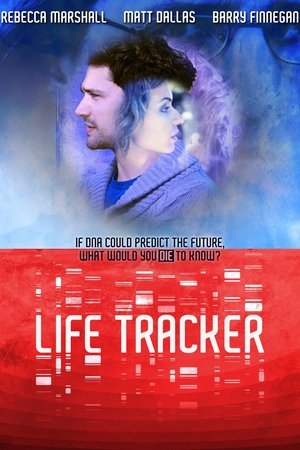


Dillon stumbles on a little known news story about a company called Life Tracker Limited, which claims it has discovered a way to predict biological events in a human's life by looking at their DNA. Everyone views the story as a modern day form of palm reading that will go nowhere, but Dillon keeps turning on his camera when he finds articles on the Internet or hears about it on the news.
Tarantino's alternative history of the 1960's uncritically repeats the era's sexist and racist stereotypes.
The plot could’ve really been interesting if the elements of lycanthropy was integrated with perhaps the struggle of identity of being LGBTQ+. It's an experience for so many that as they’re starting to realizing their true selves, they feel like a monster, especially if they come from unsupportive homes or communities. Instead, the horror and transformation elements seem thrown in without contemplation of how this could deepen the narrative.
I hadn’t heard of it either until recently—and yet, it’s one of the highest grossing movies of all time.
‘Concerto’ is esoteric at best, meant to satisfy the non-melanted’s sense of nostalgia. It is revisionist at worst, cherry-picking images that defy the true tapestry of the human condition.
This delightfully odd horror movie presents a whimsically strange alternate reality to younger audiences.
Its predictability shouldn’t distract from the enjoyment that the pure cinematic imagination behind the camera elicits. It is a movie of crises both moral and mortal, oozing with CGI, and thoroughly enjoyable.