
'The Harder They Fall': This Ain’t Your Grandma’s Spaghetti Western
In Jeymes Samuel's history-infused, neo-spaghetti western, Black women are center stage with a fresh hip hop mixtape keeping rhythm in the backdrop.
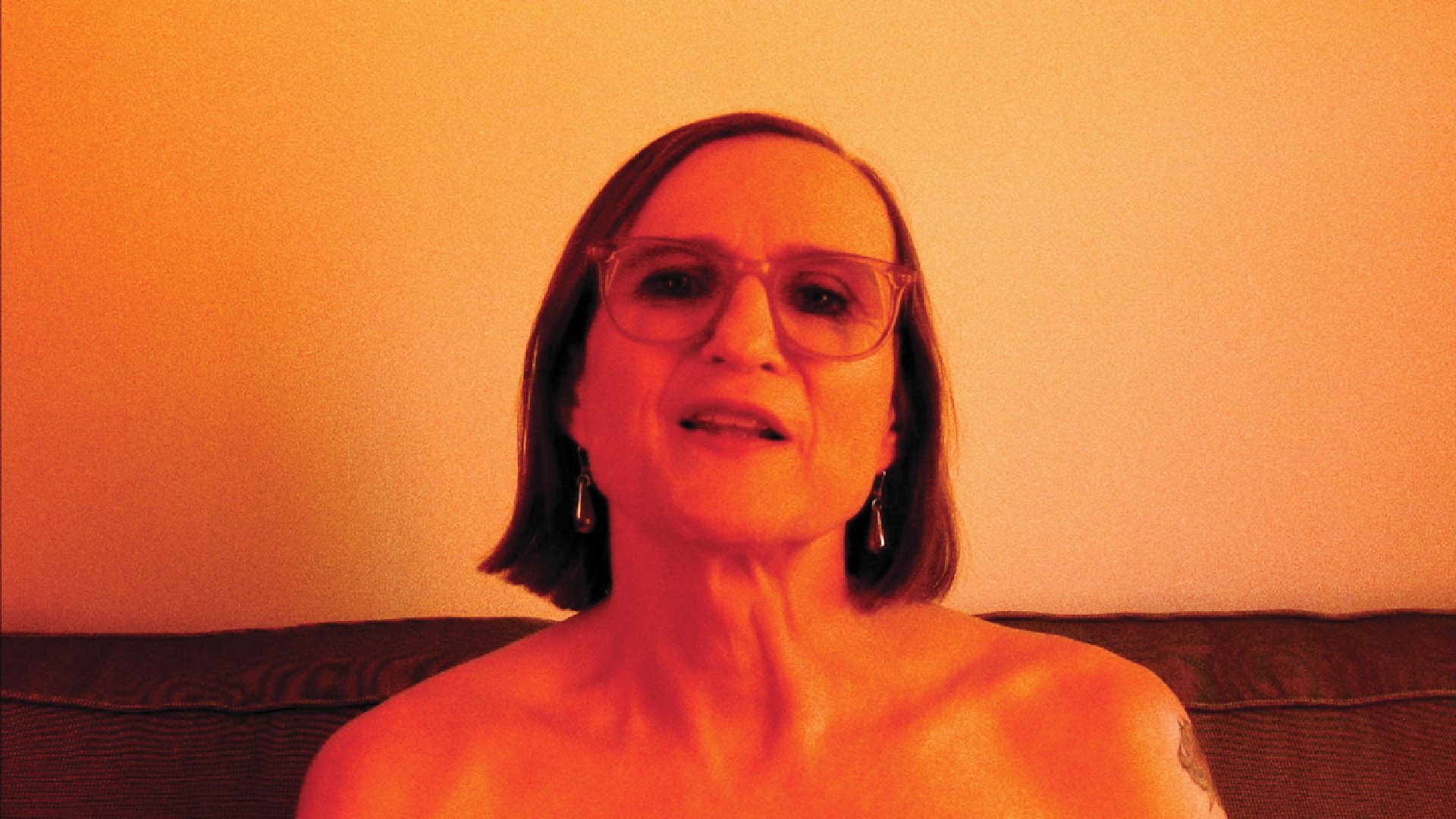
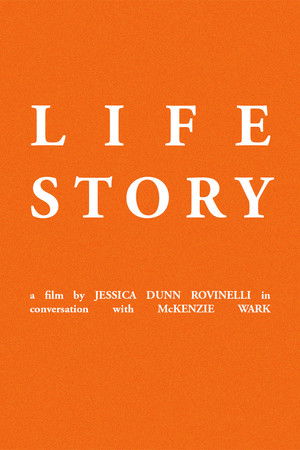


Pairing an original text by philosopher McKenzie Wark (Hacker Manifesto, Raving) with slowly-strobing orange-hued images of her body and domestic life, framed by techno and the most stripped-down version of the rave’s aesthetics, this semi-documentary delicately merges the history of the left with the history of Wark's body as laid bare before the camera. We see the marks of her gender transition and her life story as she speaks of love and lost futures, even as both her own death and the death of the left hover just out of frame. A love story.
In Jeymes Samuel's history-infused, neo-spaghetti western, Black women are center stage with a fresh hip hop mixtape keeping rhythm in the backdrop.
In ‘The Owl House’ protagonist Luz Noceda stumbles across a portal to another dimension where magic exists, called The Boiling Isles.
It’s hard to capture the emotions and thoughts of a character just from a few shots, but Oscar-nominee composer Micachu's haunting melodies prove otherwise in 'Jackie'.
Airplane! (1980) is a fun spoof comedy with lots of laughs, right? I watched this film for the first time the other night. I loved it. Then came the racist jokes.
A direct fall into the white savior narrative
Few movies deal with aging (particularly aging women) with as much compassion as Relic does. Yet it’s not sickly sweet and not a soapbox rant against ageism. Relic simply is, allowing the horror to seep in quietly and carefully.