


Shang-Chi: Mental Health and Healing, Marvel Universe, and Awkwafina Humor
Suppressed intergenerational family trauma and healing, warm welcome to the Marvel Cinematic Universe team, and Awkwafina's humor really make this film the real MVP.

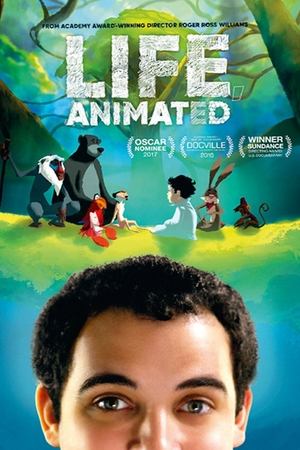


At three years old, a chatty, energetic little boy named Owen Suskind ceased to speak, disappearing into autism with apparently no way out. Almost four years passed and the only stimuli that engaged Owen were Disney films. Then one day, his father donned a puppet—Iago, the wisecracking parrot from Aladdin—and asked “what’s it like to be you?” And poof! Owen replied, with dialogue from the movie. Life, Animated tells the remarkable story of how Owen found in Disney animation a pathway to language and a framework for making sense of the world.
Suppressed intergenerational family trauma and healing, warm welcome to the Marvel Cinematic Universe team, and Awkwafina's humor really make this film the real MVP.
Miley Cyrus makes a revival in this Disney+ documentary on her recent album Endless Summer Vacation.
In 1977, Star Wars changed the world. It took the universe by storm, completely redefining everything everyone knew about movies. But then, in 1980, The Empire Strikes Back changed Star Wars. Sequels were not as well regarded back then as they are today.
Years before Mexican director, Alfonso Cuaron, was winning Academy Awards for movies like Gravity (2013) and Roma(2018), he directed a small, intimate film about two best friends who decide to embark on an improvised road trip to spend time with an older, attractive woman who miraculously agrees to go with them. Y tu Mamá También is a deep journey into the raw sexuality and friendship of the young protagonists, as well as a subtle social and political commentary on Mexico at the time.
At least we got the original cast back, right? Not even that saves it. None of them could bring a sliver of hope to this special. Rather, they bring dread as we witness the light leaving from their eyes.