





'Men' Disappoints with a Flat Examination of Misogyny
Despite its simple premise, “imagine being a woman,” the horror behind "Men" feels fueled by a hollow understanding of the insidiousness of misogyny.
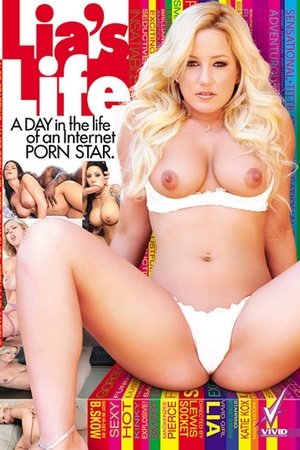


A day in the life of Lia. The camera follows her throughout her day. We go from home, to studio, to office, to a producer's house.
Despite its simple premise, “imagine being a woman,” the horror behind "Men" feels fueled by a hollow understanding of the insidiousness of misogyny.
Knives Out doesn’t just defy the whodunit narrative, it uses the weaknesses to its advantage. It’s well aware of the genre’s faults and tropes
"Black Widow" has strong female characters but sidelines its title character and serves as a launchpad for her successor, Florence Pugh's Yelena.
This animated movie focuses on Nick Daley, the son of Larry Daley, as "Kahmunrah Rises Again."
White audiences saw Peola’s mixed-race passing as a Black woman’s struggle to be white. Black audiences saw it as the rebellion of a Black woman trying to gain privileges only given to white people.
The social issues The Half of it takes on are handled well, between the antagonization brought on to Ellie for her race and the conflict that arises from her being gay. Both aspects of her character are built up over the course of the film and don’t seem abrupt or rushed. The film shows racism towards Ellie and her and father in varying levels, from having her schoolmates specifically address her as "Chinese girl” to the fore mentioned way her Dad is treated due to language barriers. The same can be said about Ellie being a lesbian. While she never truly “comes out” in the narrative, that does not undermine her journey of self-discovery from being meaningful. These ideas aren’t thrust upon the viewer in a preachy manor, the scenarios that occur feel believable given the rural setting. The film presents watchers with problems whom those like Ellie may face, and leaves us to sit with them and reflect.