





Early Feminism Shown in 'Footlight Parade' (1933)
We can criticize depictions from old media, but they weren’t simply “good for their time”. They were fighting and struggling in a world we can’t imagine.
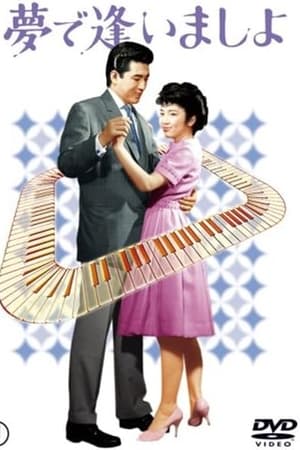


Mie Nakao runs away from home to join her older sister's production company as a new talent. We follow her ups and downs on the way to stardom as she falls in love with two men, a petty thief and a music writer and teacher, and makes her way in the industry alongside The Peanuts and The Crazy Cats.
We can criticize depictions from old media, but they weren’t simply “good for their time”. They were fighting and struggling in a world we can’t imagine.
Despite the film’s efforts to reframe its heroine with modern complexity, a certain emotional distance lingers.
Hiring bias is something that's rampant in all industries (even unconscious bias). But writing a script totally neutral not only opens the door for more diverse actors, but also for characters that are people first.
Adam McKay might have been more concerned with cramming cameos than he was in this story which is a bloated criticism of the rich and famous… delivered unto us by the rich and famous.
The French-born director Laure de Clermont-Tonnerre’s strategic choice to entrust the interpretation of a conventional, feminine character to a non-binary actor pays off: Corrin’s Lady Chatterley is awkward, edgy, and uninhibited at the same time.
A refreshing twist is that all the kids’ powers are…kind of useless. There’s a kid who can only move in slow motion, a kid who has every power in the world but can only use them randomly, and our main character Missy who has no powers at all. The thesis of the film seems to be that it doesn’t matter what kind of powers you have, its the way you use them, which is good for the warm and fuzzies.