"Sonic The Hedgehog": Gotta Go Fast
Sonic is a pretty generic buddy comedy with a light dusting of eccentricity.




An adaptation of the successful stage musical based on Victor Hugo's classic novel set in 19th-century France. Jean Valjean, a man imprisoned for stealing bread, must flee a relentless policeman named Javert. The pursuit consumes both men's lives, and soon Valjean finds himself in the midst of the student revolutions in France.

Tom Hooper
Director

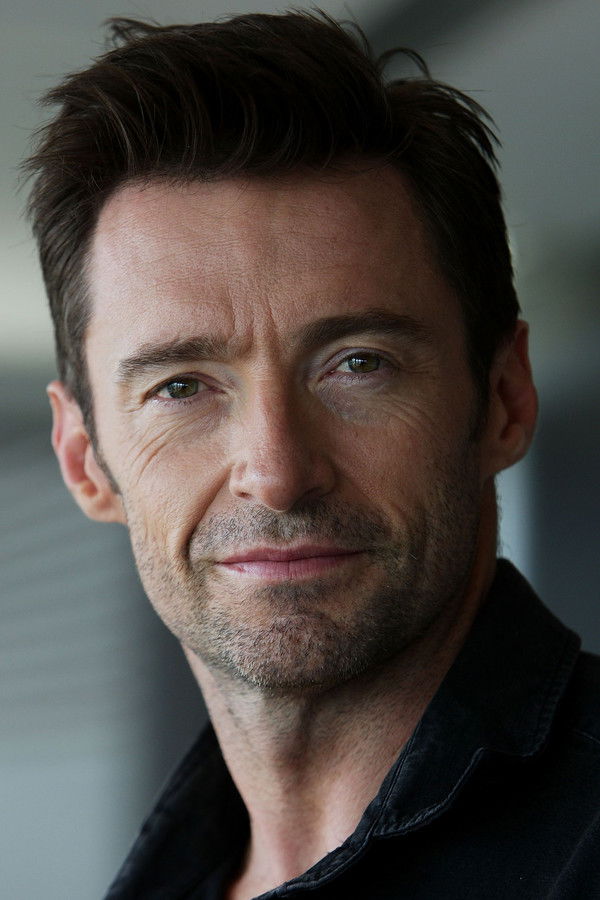
Hugh Jackman
Jean Valjean

Russell Crowe
Javert

Amanda Seyfried
Cosette

Anne Hathaway
Fantine

Eddie Redmayne
Marius Pontmercy
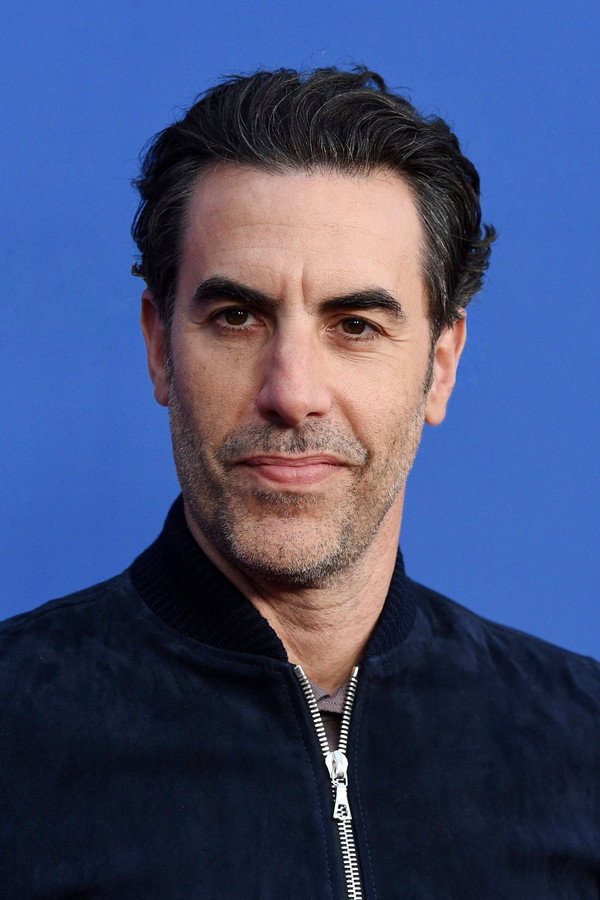
Sacha Baron Cohen
Monsieur Thénardier

Helena Bonham Carter
Madame Thénardier

Aaron Tveit
Enjolras

Samantha Barks
Éponine Thénardier

Daniel Huttlestone
Gavroche

Fra Fee
Courfeyrac
Sonic is a pretty generic buddy comedy with a light dusting of eccentricity.
Anna May Wong was a talented actress and a fashion icon and still had to fight for everything she had due to hatred and racism.
Despite being an over-talked-about piece of media, 'Euphoria' has some interesting articles about it with personal angles that oppose the average tendency to be generic.
When you first hear that there is a series on Netflix where the lead character’s wife dies from cancer and he becomes dangerously suicidal, you wouldn’t immediately assume that it’s a comedy.
It's sexy, regardless of what else is going on.