



Dead Poets Society Steals a Queer Story
Dead Poets Society relies on patriarchal tropes such as overbearing fathers, contrived brotherhood, and faux-individuality in order to portray its straight white male characters as oppressed.
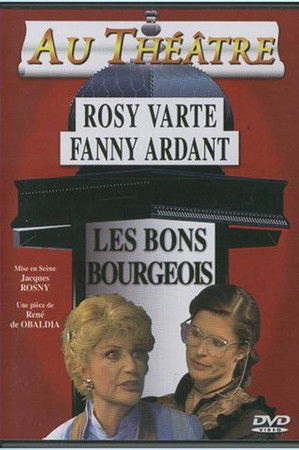


In May of 1968, a well-off family from the XVIth district in Paris lives through the revolutionary fever of the Latin District in its own idiosyncratic way. The play harks back to Molière's plays 'Femmes savantes' and 'Précieuses ridicules'
Dead Poets Society relies on patriarchal tropes such as overbearing fathers, contrived brotherhood, and faux-individuality in order to portray its straight white male characters as oppressed.
“Nobody 2” is the kind of sequel you expect to roll your eyes at—and then end up grinning through the whole thing. Bob Odenkirk proves once again that an ordinary-looking guy can be the most entertaining action hero alive, battling cartels with harpoons, deep fryers, and pure chaos. Toss in Sharon Stone as a delightfully over-the-top villain, and you’ve got 89 minutes of wild, joyful mayhem that reminds you why going to the movies is just plain fun.
The quiet ache of guilt sitting at the dinner table, the silence after a truth is buried, and the way pain is passed down like a name.
In ‘The Owl House’ protagonist Luz Noceda stumbles across a portal to another dimension where magic exists, called The Boiling Isles.
This current year, as well as the past several, has seen a slowly building increase in something the horror genre has required for quite a while in this critic's opinion...originality. I've stated before that I am very hard to please when it comes to this vein of the film industry's offerings, always leaning more towards that which sends chills through my very being in lieu of buckets of blood and gore.
Films about casinos have long been a favorite of Hollywood. This is unsurprising, as they're often tied to magnetic characters whose lives revolve around luxury, spectacle, and even danger.