






‘También la Iluvia’: A Lesson in Shallow Representation
'También la Iluvia' exploits Indigenous peoples' fight against the privatization of water in order to tell a story about Spanish characters.

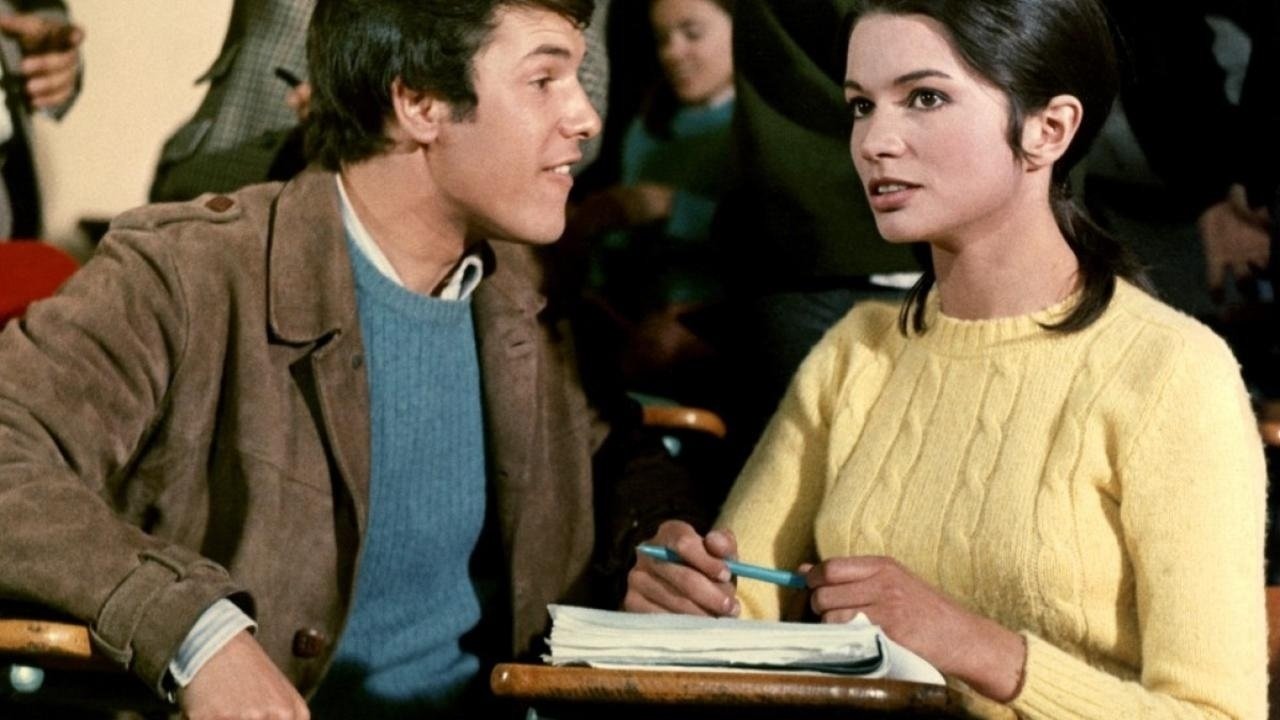
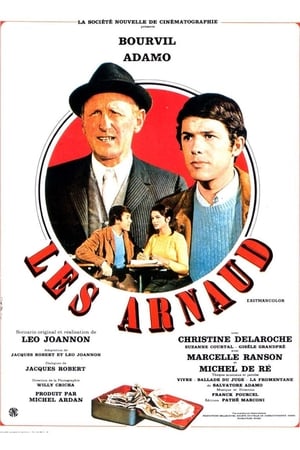
In the sunny landscapes of Provence, Henri Arnaud is a conscientious law student who's got a lovely girlfriend, Tina. The person who used to pay for his studies dies and the poor young man's disposable funds are low. He asks an antique dealer if he can lend him some money. This shady guy agrees, but in return for homosexual relations. Henri kills him and runs away. Fortunately, a good judge, who bears the same name as him, comes to his rescue.
'También la Iluvia' exploits Indigenous peoples' fight against the privatization of water in order to tell a story about Spanish characters.
The sequel following The Son of Bigfoot explores Adam's conflict of discovering his true identity as he tries to save a wildlife preserve.
'Legally Blonde' remains a standard of feminist filmmaking over two decades after its release, although its poor treatment of racial and sexual minorities make it a product of its time.
For the entirety of Raiders of the Lost Ark, Marion remains in full control of both her body and her personality, a rarity for female characters at the time of the film’s release. She’s granted depth with personal demons from her past and emotional vulnerability when the situation deems it appropriate for her to grow alongside Indy. She avidly rejects the notion of being anything other than a sassy, humane rebel, and Indy’s equal in every way. This she does while still maintaining her femininity.
A brave Indian woman rises from an oppressive background to become an inspired leader for women and men alike around the globe.
A boy named Max experiences adventure within his own house while staying home alone.