


Taylor Swift: Reputation Stadium Tour
Taylor Swift dazzles many fans with remixes of her country and pop singles in her Reputation Stadium concert tour, becoming a successful concert film.
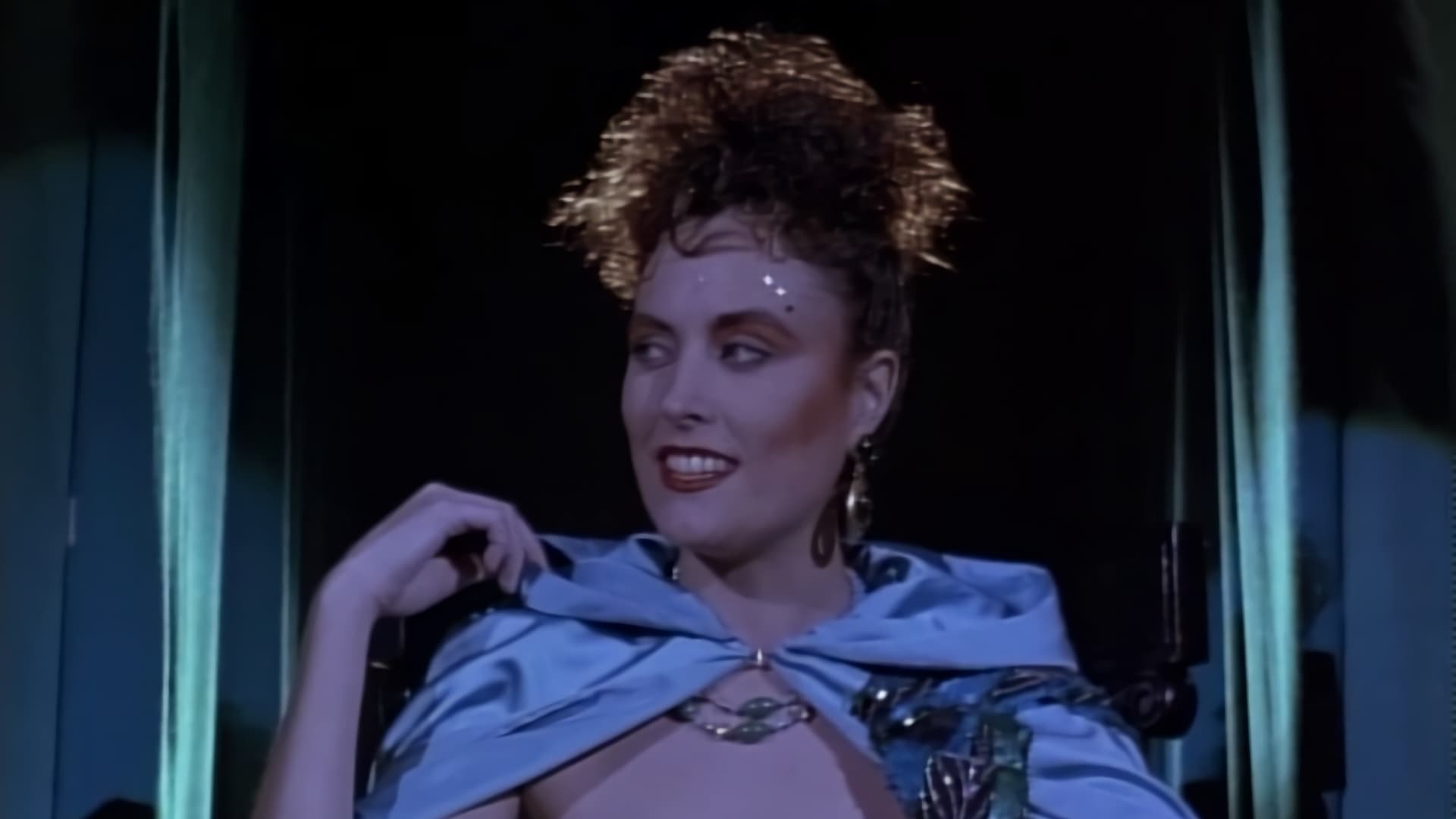
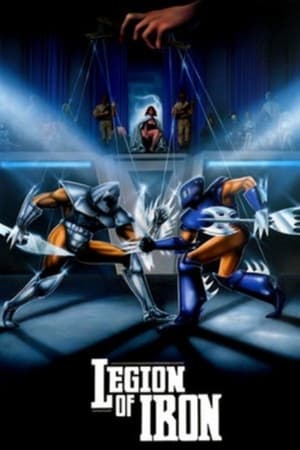


It's an ordinary date night for Billy (Kevin T. Walsh) and Alison (Camille Carrigan) until mysterious forces whisk them away to an underground arena, where Billy must fight other captives for the wagers of wealthy men and the pleasure of Queen Diana (Erika Nann). When he's not battling for his life or protecting Alison from Diana's lecherous bodyguards, Billy attempts to rally his fellow slaves into a full-blooded revolt.
Taylor Swift dazzles many fans with remixes of her country and pop singles in her Reputation Stadium concert tour, becoming a successful concert film.
How closely does an actor need to resemble a character or historical figure in order to portray them on the Silver Screen? Seems to depend on color.
Honey Don't! is a chaotic queer noir that's part detective story, part midnight movie madness. Margaret Qualley is fantastic as the wise-cracking private eye Honey, with Aubrey Plaza and Chris Evans adding their own dry humor to the mix. The mystery itself is pretty loose, but the film makes up for it with crackling sexual tension, weird side characters, and razor-sharp dialogue. It's messy and uneven, but in the best possible way.
In Tall Girl, Jodi learns to stand tall and find confidence within.
The social issues The Half of it takes on are handled well, between the antagonization brought on to Ellie for her race and the conflict that arises from her being gay. Both aspects of her character are built up over the course of the film and don’t seem abrupt or rushed. The film shows racism towards Ellie and her and father in varying levels, from having her schoolmates specifically address her as "Chinese girl” to the fore mentioned way her Dad is treated due to language barriers. The same can be said about Ellie being a lesbian. While she never truly “comes out” in the narrative, that does not undermine her journey of self-discovery from being meaningful. These ideas aren’t thrust upon the viewer in a preachy manor, the scenarios that occur feel believable given the rural setting. The film presents watchers with problems whom those like Ellie may face, and leaves us to sit with them and reflect.
Perhaps the most amazing and groundbreaking quality about The Birdcage is how removed it is from both illness and insensitivity. Whereas films preceding it were often somber stories about the tribulations of being gay in a conservatively straight world, Nichols and screenwriter Elaine May expose the fallacies of conservatism as traditional values are thrown into a more open-minded space. They don’t care how far the community has fallen so much as how high they can rebuild themselves.