



A Closer Inspection of LGBT Characters in Film
We have a long way to go with LGBT representation in film, especially when it comes to LGBT characters of color and trans characters.
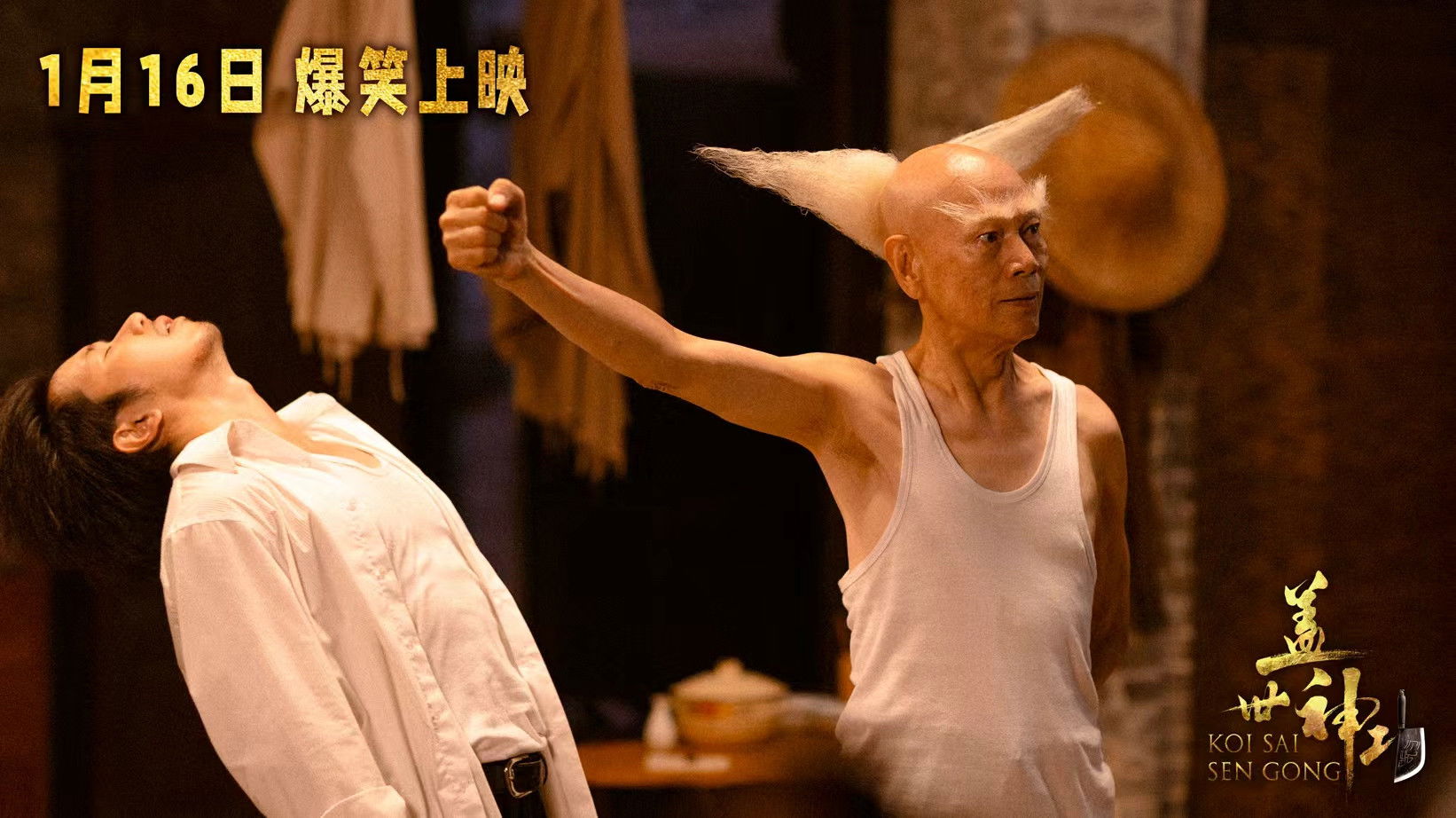
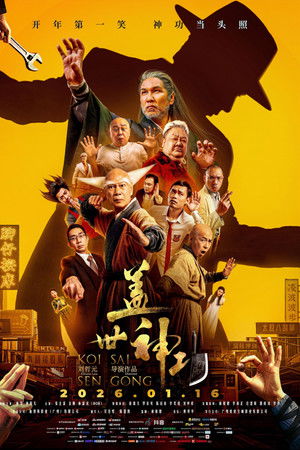


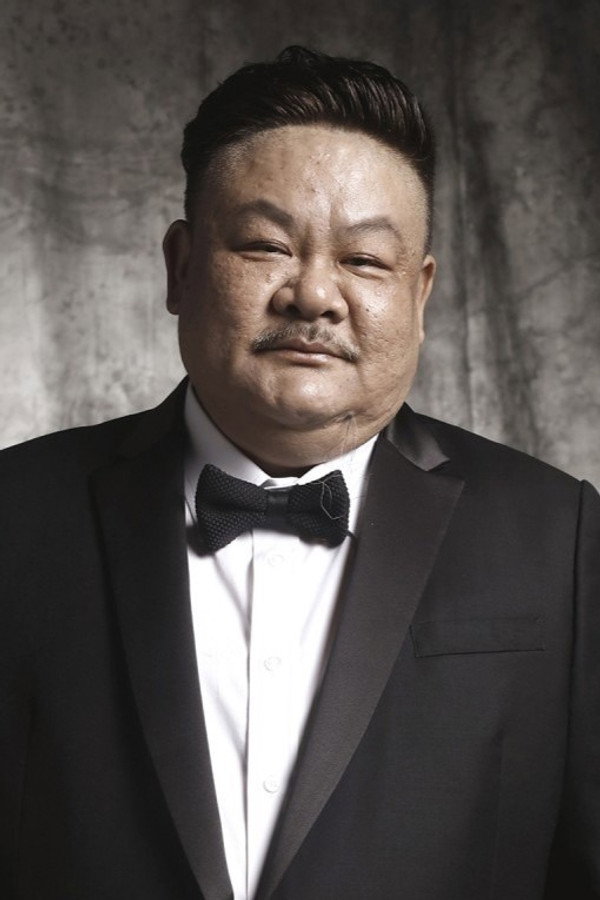
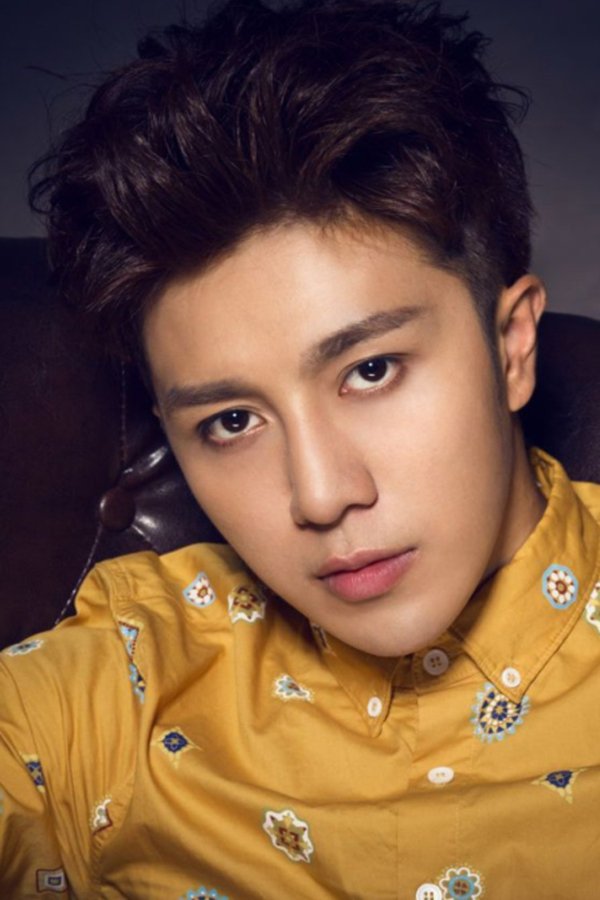
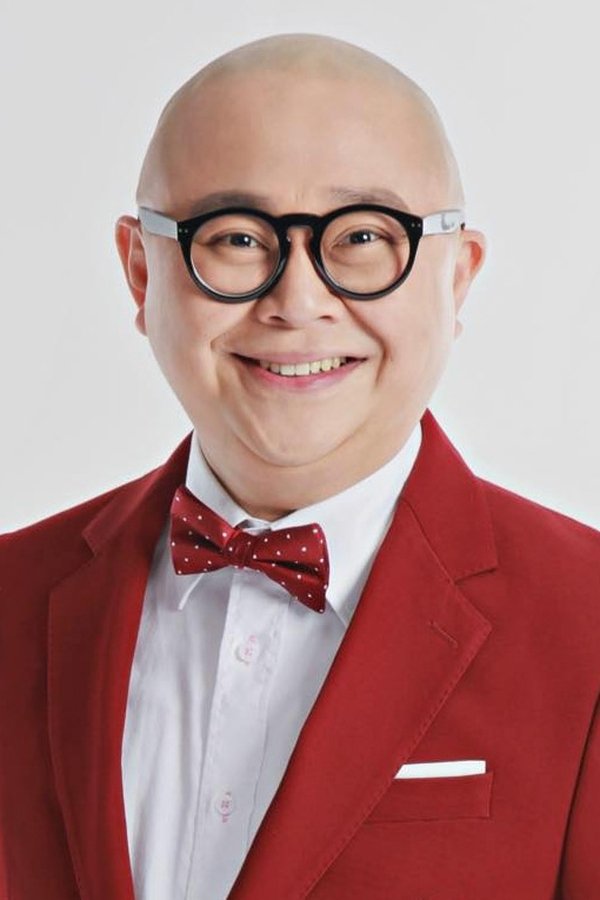
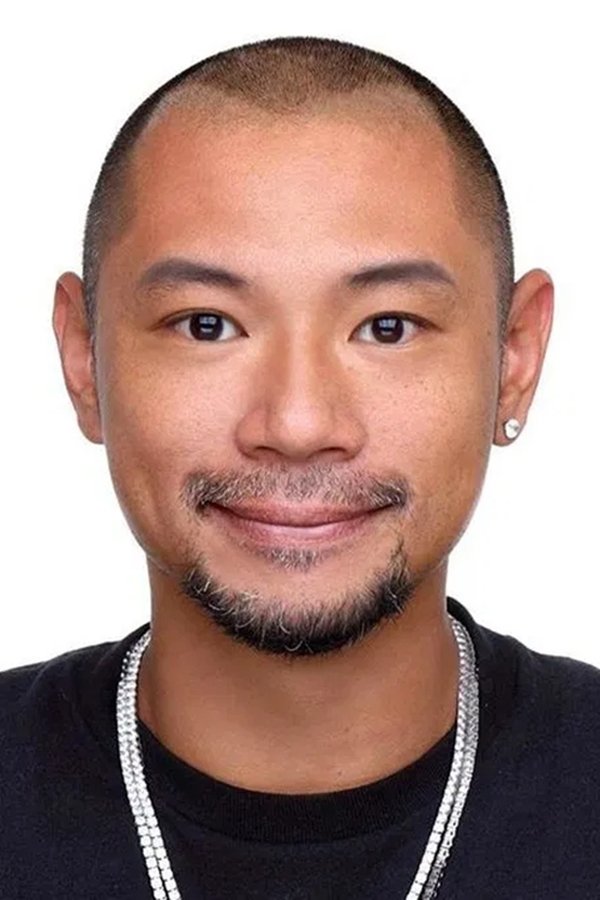
n the 1970s, Hong Yingzhen is born into the martial arts family of the Hong Blade Sect in the Chinatown of H Country. Yet despite his lineage, he grows up achieving nothing of note and is mockingly labeled a “good-for-nothing” by those around him. By chance, Hong Yingzhen reunites with an old classmate, Bao Dian, and is introduced to Brother Bao, the leader of the Zhongxiao Hall, unwittingly becoming entangled in a dangerous conspiracy. Meanwhile, the reclusive martial arts master Wuchen sees through Hong Yingzhen’s mediocrity and recognizes him as a hidden prodigy. Wuchen unlocks his blocked meridians, setting his true potential free.
We have a long way to go with LGBT representation in film, especially when it comes to LGBT characters of color and trans characters.
Growing up without a dad, I got a lot of my fatherly advice from the prototypes I saw on the silver screen. It’s these characters and films that gave me a glimpse into a dynamic I had never known but also made me realize that I was missing out. Here are my top 10 paternal films.
The death of Grace's father brings challenges as the family tries to preserve their ranch.
Twisting what seems to be obvious setups and frameworks is what sets the story structure of Squid Game apart. I appreciate that this narrative is complex but not complicated; an easy enough plot to wrap your head around while still treating the audience like an equal participant in this social commentary
Villeneuve’s Dune is a masterpiece for its crafting process, but references to David Lynch's picture are sometimes too obvious.
For anyone who is not a cis white woman, a justice-fueled murderous rampage is not framed as liberation. Instead, they contribute to harsh stereotypes that vilify minority women with dangerous consequences.