







‘The Wrong Missy’ is a Miss
The characters aren’t likable, the story is predictable and the humor is either disgusting, obnoxious, or uncomfortable. The Wrong Missy is a mess of a film and it’s not really worth your time.
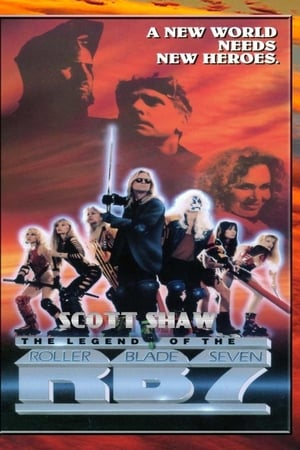


In a post-apocalyptic world where rollerblading is the chief means of travel, the evil Pharoah sends his minions outside the Wheel Zone to abduct a psychic. The psychic has been trained in the way of the samurai, but has shunned her training to become a Passive. Once abducted, her brother joins forces with others to try and rescue her, but they face many challenges from the Dark Side.
The characters aren’t likable, the story is predictable and the humor is either disgusting, obnoxious, or uncomfortable. The Wrong Missy is a mess of a film and it’s not really worth your time.
Disney+ recently released six short films entitled the “Launchpad” collection in which diverse directors tell diverse stories. These shorts are exactly the kind of films we here at Incluvie want to see more of. These are stories of intersectionality, inclusion, and diversity. And every short stars a cluvie!
We're making today a perfect day for you, and for everyone.
The Fog follows more of a 1950s creature feature plot than a late-70s slasher with three legendary scream queens.