
"East Side Sushi"
When Juana tries real sushi for the first time, she is immediatley smitten by it and discovers a passion she never knew she had.
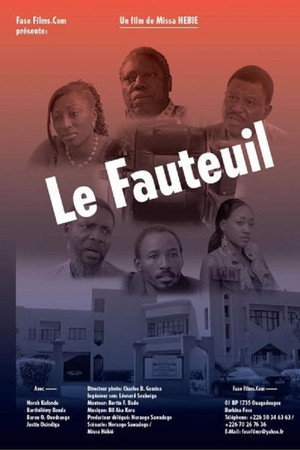


Ms. Ouedraogo discovers social prejudices and the difficulty of balancing her roles as a mother and model wife when she becomes the new CEO. Issues such as favoritism, sexism, corruption, and influence peddling are addressed in no particular order. Confrontation and presentation of attitudes still deeply rooted in a changing Africa...
When Juana tries real sushi for the first time, she is immediatley smitten by it and discovers a passion she never knew she had.
In Spike Lee’s She’s Gotta Have It (1986), we follow the love life of powerful female protagonist Nola Darling (Tracy Camilla Johns) and explore the relationship dynamics she has with her partners. She sees three men simultaneously: Greer Childs, (John Canada Terrell) Mars Blackmon (Spike Lee), and Jamie Overstreet (Tommy Redmond Hicks). Though an 80’s film, She’s Gotta Have It is surprisingly progressive with its themes of female sexuality, although at some points in the film it is handled clumsily. Overall Nola is an incredibly compelling character especially for modern women, as we as a society acknowledge female sensuality more and more without the negative stigma.
“I’m always interested in exploring female fantasy, and the sexy witch is a loaded archetype that is simultaneously about men’s fears and fantasies about women, and women’s feelings of empowerment and agency. So whereas we are used to seeing the sexy witch or the femme fatale from the outside, I wanted to explore her from the inside.” - Anna Biller, on why she made The Love Witch
Middle school best friends reunite in middle age - Magalie is a chaotic free spirit “freeloader”, Blandine is a divorcée “sourpuss” with severe depression. The Palm Beach Film Festival opening night was glamorous for “Two Tickets to Greece”, the first screening of the French film in the United States.
By depicting 4 different stories, Director Sergio Tovar Velarde keeps the focus on the shared humanity and search for love (both self and romantic) of various gay Mexican men.
It was always people for Joe, and he ultimately found them at the end of a long, painful, yet illuminating quest for self-discovery outside of one, confident constant - his bisexuality.