


A Closer Inspection of LGBT Characters in Film
We have a long way to go with LGBT representation in film, especially when it comes to LGBT characters of color and trans characters.

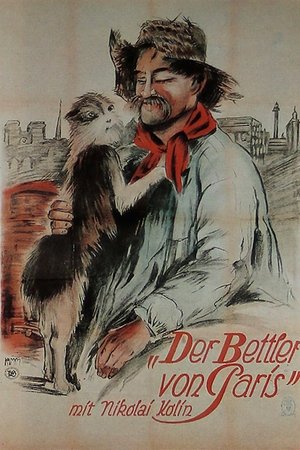
Paris, under the reign of King Louis-Philippe. Jean, a rag-and-bone man, witnesses a murder. The victim begs him to adopt little girl Marie Didier. 20 years later, in 1846, she has grown into a beautiful young lady and works as a seamstress. One night, she is taken to a party where she is insulted by the nasty Baron Hoffmann because she was wearing the dress she had made for his daughter. Dashing Henri de Berville takes her defense.
We have a long way to go with LGBT representation in film, especially when it comes to LGBT characters of color and trans characters.
The film seems like an extreme interpretation of the conspiracy theorists that exist in real life. And then, there’s the twist.
The Loud House movie follows Lincoln Loud and his 10 sisters taking a family vacation to see their ancestors in Scotland.
The tale of two friends spans three films and gives wonderful representation for young girls everywhere.
I can say without question, that this is the first movie I’ve ever seen where art imitates life so much that I could 100% identify with it on a personal level. The predominately Black cast of characters are people with hopes, dreams, fears, and ambitions.
If you mix religious rituals with dark mythology, the result will be effective, and the story powerful in 90% of the cases. That is exactly what happens at the beginning of The Vigil.