




'The Summer I Turned Pretty' Introduces a New Generation to a Summertime Staple
The Summer I Turned Pretty series adapts the beloved trilogy into a bingeworthy TV show and introduces a new generation to Belly, Conrad, and Jeremiah.
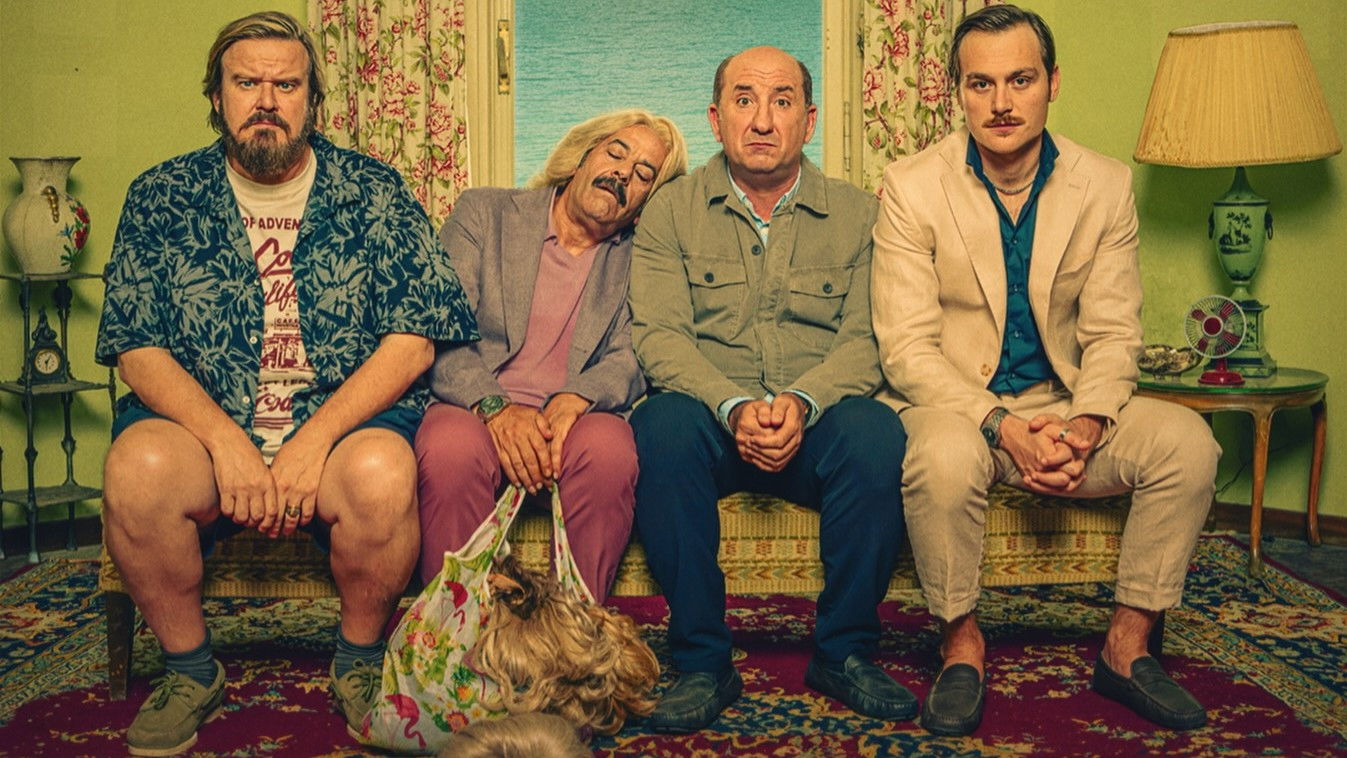
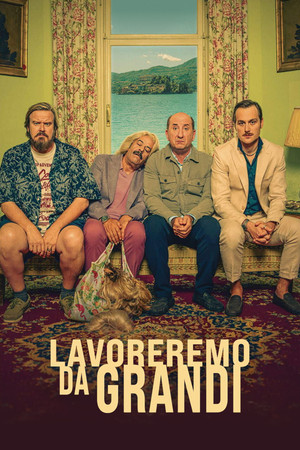


Three friends, Beppe, Umberto, and Gigi, await the arrival of young Toni to celebrate his newfound freedom. After an evening of heavy drinking at the village bar, the car they're about to drive home in hits something. Or rather, someone. Setting off a series of relentless bad decisions, the four flee and take refuge at Umberto's house. It will be a long night of plot twists, paradoxical and ridiculous situations, encounters and clashes between the protagonists and other improbable figures who populate that interminable day. Until the most unimaginable of solutions arrives at first light.
The Summer I Turned Pretty series adapts the beloved trilogy into a bingeworthy TV show and introduces a new generation to Belly, Conrad, and Jeremiah.
"A Drowning Man" (2017) explores the unseen aspects of the Refugee Crisis. In, 15 far-too-short minutes, viewers are given a detailed snapshot of what it's like for a refugee to drown in the waters of poverty and otherness while trying to navigate a land whose promise has worn off, and only 'strange' remains.
A trouble-making teenager spends the summer working at a Southern California beach learning about responsibility.
Lady Bird (Saoirse Ronan) tells her mother (Laurie Metcalf) that she wants to live through something — something that matters.
This documentary moves chronologically through Black representation in horror films, revealing the genre's connections to Black history.
'Sex Education' is one of the most diverse shows I've ever seen! From sexuality to gender identity to race, this show features so many minorities and so many different kinds of relationships!