Escaping Doppelgangers: "Coraline" Serves Up Adventure in a Parallel World
This delightfully odd horror movie presents a whimsically strange alternate reality to younger audiences.

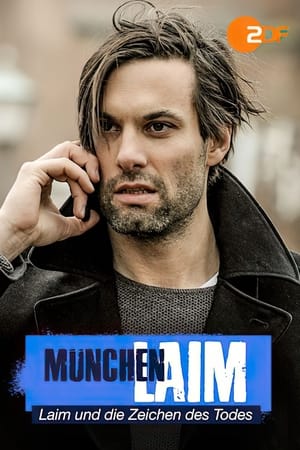


Inspector Lukas Laim has the rope from which a corpse is hanging from the bridge on Prater Island cut. There are strange red marks on its stomach. The dead man is a notary from Grünwald who is well known in the city as a patron of Jewish art. And the marks on his stomach are in Hebrew and mean "retribution". Retribution for what? And why the Hebrew writing? Shortly afterwards, Laim learns of a blackmail letter to his mother, signed with the Hebrew word "Shilem". The blackmailers demand 80,000 euros so that the public does not find out that Laim's grandfather made his fortune in the course of Aryanization.
Michael Schneider
Director


Maximilian Simonischek
Lukas Laim
Lavinia Wilson
Johanna Fischer
Gerhard Wittmann
Anton Simhandl

Katharina Müller-Elmau
Simone Reichenbach
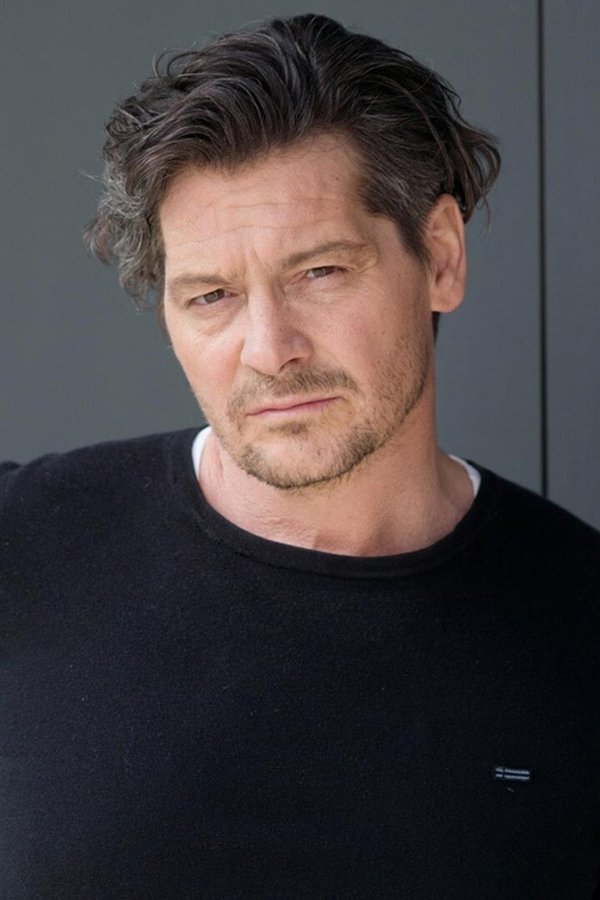
Fritz Karl
Doktor Kammeyer
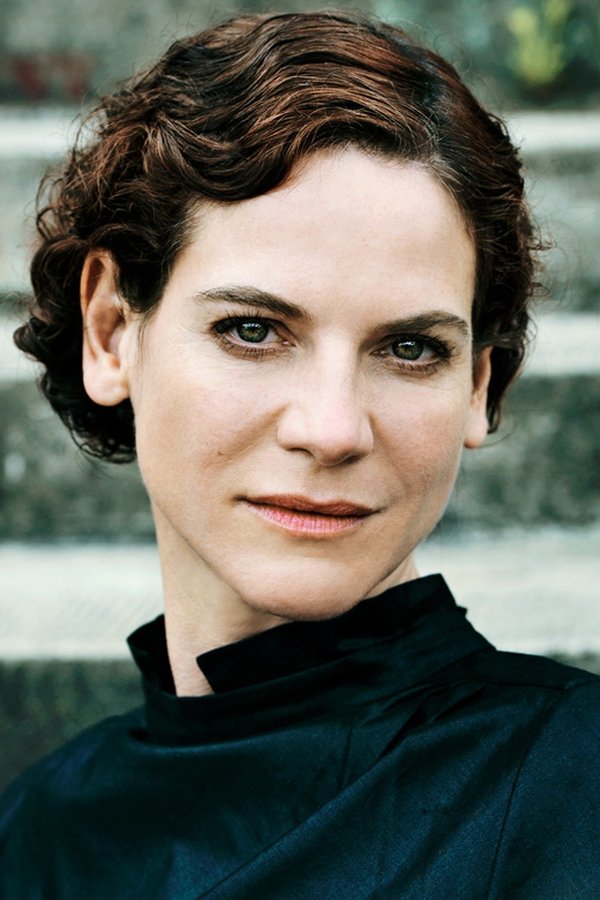
Bibiana Beglau
Lea Adler

Golo Euler
Christian Odenthal (Uriel)

Morgane Ferru
Sonja Stern

Rick Okon
Benjamin Schumacher

Gisela Schneeberger
Marlene Laim
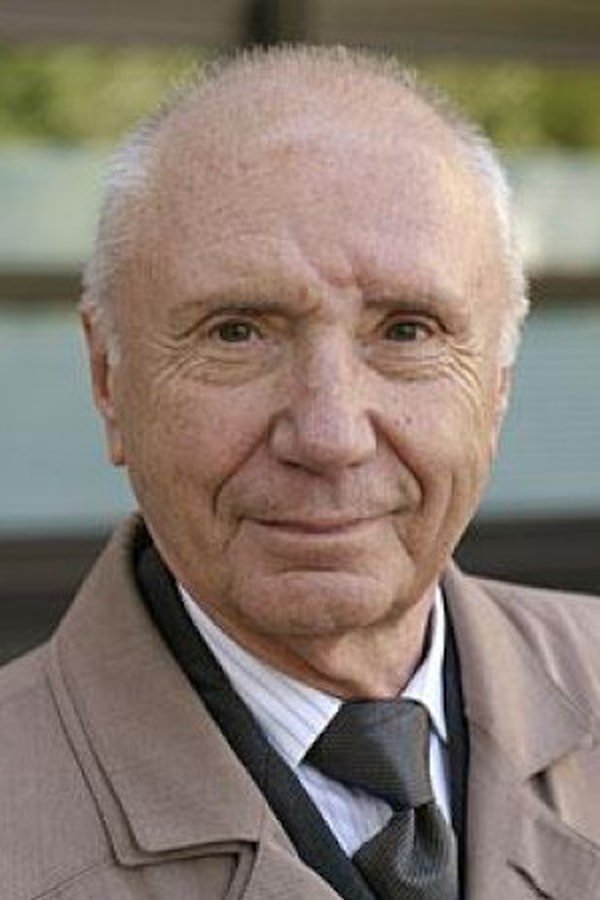
Horst Sachtleben
Egon Odenthal
This delightfully odd horror movie presents a whimsically strange alternate reality to younger audiences.
The makings of a great midseason filler episode that would connect in many different directions. This is a police drama filler with a guest director.
Stevan Lee Mraovitch’s film is a beautiful tribute to family, found family, and the lengths people will go to support their loved ones.
'Don't Lose Your Head' follows the motto of "grades aren't everything."
The Franke kids seemingly lived a normal life, until their mom met the infamous Jodi Hilderbrandt.
For viewers who love eating burgers, shakes and fries on the go along with a tasty side of nostalgia.